
-

Beechams Powders 10 Sachets
Beechams£3.69Relieve headaches and minor aches with Beechams Powders Aspirin & Caffeine 10 Sachets. Each sachet contains a powerful combination of aspirin and caffeine to provide fast and effective relief. Perfect for on-the-go convenience, these sachets are easy... -

Numark Adult Dry Cough Linctus 200ml
Numark£11.59Numark Adult Dry Cough Linctus 200ml is a potent cough syrup designed to relieve dry, irritating coughs in adults. This product is formulated by Numark, a trusted brand in the Cold, Cough & Flu category. The linctus contains active ingredients to... -

Covonia Original Bronchial Balsam Syrup 150ml
Covonia£14.99This product treats the symptoms of a dry cough caused by a cold or bronchitis Suitable for adults, the elderly and children over 12 years Consult doctor first if pregnant or breastfeeding DO NOT USE if you are allergic to any of the... -

Tixylix Toddler Syrup 100ml
Tixylix£3.59Tixylix Toddler Syrup provides relief from dry, tickly coughs. The soothing cough suppressant work instantly, providing effective relief. Pleasant tasting vanilla and blackcurrant flavour Do not use if pregnant or breastfeeding Do not use if under... -

Day Nurse Cold and Flu Relief 20 Capsules
Day Nurse£6.39Paracetamol is a painkiller and reduces your temperature when you have a fever. Pseudoephedrine hydrochloride is a decongestant which opens the airways, helping you breathe more easily. Pholcodine is a cough suppressant that helps relieve dry or tickly... -

Covonia Night Time Formula 150ml
Covonia£12.99This product is a form of treatment that works to reduce the symptoms of cough at night time, to help restore normal sleeping patterns Suitable for adults, the elderly and children over 12 years Consult doctor first if pregnant or... -

Covonia Dry Cough Sugar Free Formula 150ml
Covonia£14.99This product contains pholcodine monohydrate, which reduces the desire to cough, relieving dry coughs which are without phlegm Suitable for adults, the elderly and children over 12 years Consult doctor first if pregnant or breastfeeding DO NOT... -
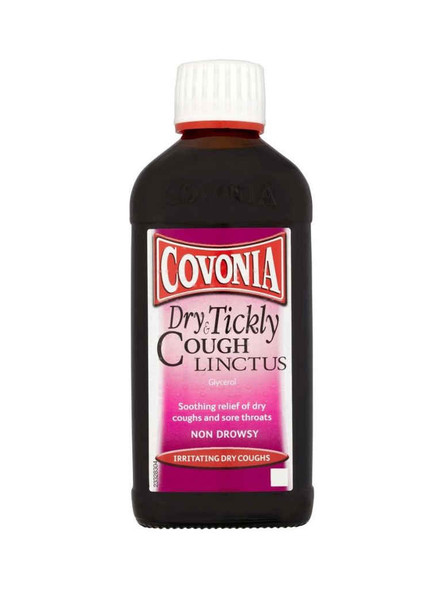
Covonia Dry & Tickly Cough 150ml
Covonia£9.29Covonia Dry & Tickly Cough Linctus provides relief of dry, irritating coughs and sore throats. The glycerol coats your throat, and relieves discomfort Do not use if pregnant or breastfeeding Doesn't cause drowsiness Do not use if under... -

Bronchostop 20 Pastilles
Buttercup£6.89Bronchostop Pastilles help relieve chesty coughs and dry, tickly, irritating coughs and catarrh based on traditional herbal medicinal use only.Do not use if pregnant or breastfeedingDo not use if under 12Please read the Patient Information Leaflet for... -

Bronchostop 40 Pastilles
Buttercup£12.29Bronchostop Pastilles help relieve chesty coughs and dry, tickly, irritating coughs and catarrh based on traditional herbal medicinal use only. Do not use if pregnant or breastfeeding Do not use if under 12 Please read the Patient Information... -

Bronchostop 10 Pastilles
Buttercup£5.09Bronchostop Pastilles help relieve chesty coughs and dry, tickly, irritating coughs and catarrh based on traditional herbal medicinal use only. Do not use if pregnant or breastfeeding Do not use if under 12 Please read the Patient Information... -

Bronchostop Syrup 200ml
Buttercup£14.49Buttercup Bronchostop Cough Syrup helps relieve chesty coughs and dry, tickly, irritating coughs and catarrh based on traditional herbal medicinal use only. Do not use if pregnant or breastfeeding Do not use if under 12 Please read the Patient... -

Bronchostop Cough 240ml
Buttercup£15.59Buttercup Bronchostop Cough Syrup helps relieve chesty coughs and dry, tickly, irritating coughs and catarrh based on traditional herbal medicinal use only. Do not use if pregnant or breastfeeding Do not use if under 12 Please read the Patient... -

Bronchostop Syrup 120ml
Buttercup£11.89Buttercup Bronchostop Cough Syrup helps relieve chesty coughs and dry, tickly, irritating coughs and catarrh based on traditional herbal medicinal use only. Do not use if pregnant or breastfeeding Do not use if under 12 Please read the Patient... -
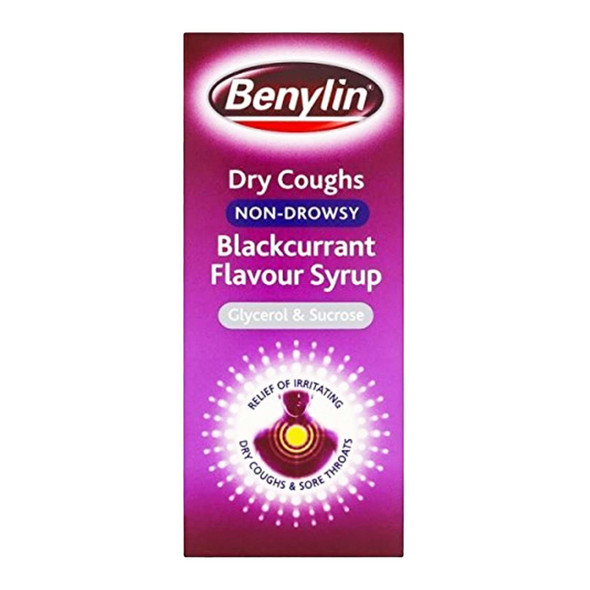
Benylin Dry Cough Blackcurrant Liquid 150ml
Benylin£7.99Benylin® Dry Cough Blackcurrant Liquid provides relief from irritating and dry coughs. Provides quick and effective relief throughout your day. Provides relief of dry and irritating coughs Doen't cause drowsiness Do not use if under... -

Actifed Multi-Action Dry Coughs 100ml
Actifed£9.99Actifed Multi-Action Dry Coughs 100ml is a powerful cough syrup that effectively relieves dry cough symptoms. This product, from the trusted brand Actifed, belongs in the 'Cold, Cough & Flu' category. Its unique multi-action formula helps to soothe...