
Find dependable cold & flu remedies to help manage common symptoms such as a blocked or runny nose, sore throat, headache, aches and a raised temperature. This range brings together trusted pharmacy brands and practical everyday options, making it easy to shop by symptom and the format you prefer.
Choose from cold & flu tablets and capsules (including day and night cold & flu capsules), cold & flu sachets and hot drink powders, soluble/effervescent tablets, plus liquids for adults and children. If you take regular medicines, are pregnant/breastfeeding, or have an ongoing condition, it’s sensible to ask a pharmacist which option is most suitable.
UK based and regulated pharmacy. Fast, free delivery on order over £20, sent Royal Mail in discreet packaging. Pharmacy and pharmacist details are listed on-site, including GPhC registration.
Shop by Cold & Flu type
Popular types of cold & flu products
- All-in-one cold & flu tablets/capsules for multi-symptom support (check if day or night)
- Cold & flu sachets and hot drink powders for a convenient, warming option
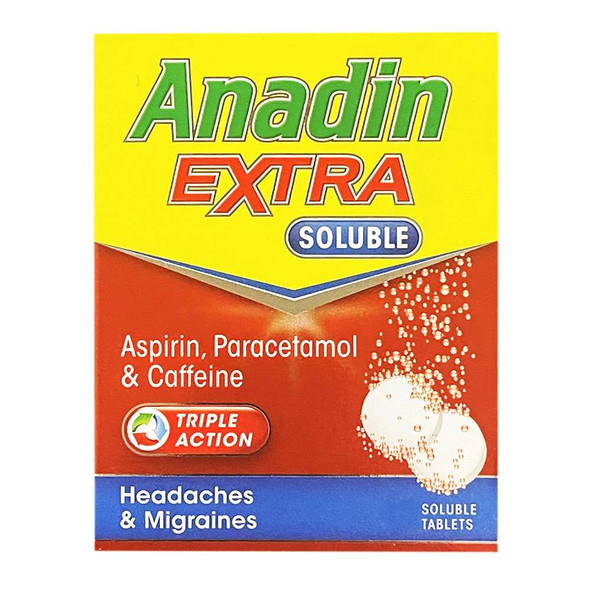
- Soluble cold & flu tablets for easier swallowing and mixing
- Pain and fever relief options for aches, headache and temperature (label-dependent)
- Throat relief formats such as lozenges and sprays (see sore throat options)
How to choose the right option
- Start with your main symptom: congestion, cough type, sore throat, aches or temperature.
- Match cough type accurately: chesty (mucus) vs dry (tickly) products are formulated differently.
- Check active ingredients: many cold & flu remedies include pain relief (often paracetamol), so avoid doubling up.
- Consider day vs night: some products may cause drowsiness; choose the right time-of-day option.
- Review cautions: some ingredients may not be suitable with certain conditions or medicines.
- Follow age and dose instructions: use children’s products only within the stated age band.
FAQs
What cold & flu products are best for multi-symptom relief?
Multi-symptom products are designed to help manage several symptoms at once, such as aches, sore throat and congestion. Check whether the product is intended for daytime or night-time use, and always follow the label instructions.
What’s the difference between day and night cold & flu capsules?
Daytime products are typically designed to support you while staying alert, while night-time options may include ingredients that can cause drowsiness. Always check the active ingredients and cautions, and use night products only as directed.
Can I take cold & flu remedies with paracetamol or ibuprofen?
Many cold & flu remedies already contain pain relief (often paracetamol). Always check the active ingredients and avoid taking two medicines with the same ingredient. If you’re unsure what can be combined, ask a pharmacist for advice.
What should I choose for a blocked nose and sinus pressure?
Some cold & flu remedies include ingredients aimed at easing congestion, while others focus on pain and fever. Read cautions carefully, and speak to a pharmacist before using decongestant products if you have high blood pressure, heart problems, are pregnant, or take regular medicines.
What’s the difference between a chesty cough and a dry cough?
A chesty cough usually brings up mucus, while a dry cough is more tickly and doesn’t produce phlegm. Choose a product that matches your cough type and follow the guidance on how long to use it.
Are there cold & flu options suitable for children?
Yes—use products specifically labelled for children and stick to the stated age band and dose. If a child is very unwell, symptoms worsen, or you’re unsure what’s appropriate, speak to a pharmacist or GP.
When should I seek medical advice?
Seek advice if symptoms are severe, worsening, or not improving after a few days. Get urgent help for breathing difficulties, chest pain, signs of dehydration, a very high or persistent temperature, or if you’re worried about a rapidly worsening illness.
Safety notice: Cold & flu medicines can help relieve symptoms but won’t cure viral infections. Always read the patient information leaflet and follow dosing instructions. If symptoms persist, you have underlying conditions, are pregnant/breastfeeding, or take other medicines, speak to a pharmacist or GP for personalised advice.