Shop Baby Care essentials for everyday comfort, hygiene and feeding support—selected by a UK based and regulated pharmacy. This category brings together trusted, practical products for babies and young children, including teething gels, nappy rash and barrier creams, gentle baby wipes, nasal care aids (such as aspirators), and infant and toddler milks. Whether you’re setting up a newborn changing kit, topping up the nursery cupboard, or packing a changing bag for days out, you can quickly compare formats, pack sizes and age suitability to find what fits your routine.
Orders are sent in discreet packaging, with fast, free delivery on orders over £20. If you’re stocking up across the home, you can browse the wider Essentials range too. Always read the label and follow age guidance and directions, especially for products used in very young babies and for infant feeding.
Shop by Baby Care type
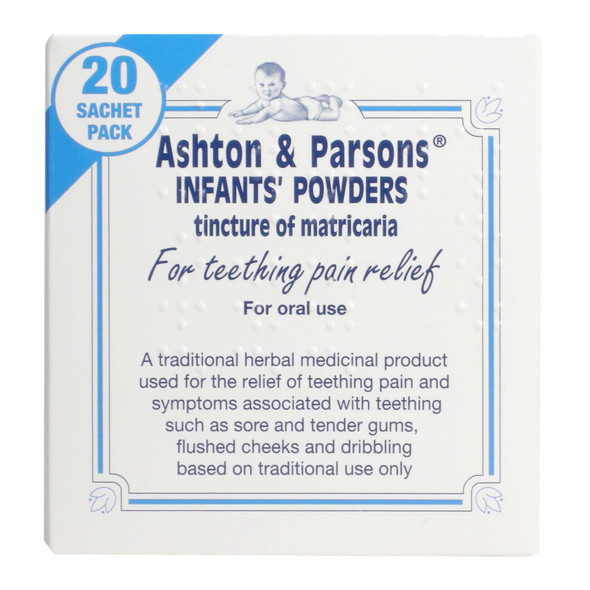
- Teething relief gels
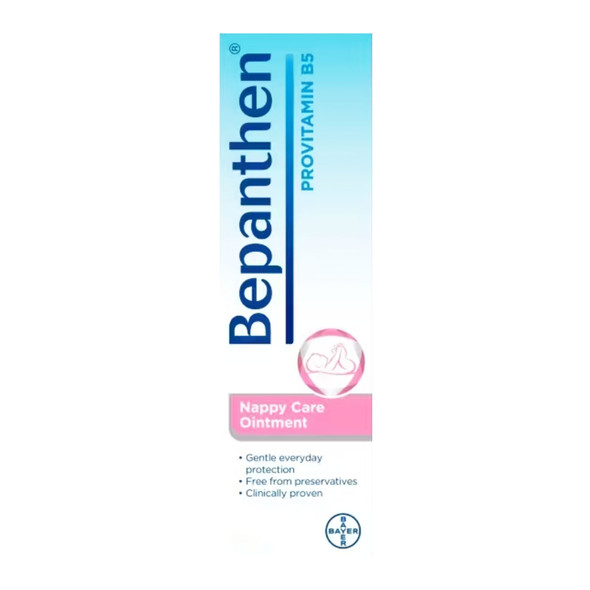
- Nappy rash and barrier creams
- Baby wipes (everyday and gentle options)
- Baby nasal care (aspirators and congestion support)
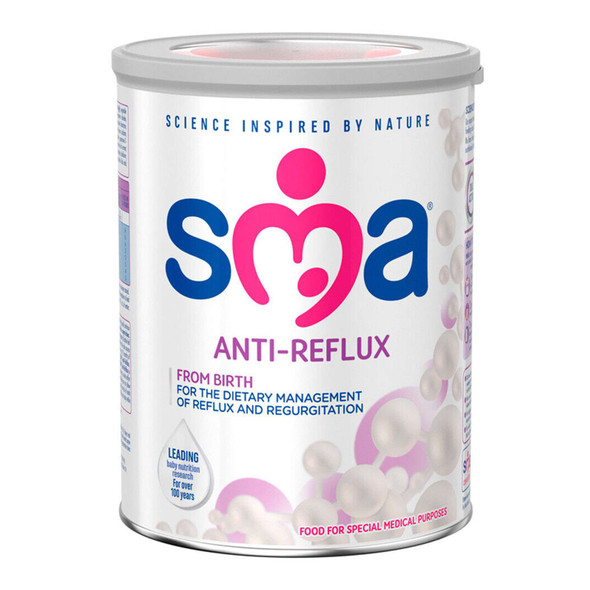
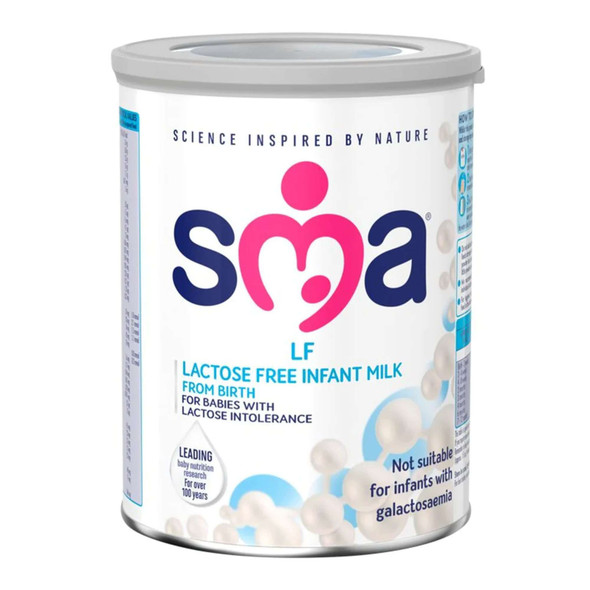
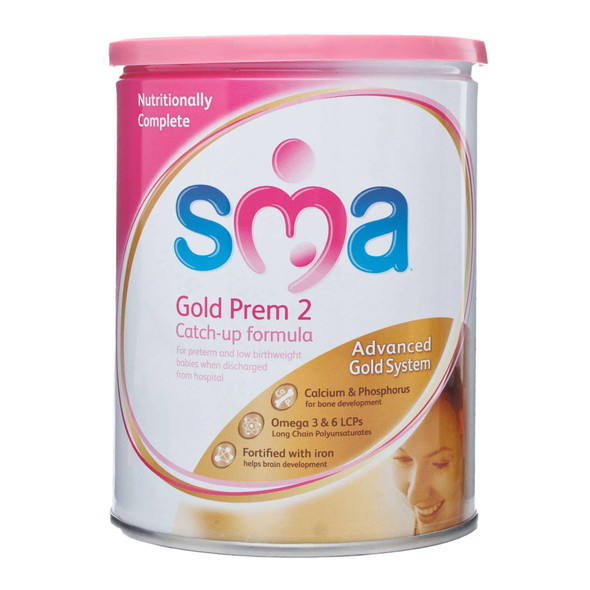
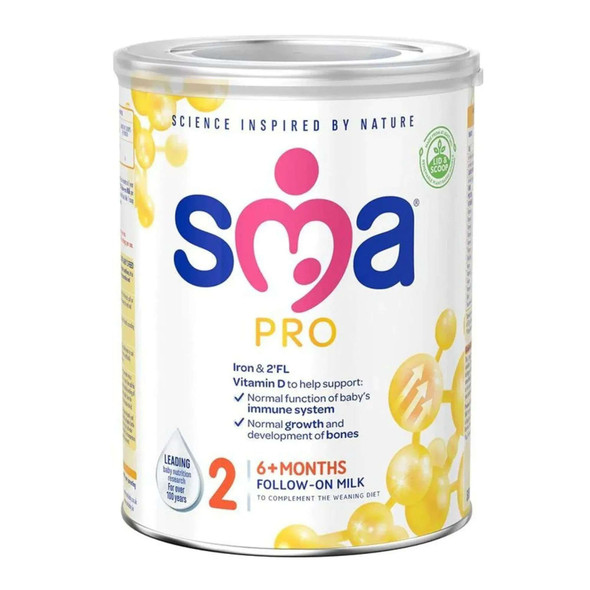
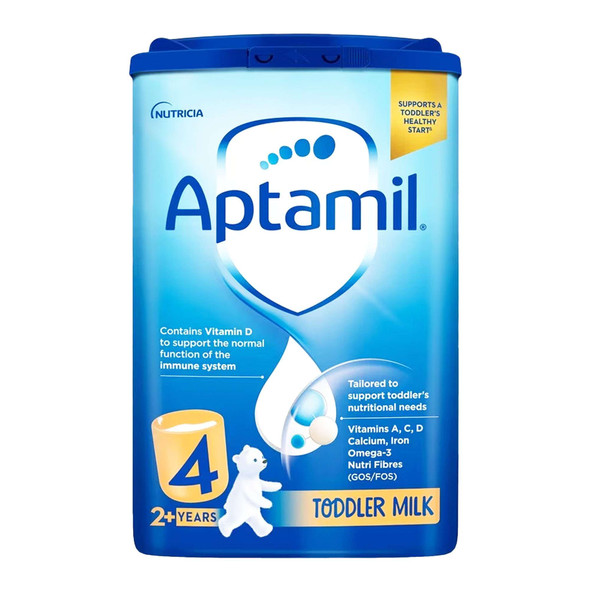
- Infant and toddler milk (from birth to 3 years, including specialist options)
Popular types of baby care products
- Teething relief: gels designed for short-term soothing when used as directed and suitable for age.
- Nappy rash care: barrier creams and protective ointments that help reduce irritation from moisture and friction.
- Baby wipes: handy for nappy changes and on-the-go clean-ups; many parents choose gentler options for delicate skin.
- Nasal care: baby-appropriate aspirators and supportive products to help manage a blocked nose.
- Infant & toddler milks: age-stage and selected specialist formulas; preparation instructions must be followed carefully.
How to choose the right option
- Start with the need: teething discomfort, nappy rash, a blocked nose and feeding support each call for different products.
- Check age suitability first: confirm minimum age, directions and any warnings before use.
- Go gentle for sensitive skin: if your baby is prone to irritation, consider milder wipes and a protective barrier cream.
- Choose the right format and size: smaller packs are useful for changing bags; larger packs can suit everyday home use.
- Be cautious with formula choices: if you’re considering a specialist milk (for example for reflux or intolerance concerns), ask a pharmacist, GP or health visitor before changing.
- Use safely every time: for infant milks, follow sterilising, measuring, mixing, storage and discard guidance on the pack.
Quick links: common needs
FAQs
Which baby care essentials are most useful to keep at home?
Many families keep a barrier cream for nappy changes, baby wipes for quick clean-ups, a teething gel suitable for age, and a nasal care aid for blocked-nose days. If you use infant or toddler milk, keeping a spare pack can help avoid running out.
What should I look for in baby wipes for sensitive skin?
Choose wipes that are suitable for babies and described as gentle, and avoid anything that seems to irritate your child’s skin. If your baby is eczema-prone or very reactive, introduce a new wipe gradually and stop using it if irritation occurs.
How can I help prevent or manage nappy rash?
Frequent nappy changes, gentle cleansing and keeping the area dry can help. A barrier cream may protect against moisture and friction. If the rash is severe, persistent, weeping, bleeding, or looks infected, seek advice from a pharmacist or GP.
Are teething gels suitable for all babies?
No—always check the minimum age and directions on the label. Use only as instructed and avoid using more often than recommended. If your baby is very young or you’re worried about symptoms, ask a pharmacist or GP for guidance.
How can I support a blocked nose safely in babies?
Use baby-appropriate nasal care products as directed, such as an aspirator or supportive congestion products designed for infants. Seek urgent medical advice if your baby is struggling to breathe, has a high fever, is unusually sleepy, has signs of dehydration, or is feeding poorly.
How do I choose the right infant or toddler milk?
Select an option that matches your child’s age stage, and prepare it exactly according to the label. If you’re considering a specialist formula, or if your baby has reflux, allergy concerns or feeding difficulties, speak to a pharmacist, GP or health visitor before changing.
Important: This page provides general information and does not replace professional medical advice. Always read and follow product labels and age guidance. If symptoms persist, your baby seems unwell, or you have concerns about feeding or skin irritation, contact a pharmacist, health visitor or GP.