Explore deodorants and antiperspirants from withaid, a UK-based regulated pharmacy, with everyday odour protection plus stronger antiperspirants often chosen for heavier sweating. This category includes popular formats like sprays (aerosols), roll-ons and sticks, alongside gentler fragrance-free and sensitive-skin options. If you’re also trying to minimise white marks on clothing, look for low-residue or “invisible” styles and allow the product to dry fully before dressing.
To choose the right option, start with your goal: deodorants are designed for odour control, while antiperspirants are made to reduce wetness as well. Compare format, fragrance level and directions on the product page—especially for higher-strength options where timing and frequency can differ. Orders are sent in discreet packaging via Royal Mail, and delivery is free on orders over £20.
Shop by deodorants type
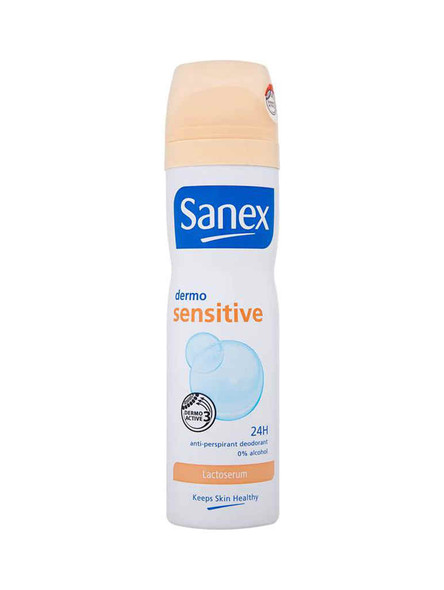
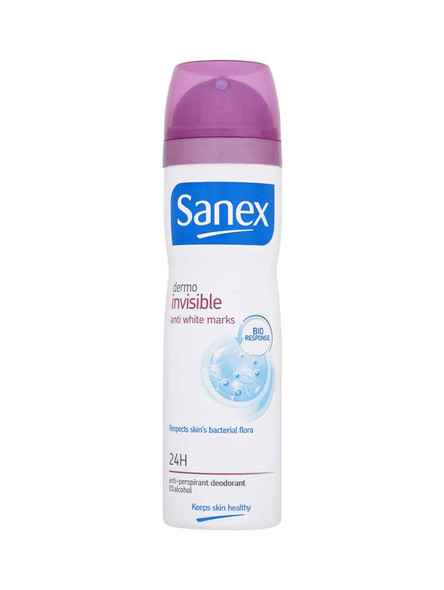
- Deodorant sprays (aerosols): quick-drying, even coverage
- Roll-on deodorants: precise application with a clean feel
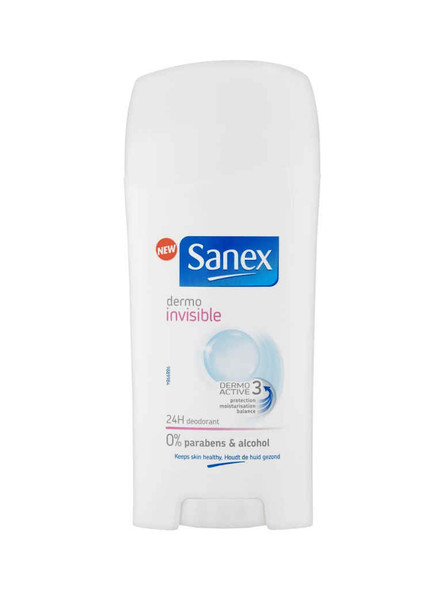
- Deodorant sticks: portable and convenient for everyday use
- Sensitive & fragrance-free options: gentler choices for delicate underarm skin
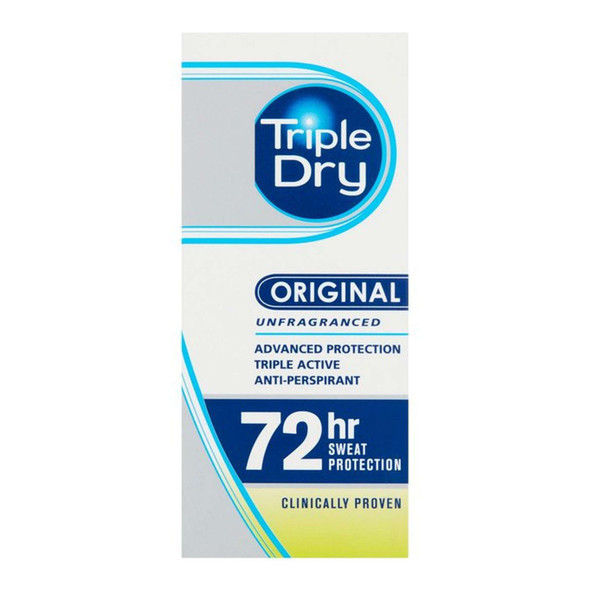
- Clinical-strength antiperspirants: stronger wetness control for heavier sweating
Popular types of deodorants
- Everyday deodorants: reliable odour protection for daily routines
- Antiperspirant sprays: a drier feel with added wetness control
- Roll-on antiperspirants: targeted coverage for comfort
- Invisible / low-residue options: designed to help reduce marks on clothing
- Fragrance-free choices: ideal for scent-sensitive routines
How to choose the right option
- Odour vs wetness: choose deodorant for odour control, or antiperspirant if you also want wetness reduction.
- Pick a format you’ll use consistently: sprays for speed, roll-ons for precision, sticks for on-the-go convenience.
- Think about skin comfort: if you’re prone to irritation, consider fragrance-free or sensitive options and avoid applying to broken skin.
- Follow directions for stronger options: some higher-strength antiperspirants are best applied to dry skin and may be used less often.
- Minimise residue: apply sparingly and let it dry before dressing; consider “invisible” formulas for dark fabrics.
Quick links: common needs
FAQs
What’s the difference between deodorant and antiperspirant?
Deodorants help manage body odour. Antiperspirants are designed to reduce sweating as well as odour. Some products combine both—check the label and product details.
Which format is best: spray, roll-on, or stick?
Sprays are quick and dry fast, roll-ons give targeted coverage, and sticks are easy to carry and apply. The best choice is the one you’ll use consistently.
Are fragrance-free options better for sensitive underarms?
They can be a good choice if you’re scent-sensitive or prone to irritation. Avoid applying to broken or freshly shaved skin, and stop use if you experience persistent stinging or redness.
How do I use a stronger or clinical-strength antiperspirant safely?
Follow the pack directions closely. Some stronger options are applied less frequently and may work best when applied to clean, completely dry skin. If you’re unsure which product is suitable, ask a pharmacist for advice.
How can I reduce white marks or residue on clothing?
Choose low-residue or “invisible” formulas, apply sparingly, and allow the product to dry fully before dressing. Washing underarm areas promptly can also help reduce build-up.
When should I speak to a pharmacist or GP about sweating or odour changes?
If sweating or odour changes are new, persistent, worsening, or affecting daily life, it’s sensible to seek advice. A pharmacist can guide you on suitable options and when to seek further support.
Safety note: For external use only. Always read the label and use products as directed. Do not apply to broken or irritated skin. If irritation persists, or if you have ongoing concerns about sweating, speak to a pharmacist or GP.