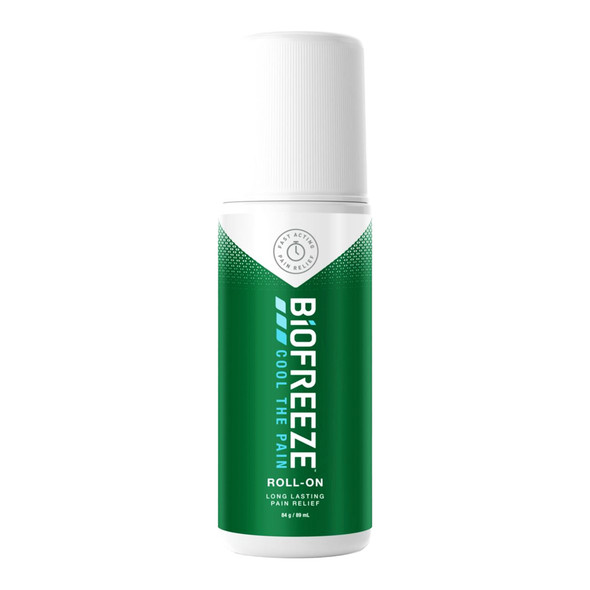
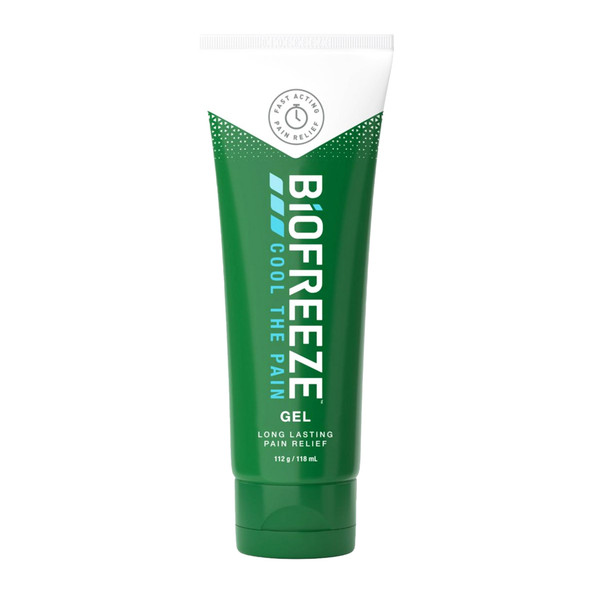
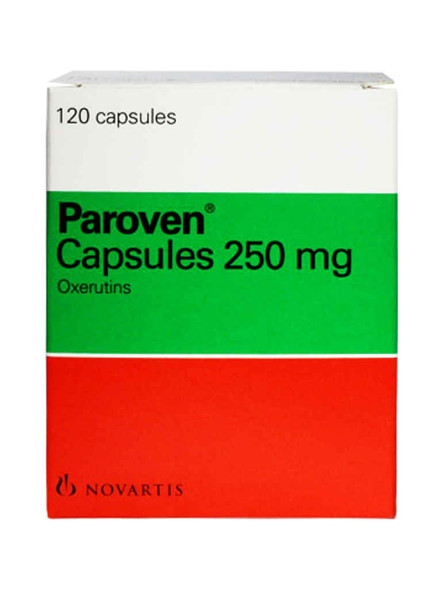
Aching legs can feel like dull heaviness after standing or walking, soreness after exercise, or cramps that are worse at night. This category brings together products stocked in this range that people commonly choose for tired, aching legs—such as cooling gels, rub-in gels and creams, a pain relief spray for quick application, and a roll-on for targeted, mess-free use. You may also see a licensed capsule option included in this range for specific symptoms where appropriate.
As a UK based and regulated pharmacy, we recommend choosing first by your main symptom and the format you’ll use correctly. Always read the label and follow directions, especially if you take regular medicines or have a long-term condition. If you’re unsure what’s suitable, our pharmacy team can advise. Seek medical advice promptly if symptoms are persistent, getting worse, or mainly affect one leg—particularly with swelling, heat, redness, numbness, weakness, chest pain or breathing difficulty.
Shop by aching legs type
Popular types of products
- Cooling gels for a cooling sensation on tired, heavy or aching legs
- Topical pain sprays for quick, no-touch application
- Roll-ons for precise, on-the-go application
- Rub-in gels and creams for massage-style local application
- Licensed capsules included in this range for specific symptoms where suitable (read the patient leaflet and ask a pharmacist if unsure)
How to choose the right option
- Start with your main symptom: soreness after activity, heaviness/tiredness, or night cramps may need different approaches.
- Choose a format that fits your routine: gel/cream to rub in, spray for convenience, roll-on for targeted areas.
- Check suitability and warnings: look for age guidance, pregnancy/breastfeeding advice, and skin-use instructions.
- Avoid ingredient overlap: don’t double up on similar medicines across multiple products unless the label says it’s appropriate.
- Be mindful of interactions: if you take regular medicines (including blood thinners) or have long-term conditions, ask a pharmacist before buying.
- Support comfort with simple self-care: where appropriate, consider gentle stretching, regular movement breaks and hydration alongside product use.
Quick links: common needs
FAQs
What can I buy for aching legs?
Many people choose topical options such as cooling gels, rub-in creams, sprays or roll-ons so they can apply product directly to the area that feels sore or tired. Some ranges may also include licensed oral options for specific symptoms where suitable. Always follow the label directions and warnings.
Are gels, sprays and roll-ons interchangeable?
They can be used for similar goals, but the format affects how you apply them. Gels and creams are typically rubbed in, sprays can help if touching the area is uncomfortable, and roll-ons are neat for quick, localised use. Check how often to use and where to apply on the packaging.
What if my legs ache or cramp at night?
Night-time aching or cramps can be linked to factors like activity levels, hydration and stretching habits. Gentle stretching before bed may help some people. If night symptoms are frequent, severe or affecting sleep, speak to a pharmacist or GP to rule out an underlying cause.
Can I use a topical product and take pain relief tablets together?
Sometimes, but it depends on the active ingredients and your personal circumstances. Avoid using more than one product with similar medicines, and be cautious if you take regular prescriptions or have long-term conditions. A pharmacist can help you choose a safe combination.
What should I do about heavy legs and ankle swelling?
Swelling after a long day can happen, but persistent, worsening or one-sided swelling should be assessed. Some licensed products may be included in this range for specific vein-related symptoms where suitable—read the patient leaflet carefully and ask a pharmacist if you’re unsure what’s appropriate for you.
Could aching in one leg be serious?
Aching can have many causes, but get urgent medical help if you have sudden one-sided swelling, warmth, redness or tenderness in the calf or leg, or if you also have chest pain or breathing difficulty. These symptoms need prompt assessment.
When should I seek medical advice for aching legs?
Speak to a healthcare professional if symptoms are severe, unusual, getting worse, or not improving. It’s especially important to get advice if pain follows an injury, you notice numbness/weakness, or symptoms are mainly in one leg.
Important: This page is for general guidance and does not replace medical advice, diagnosis or treatment. Always read the label and any patient information leaflet and use products as directed. If you are pregnant or breastfeeding, buying for a child, taking regular medicines, or symptoms persist or worsen, speak to a pharmacist, GP, or contact NHS 111. In an emergency, call 999.