Browse arthritis support products from WithAid, a UK based and regulated online pharmacy. Arthritis can describe more than one condition (including osteoarthritis and inflammatory types), so the right approach depends on your symptoms, medical history and any medicines you take. This category brings together over-the-counter options people commonly consider for short-term relief of aches and pains that may be associated with arthritis, alongside topical products applied directly to muscles and joints. Some medicines sold online may require additional suitability checks to confirm suitability, and you may be asked a few questions at checkout.
Many shoppers compare by format first—tablets, capsules or soluble tablets for broader aches, or gels, creams and roll-ons for localised discomfort. Filter by active ingredient, strength and pack size, and always follow label directions and maximum daily doses.
Shop by arthritis support type
Popular types of products
- Ibuprofen tablets (200mg or 400mg) for short-term relief of pain where suitable
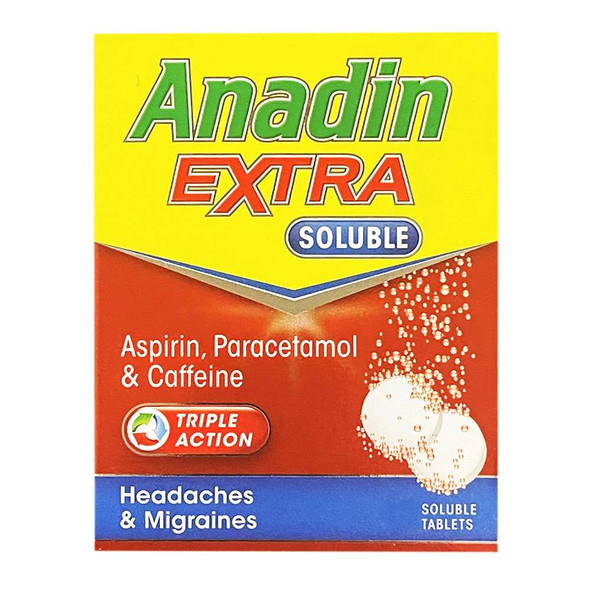
- Soluble pain relief tablets as a drinkable alternative to standard tablets
- Combination pain relief tablets (some stronger options may be Pharmacy Medicines with additional suitability checks)
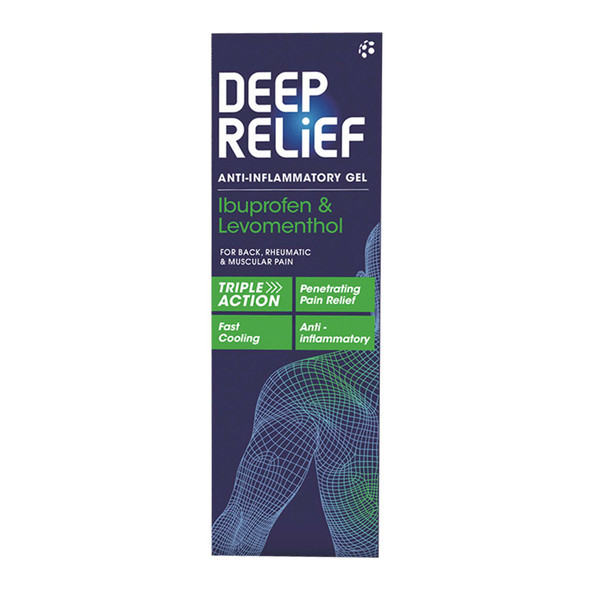
- Topical anti-inflammatory gels for local application to muscles and joints
- Cooling gels and roll-ons for a topical, easy-apply format
How to choose the right option
- Match the symptom and location: localised discomfort may suit a topical gel/cream/roll-on; more general aches may suit an oral option if appropriate.
- Check the active ingredient: avoid doubling up on the same ingredient across different products (for example, paracetamol can appear in some combination products).
- Consider suitability for anti-inflammatories: ibuprofen and other NSAIDs may not be suitable if you have a history of stomach ulcers/bleeding, kidney disease, uncontrolled high blood pressure, certain heart conditions, or aspirin-sensitive asthma.
- Watch for interactions: speak to a pharmacist if you take blood thinners, steroids, SSRIs, lithium, methotrexate, diuretics, or regular prescription medicines.
- Use topical products safely: follow age guidance, avoid broken or irritated skin, wash hands after use, and do not exceed the stated application frequency.
- Use the lowest effective dose for the shortest time: follow pack directions and maximum daily doses, and seek advice if symptoms persist or worsen.
Quick links: common needs
FAQs
What can I buy online for arthritis pain relief?
This category includes over-the-counter options commonly used for short-term relief of aches and pains that may be associated with arthritis, including topical products (gels, creams and roll-ons) and oral pain relief (tablets, capsules or soluble options). Always check the label for suitability and follow directions.
Is ibuprofen suitable for everyone with arthritis?
No. Ibuprofen (and other anti-inflammatories) may not be suitable for everyone, especially if you have certain stomach, kidney, heart or asthma-related conditions, or if you take particular medicines. If you’re unsure, ask a pharmacist before choosing an NSAID.
Topical gels vs tablets: which is better for arthritis symptoms?
It depends on your symptoms and what’s suitable for you. Topical products are often chosen for localised areas because they’re applied directly to the affected region. Oral pain relief may be considered for more general aches, but suitability varies and labels differ. A pharmacist can help you compare options based on your medicines and health conditions.
Can I use a topical anti-inflammatory and take pain relief tablets at the same time?
Sometimes, but it depends on the ingredients. Avoid using more than one NSAID product unless the label says it’s appropriate. Check the label and ask a pharmacist if you want to combine products.
How do I avoid taking too much of the same painkiller?
Check the active ingredient on every product you take and avoid taking two medicines with the same ingredient at the same time. For example, paracetamol is included in some cold & flu remedies and combination pain relief tablets. If you’re unsure, ask a pharmacist.
How long can I use arthritis pain relief products for?
Follow the pack directions and do not use for longer than the label recommends without advice. If you need pain relief beyond short-term use, symptoms are not improving, or you have frequent flare-ups, speak to a pharmacist or arrange GP advice to discuss safer longer-term management.
When should I see a pharmacist or GP about joint pain or suspected arthritis?
Speak to a pharmacist if you take regular prescription medicines, have long-term conditions, are pregnant or breastfeeding, or if pain is frequent, worsening, or not improving with short-term self-care. Arrange GP advice if symptoms are new, getting worse, affecting daily life, or not improving. Seek urgent help if a joint becomes suddenly hot, very swollen and painful, you feel unwell with fever, you cannot bear weight after an injury, or you have symptoms you’re worried about.
Safety note: This page is for general guidance only and does not replace medical advice, diagnosis or treatment. Always read the label and follow directions. Do not exceed stated doses. If you are pregnant or breastfeeding, buying for a child, taking other medicines, or managing a long-term condition, speak to a pharmacist or GP before choosing a product. Seek urgent medical help if you feel seriously unwell, have breathing difficulty, chest pain, signs of a severe allergic reaction, sudden severe symptoms, or you’re concerned about your condition. You can also get urgent advice from NHS 111.