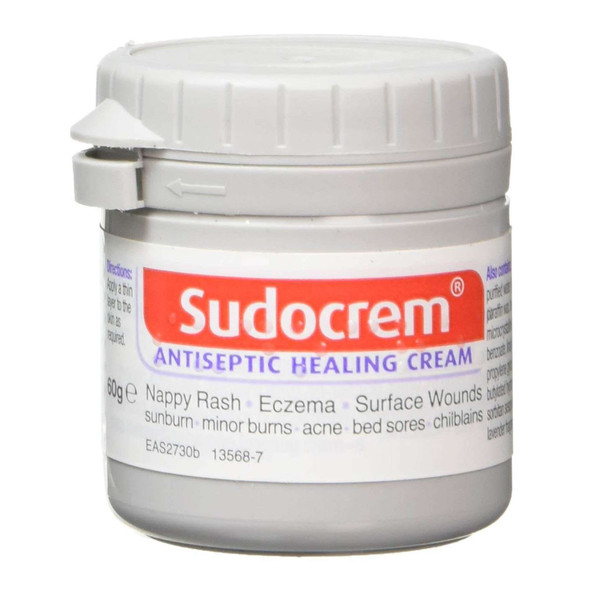
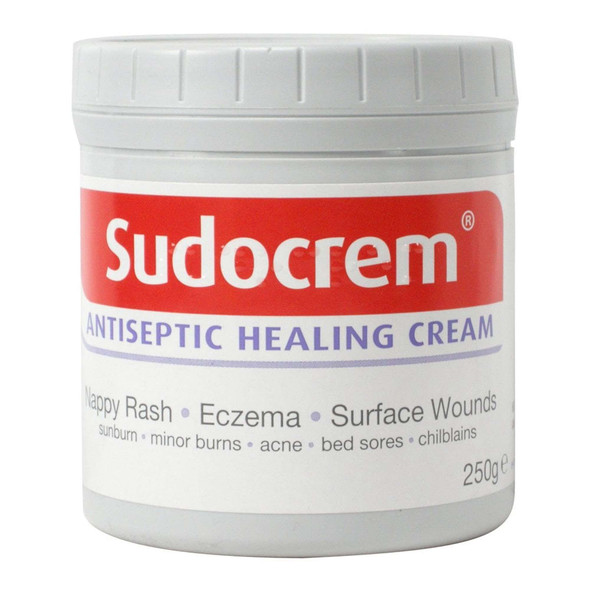
Bed sores (also called pressure ulcers) can develop when skin is under pressure for long periods, often over bony areas such as heels, hips, the tailbone, elbows or shoulders. This Bed Sores category brings together practical UK pharmacy essentials people commonly choose to support a simple at-home skin care routine for those at risk, including barrier creams and ointments to help protect fragile skin from moisture and friction, plus formats used to support everyday skin hygiene.
If you’re caring for someone with reduced mobility, priorities are usually prevention and early action: reduce pressure where possible, check skin daily, and keep skin clean and dry. Choose a format you can apply comfortably and consistently (cream, ointment, spray or gel), and always read the label and use as directed. If you’d like help choosing, our pharmacy team can advise.
Shop by Bed Sores type
Popular types of products
- Barrier creams: often chosen to help protect skin from moisture and friction as part of daily care.
- Barrier ointments: thicker options many people prefer for longer-lasting barrier protection.
- Antiseptic creams: used for general skin care in line with the product directions.
- Barrier spray lotion: a convenient, easy-apply format for routine protection where suitable.
- Gels and cleansing solutions: formats used to support comfort and hygiene, following label guidance.
How to choose the right option
- Start with prevention: reposition regularly, reduce pressure, and check skin daily for early changes.
- Pick a format you can use consistently: creams spread easily, ointments are thicker, sprays can be quicker for regular application.
- Match to the main need: barrier protection for moisture/friction, plus hygiene support where appropriate.
- Be cautious with sensitive or fragile skin: stop use if stinging, rash or irritation occurs and seek advice from a pharmacist.
- Use as directed: avoid combining multiple products with overlapping ingredients unless you’ve had professional advice.
- Extra caution with cleansing solutions: not suitable for all skin situations (especially broken skin) and can be irritating; check directions carefully and seek advice if unsure.
Quick links: common needs
FAQs
What are bed sores (pressure ulcers)?
Bed sores are areas of skin damage linked to prolonged pressure, often over bony parts of the body. Early signs can include soreness, discolouration, or skin that feels warmer or firmer than surrounding areas.
Which products are commonly used to support a bed sore care routine?
Many people choose barrier creams, ointments or spray formats to help protect vulnerable skin from moisture and friction, alongside hygiene and cleansing products. If you’re unsure what’s suitable, a pharmacist can advise based on the person’s needs.
Cream vs ointment: which is better for fragile skin?
Barrier creams are usually easier to spread and may suit wider areas. Barrier ointments are thicker and may stay on the skin longer. The best choice is typically the one you can use comfortably and consistently, following the product directions.
Which pack size should I buy for ongoing care?
If you’re applying a product regularly as part of day-to-day care, a larger pack can be more convenient. Choose the size that matches how often you use it, and follow the label directions.
How often should I reapply a barrier cream or ointment?
Reapply according to the product label directions and your care routine. If you’re unsure how often to use a product, ask a pharmacist for advice.
What should I avoid putting on broken skin?
If skin is broken, very painful, or you suspect infection, avoid self-treating and seek advice from a GP, district nurse, or pharmacist. Use only products that are specifically indicated for that use and follow the label directions.
When should I seek medical advice for a pressure sore?
Seek prompt medical advice if the skin is broken, the area is getting worse, or there are signs of infection such as heat, swelling, discharge, odour, increasing pain, or fever. People with diabetes, poor circulation, or reduced sensation should seek advice early.
Safety information: This content is for general information and does not replace medical advice. Pressure ulcers can become serious and may need assessment by a GP, district nurse, or tissue viability service. Always read the label and use products as directed. If you’re worried about worsening symptoms, broken skin, or infection, seek professional advice urgently.