Looking for blepharitis treatment and everyday eyelid care? This category brings together practical products that can support a simple eyelid hygiene routine when you’re dealing with sore, itchy, red eyelids, crusting at the lash line, or a gritty “something in my eye” feeling. Blepharitis symptoms can flare up and settle down, so many people focus on consistent lid care alongside comfort measures.
UK guidance commonly recommends regular eyelid cleaning and warm compresses as part of self-care for blepharitis. A straightforward routine is often: warm compress to loosen debris, gentle lid cleaning along the lash line, then (only if needed and indicated) eye drops as directed. If symptoms aren’t improving after a short period of self-care, or they worsen, it’s best to seek advice from a pharmacist, optometrist or GP. Always follow the patient leaflet and check suitability if you wear contact lenses or have an existing eye condition.
Shop this blepharitis range
Popular types of blepharitis products
- Eyelid cleansing lotions to support daily cleaning of the lid margins and lash line
- Eyelid cleansing kits (lotion plus pads) for a ready-to-use routine at home or when travelling
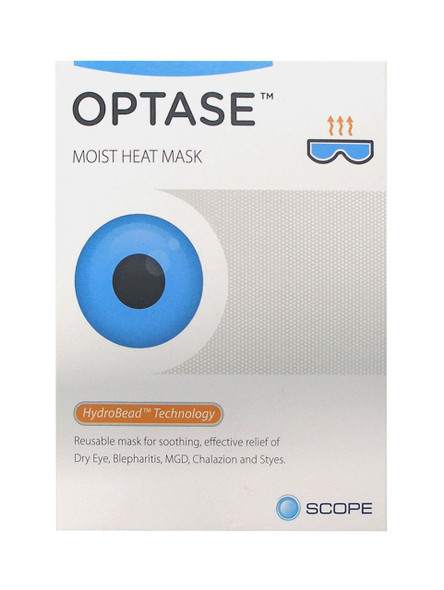
- Warm compress masks to provide gentle heat for comfort as part of eyelid hygiene
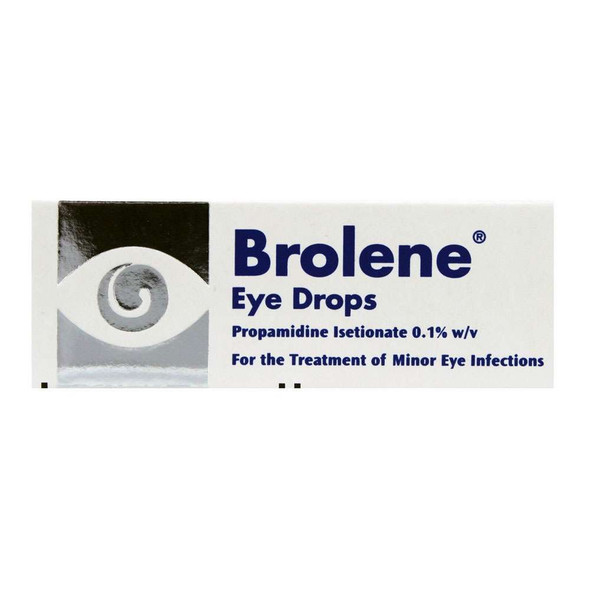
- Antiseptic/disinfectant eye drops for minor eye or eyelid infection only where appropriate to your symptoms and the leaflet
How to choose the right option
- If you have crusting or flakes: prioritise daily eyelid cleansing to remove debris from the lash line.
- If your eyelids feel sore or tight: add a warm compress first, then cleanse soon after while debris is softened.
- If you have ongoing flare-ups: choose options you can use consistently and review your routine with a pharmacist or optometrist.
- If you’re considering antiseptic/disinfectant drops: check the indication carefully and use only as directed in the leaflet.
- If you wear contact lenses: follow pack instructions about lens removal and timings before reinserting.
- If anything feels severe or different: seek professional advice promptly, especially with pain, light sensitivity, or vision changes.
FAQs
What is blepharitis?
Blepharitis is inflammation of the eyelids, usually along the lid margins where the eyelashes grow. Symptoms can include sore or itchy eyelids, crusts or flakes at the lash line, and a gritty sensation in the eyes.
What’s usually recommended for blepharitis self-care?
Many people start with regular eyelid hygiene and warm compresses to keep the lid margins clean and support comfort. If you’re unsure which products are appropriate for your symptoms, a pharmacist or optometrist can advise.
Which product type is best for crusty eyelids?
Crusting at the lash line is commonly managed with a consistent eyelid cleansing routine. Many people choose an eyelid cleansing lotion such as Blephasol eyelid cleansing lotion or a kit like Blephasol Duo, and use a warm compress first to help soften debris before cleaning.
How do I use a warm compress mask for blepharitis?
Follow the product instructions carefully. Many people use a warm compress first, then gently clean the eyelid margins afterwards. If you’re choosing a reusable option, see Optase moist heat warm compress mask and always use as directed.
Can I use eyelid hygiene products alongside prescribed eye treatment?
Often yes, but it depends on your prescribed treatment and your symptoms. Check the patient information leaflet for both products and ask a pharmacist, optometrist or prescriber if you’re unsure, especially if you have a diagnosed eye condition or you’re using medicated eye drops or ointments.
How do I use eyelid cleansing products?
Follow the instructions on the product label and patient leaflet. In general, wash your hands first, apply the cleansing product as directed, and gently clean along the lash line without rubbing harshly. Avoid sharing eyelid products with others.
Do I need eye drops for blepharitis?
Not always. Some people only need eyelid hygiene and warm compresses. Eye drops may be appropriate in certain situations, such as minor eye or eyelid infection where a product is indicated. If symptoms persist, worsen, or you’re unsure, seek advice before treating.
Can I use these products if I wear contact lenses?
Some eye and eyelid products advise removing contact lenses and waiting before reinserting, while others may be compatible. Always check the pack guidance and leaflet, and ask for advice if you’re not sure.
When should I seek urgent help?
Get urgent advice if you have eye pain, changes in vision (such as blurred vision or vision loss), marked redness, significant swelling around the eye, or light sensitivity. If symptoms do not improve or get worse despite self-care, speak to a pharmacist, optometrist, GP, or NHS 111 as appropriate.
Important: This information supports safe product choice and eyelid hygiene, but it does not diagnose or replace medical advice. Always read the patient leaflet and use products only as directed. If you have persistent symptoms, severe discomfort, injury, or any vision changes, seek prompt advice from a pharmacist, optometrist, GP, or NHS 111.