Need blister plasters that cushion sore skin and help stop rubbing getting worse? This Blister range is built around the most common UK needs for toes, heels and underfoot, with hydrocolloid-style blister plasters, friction prevention and first-aid antiseptic options. Blisters are usually caused by repeated friction, heat and moisture (often from new shoes, long walks or sport), so the right choice is the one that protects the area, reduces further rubbing and stays in place through your day.
Shop shaped blister plasters for toes and underfoot, medium options for heels and wider rubbing points, plus an anti-blister stick for prevention. You’ll also find antiseptic creams and disinfectant liquid for minor wound hygiene where appropriate. Choose by location, pressure and activity level, and always follow the pack instructions. withaid is a UK based and regulated pharmacy, offering discreet delivery and clear product information to help you buy with confidence.
Shop by blister type
Popular types of blister products
- Hydrocolloid blister plasters to cushion and help protect against rubbing
- Toe blister plasters shaped for smaller, curved areas
- Underfoot blister plasters and hydro dressings for pressure points on the sole
- Anti-blister sticks to reduce friction before a blister forms
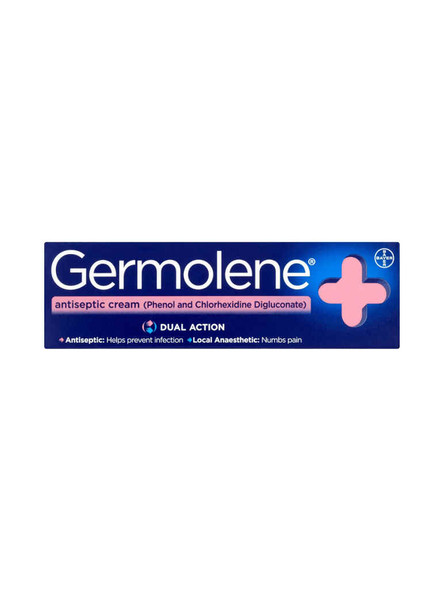
- Antiseptic creams and disinfectant liquid for minor wound hygiene support (use as directed)
How to choose the right option
- Start with the goal: prevent friction on a “hot spot,” cushion an intact blister, or protect broken skin from rubbing.
- Match the area: toe and underfoot designs can stay put better than a standard plaster on curved or high-pressure points.
- Consider wear time: for long walks or sport, look for dressings designed for secure adhesion and extended wear.
- Think about moisture: if feet get sweaty or you’ll be showering, check the pack for water resistance and reapply if it lifts.
- Be cautious with broken skin: cleanse gently and choose products suitable for minor wounds; avoid anything not intended for open areas.
- Know when to escalate: spreading redness, heat, swelling, discharge or worsening pain should be checked promptly.
Quick links: common needs
FAQs
What are hydrocolloid blister plasters?
Hydrocolloid blister plasters are cushioning dressings designed to protect sore areas from rubbing. They’re commonly used on heels, toes and other friction points. Apply to clean, dry skin and follow the instructions on the pack.
Can I use blister plasters to prevent blisters?
Yes, many people use blister plasters on “hot spots” where skin is rubbing before a blister forms. For ongoing prevention, an anti-blister stick can also help reduce friction in high-rub areas when used as directed.
Should I cover a blister or leave it open?
If the area will keep rubbing, covering it can help protect the skin and reduce discomfort. Choose a plaster that fits well and replace it if it lifts or gets dirty. For broken blisters, keep the area clean and protected.
Can I shower with blister plasters on?
Some blister plasters are designed to be more water-resistant than standard plasters, but results vary. Check the packaging guidance and change the plaster if it lifts, becomes waterlogged or stops protecting the area.
How long should I leave a blister plaster on?
Wear time depends on the product. Many blister plasters are intended to stay on longer than standard plasters, but you should follow the manufacturer instructions and replace if it loosens or if the skin looks worse.
When should I get medical advice for a blister?
Seek advice if you notice signs of infection (spreading redness, heat, swelling, pus), severe or worsening pain, frequent recurring blisters, or if you have diabetes or poor circulation. A pharmacist can advise, and you may need to contact your GP or NHS 111.
Are antiseptic creams suitable for blisters?
Antiseptic creams and disinfectant solutions are typically used for minor cuts, grazes and skin breaks, and may be appropriate in some blister situations when used as directed. If you’re unsure what’s suitable for your skin or the area affected, ask a pharmacist.
Safety information: This page is for general guidance and does not replace medical advice. Always read the label and use products as directed. Do not ignore worsening symptoms. If you’re unsure what’s suitable (especially for children, pregnancy/breastfeeding, diabetes, poor circulation, or broken/infected skin), speak to a pharmacist or contact your GP/NHS 111.