Shop pharmacy products commonly used to help relieve a bloated stomach, trapped wind and uncomfortable fullness. People usually browse this range when bloating is linked to excess gas, cramping, belching or a tight feeling after meals—especially when symptoms overlap with indigestion, heartburn or IBS-type discomfort. If you also feel “backed up” or your bowel habits have changed, constipation-related bloating may be the main driver.
As a UK online pharmacy, some medicines may include short suitability questions to help check they’re appropriate for you—this is normal and supports safe supply. You’ll find recognised OTC brands and pharmacy alternatives in formats to suit different routines, including chewable tablets, soft gel capsules, caplets, syrups and powders. Compare active ingredients (for example, simeticone for wind, antacids/alginates for acid-related symptoms, or short-term laxatives for constipation-related bloating), pack sizes and directions. If you’re unsure what to choose—particularly if you’re pregnant, breastfeeding, taking regular medicines, or buying for a child—ask a pharmacist for advice.
Shop by bloated stomach type
Popular types of products
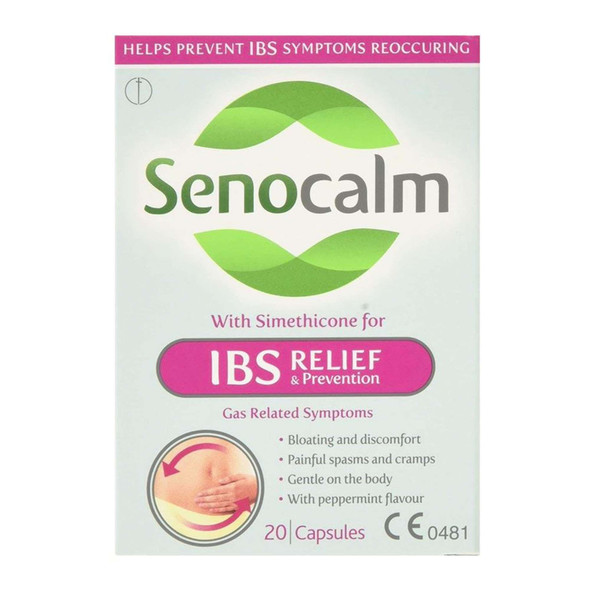
- Simeticone “trapped wind” relief (often soft gel capsules for gas and wind discomfort)
- Antacid + deflatant chewables (commonly chosen for bloating with indigestion/heartburn)
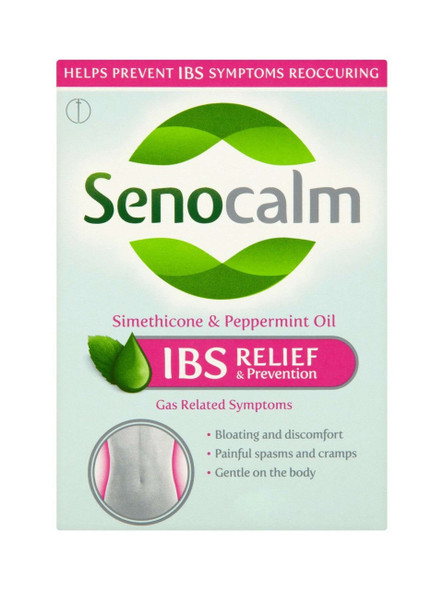
- Peppermint oil capsules (often chosen for IBS-type bloating, cramps and spasms)
- Dual-action diarrhoea relief (selected when diarrhoea comes with wind/bloating)
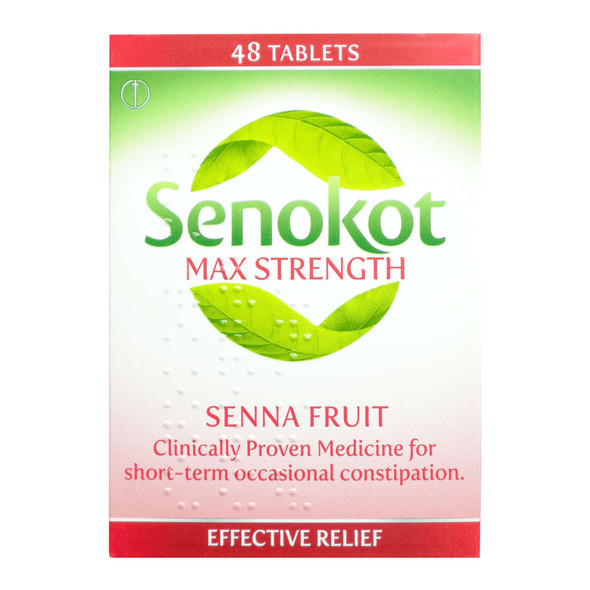
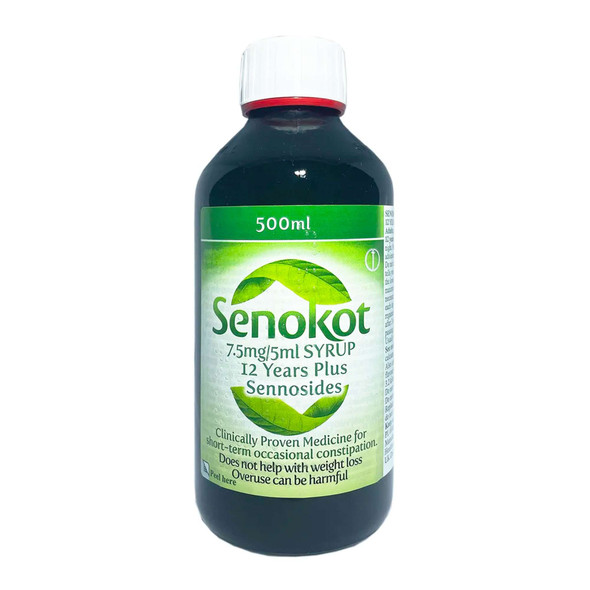
- Short-term constipation relief (including senna tablets and senna syrups where appropriate)
How to choose the right option
- Start with the main symptom: trapped wind/fullness, constipation, reflux/heartburn, or IBS-type cramping often points to a different product type.
- Check the active ingredient: deflatants may suit gas-related bloating; antacids/alginates may suit acid-related symptoms; laxatives may suit constipation-related bloating.
- Pick a format you’ll use correctly: chewables for on-the-go, capsules for convenience, liquids for flexible dosing, and bigger packs for repeat short-term needs.
- Use on-page filters if available: narrow by ingredient, format, pack size or price to find the closest match quickly.
- Consider interactions and timing: some indigestion remedies can affect absorption of other medicines—follow leaflet spacing advice and ask a pharmacist if you take regular medication.
- Reassess if it keeps returning: repeated or persistent bloating is a reason to seek advice rather than ongoing self-treatment.
Quick links: common needs
FAQs
What’s a common cause of a bloated stomach?
Bloating is often linked to excess gas, eating quickly, certain foods, constipation, or indigestion-type symptoms. Some people notice it as part of IBS. If bloating is frequent, persistent, worsening or changing, speak to a pharmacist or GP.
How do I tell trapped wind from constipation-related bloating?
Trapped wind may come with gurgling, belching or passing wind and can feel like pressure that moves around. Constipation-related bloating is more likely if you’ve not opened your bowels as usual, stools are hard, or you feel “backed up”. A pharmacist can help you choose what to try first.
What’s the difference between simeticone products and peppermint oil capsules?
Simeticone is commonly used for gas-related bloating and trapped wind. Peppermint oil capsules are often chosen for IBS-type symptoms such as cramps/spasms and bloating. Always follow the directions and check suitability for your age group and health conditions.
Which option is best if I also have heartburn or indigestion?
If you have burning in the chest/throat, sour taste, or indigestion alongside bloating, an antacid or alginate (sometimes combined with a wind-relief ingredient) may be more suitable than a wind-only product. Check the leaflet for maximum doses and spacing from other medicines.
Can I take these products with antibiotics, thyroid tablets or blood thinners?
Some indigestion remedies can affect how other medicines are absorbed or when they should be taken. Always read the patient leaflet and ask a pharmacist if you take prescription medicines, including antibiotics, thyroid medicines or blood thinners.
Why might I be asked suitability questions at checkout?
For some medicine types, pharmacies ask a few questions to help check the item is appropriate and safe for you. Answering accurately helps the pharmacy team advise if another option is more suitable.
When should I speak to a GP urgently about bloating?
Seek urgent medical advice if bloating is severe, persistent or suddenly worse, or if you have red-flag symptoms such as severe abdominal pain, vomiting, blood in stools, fever, unexplained weight loss, difficulty swallowing, or you feel very unwell.
Important: This information is for general guidance and does not replace medical advice. Always read the label or patient leaflet and use medicines as directed. If symptoms persist, keep returning, or you’re concerned—especially with red-flag symptoms—speak to a pharmacist or GP.