Explore a full range of burn creams, cooling gels, antiseptic solutions, and protective dressings for minor burns and scalds from WithAid, a UK-based regulated pharmacy. Ideal for everyday first-aid scenarios such as kitchen scalds, travel mishaps, brief contact burns, or mild sunburn, these products provide gentle care, comfort, and hygiene support.
Begin with first aid: cool the burn under running cool water, remove jewellery near the area, and cover with a clean non-fluffy dressing. Once cooled, choose the appropriate product — cooling gels for soothing relief, antiseptic creams for targeted protection, antiseptic solutions for cleansing, or dressings to protect and support healing. For children, sensitive skin, or uncertain cases, our pharmacy team can advise on the most suitable option.
Shop by burns product type
Popular types of burns products
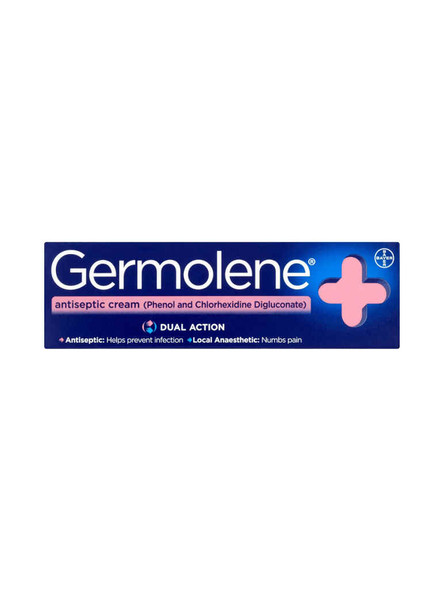
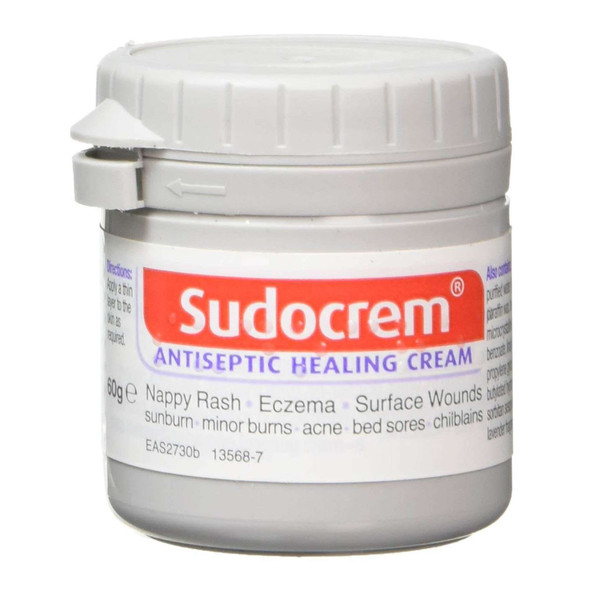
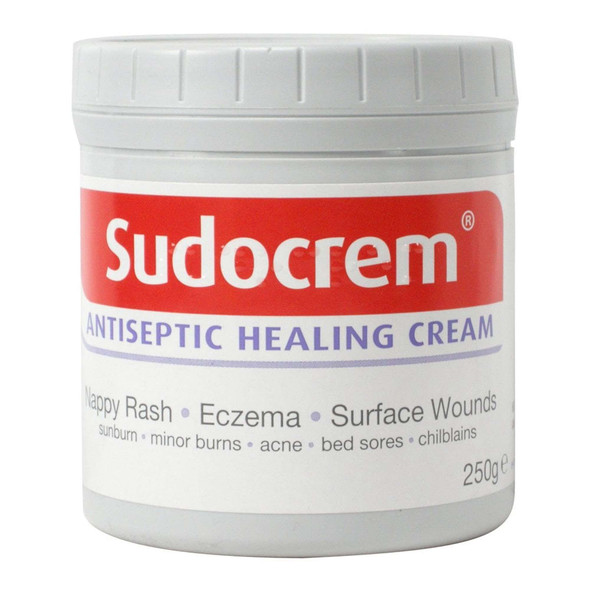
- Antiseptic creams for minor burns and scalds
- Cooling gels for soothing and comfort
- Protective/healing gels to support the skin barrier
- Antiseptic solutions for cleansing
- Dressings and coverings to protect and aid healing (see First Aid essentials)
How to choose the right option
- Assess severity: minor burns may suit OTC products; larger, deeper, or blistered burns require urgent medical assessment.
- Pick by purpose: cooling (gel), antiseptic coverage (cream), cleansing (solution), protection (dressings/healing gel).
- Consider location: burns on the face, hands, feet, or genitals often require medical advice.
- Check suitability: age, allergies, sensitive skin, pregnancy/breastfeeding, and other medications.
- Follow safety precautions: don’t burst blisters and avoid using products on severe or extensive burns unless instructed.
- Monitor for infection: increasing redness, swelling, warmth, pain, discharge, or fever requires prompt advice.
Quick links: common needs
FAQs
What’s the best first aid for a minor burn or scald?
Cool the area with running cool water, remove jewellery, and cover with a clean non-fluffy dressing. Avoid ice and don’t burst blisters. If unsure, seek medical advice.
Should I choose a burn cream or a burn gel?
Gels provide soothing, cooling relief, while creams offer targeted antiseptic protection. Follow product instructions carefully.
Can I use antiseptic cream on burns?
Use only creams labelled for minor burns and scalds, following directions. Avoid extensive or severe burns and consult a pharmacist if unsure.
When should I seek urgent help for a burn?
Large, deep, chemical, or electrical burns; burns on face, hands, feet, or genitals; severe blistering; breathing difficulties; or child injuries require urgent advice. Contact NHS 111 or call 999/attend A&E.
Are burns products suitable for children?
Check product labels and consult a pharmacist, especially if burns are blistered, painful, or in sensitive areas.
Can these products be used for sunburn?
Mild sunburn often improves with cooling and gentle care. Some soothing gels or creams may help if the label allows, but seek advice for severe or persistent symptoms.
How do I know if a burn is getting infected?
Signs include increasing redness, warmth, swelling, worsening pain, discharge, unpleasant smell, or feeling unwell. Seek advice from a pharmacist, GP, or NHS 111.
Important: This information is for guidance only and does not replace medical advice. Read labels and follow instructions. If symptoms are severe, worsening, unusual, or not improving — or if you’re pregnant, breastfeeding, treating a child, or taking other medicines — consult a pharmacist or GP. In emergencies, call 999 or attend A&E.