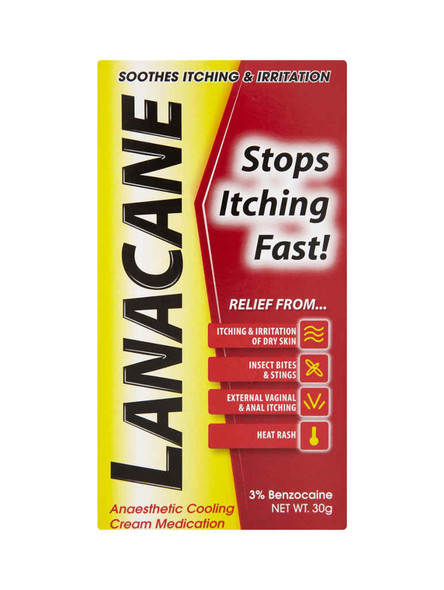
Shop chafing treatment and anti-chafing products from WithAid, a UK-based GPhC-registered regulated online pharmacy. Chafing (often searched as friction rash or “chub rub”) is usually caused by repeated rubbing of skin-on-skin or clothing, and can be made worse by heat, sweat, damp fabric, seams, or long periods of movement. It commonly affects inner thighs, groin, underarms, nipples and feet, where skin may look red and feel sore or tender.
In this category you’ll find practical anti-chafe formats people buy for both prevention and comfort: fast-drying anti-chafing gels for larger areas, barrier balms for longer-wear protection during sport or kit rub, and anti-blister sticks for shoe rub hot spots. Choose a format you’ll apply consistently, follow the product directions, and top up when needed—especially during warmer weather, training, or all-day wear.
Shop by chafing type
Popular types of chafing products
- Anti-chafing gels: quick, lightweight glide for larger areas like inner thighs.
- Barrier balms: longer-wear friction protection for running, hiking, cycling and kit rub.
- Anti-blister sticks: targeted protection for heels, toes and shoe contact points.
- Protective creams: supportive option when skin feels irritated from rubbing.
- Foot care creams: comfort-focused moisturising as part of a foot-care routine.
How to choose the right option
- Match the area: gels and balms suit thighs/skin folds; stick formats suit feet and shoe rub points.
- Consider wear time: choose longer-wear barrier protection for long shifts, long-distance days, or kit rub.
- Check sensitivity: review ingredients and avoid products you know irritate your skin.
- Apply correctly: use on clean, dry skin and allow it to settle before dressing.
- Plan reapplication: top up after heavy sweating, swimming, towel-drying, or extended movement.
- Be cautious with broken skin: check the label for suitability and get advice if you’re unsure.
Quick links: common needs
FAQs
What causes chafing?
Chafing is usually caused by repeated friction (skin rubbing against skin or clothing). Heat, sweat, damp fabric, seams and ill-fitting kit can increase rubbing and make skin feel sore or tender.
What’s best for inner thigh chafing (chub rub)?
Many people choose an anti-chafing gel or barrier balm that reduces friction across a larger area. Apply to clean, dry skin and reapply as needed, especially during warmer weather or longer days.
How do I prevent blisters from shoe rub?
Reducing friction at hot spots is key. An anti-blister stick can help reduce rubbing on heels and other contact points. Well-fitting footwear, suitable socks and gradually breaking in new shoes can also help.
Are anti-chafing products only for runners and athletes?
No. They’re commonly used for walking, hiking, cycling, work uniforms, travel and everyday rubbing in skin folds. Choose the format that fits your routine so you can apply and top up easily.
Chafing vs heat rash: what’s the difference?
Chafing is mainly friction-related and often feels sore where skin rubs. Heat rash is usually linked to blocked sweat ducts and can look like small itchy bumps. If you’re unsure, ask a pharmacist for guidance.
Can I use anti-chafing products on broken or blistered skin?
Check the product label and instructions first. Some products are intended for prevention on intact skin rather than open blisters or raw areas. If skin is open, very painful, or looks infected, seek advice promptly.
When should I speak to a pharmacist or GP?
Get advice if chafing is severe, recurrent, spreading, or not improving, or if you notice signs of infection (increasing redness, heat, swelling, pus or fever). If you have diabetes, poor circulation, or a weakened immune system, seek advice sooner.
Important: This information is general and does not replace medical advice. Always read the packaging and follow directions. Do not use products if you are allergic to any ingredients. If you are pregnant or breastfeeding, buying for a child, taking other medicines, or symptoms are severe, unusual or persistent, speak to a pharmacist or GP. For urgent symptoms or severe reactions, call 999 or attend A&E.