Dry, cracked heels (heel fissures) often develop when heel skin becomes very dry and thickened (hard skin), then splits under everyday pressure from walking, standing or rubbing footwear. Most people shopping this category want one thing: a cracked heel cream or heel balm that fits a routine they can keep up. In practice, that usually means moisturising daily, choosing a texture that suits daytime or bedtime use, and keeping hard-skin care gentle.
Shop cracked heel creams, urea heel balms and overnight heel treatments from a UK based and regulated pharmacy, with discreet delivery. You’ll find options suited to mild dryness through to very dry, rough heels, plus supportive foot-care products such as foot soaks. If your cracks are deep, bleeding, very painful, or the skin looks inflamed, it’s best to speak to a pharmacist or GP before continuing self-care.
Shop by cracked heels type
Popular types of cracked heel products
- Urea heel balms: concentrated moisturising for very dry, rough heels and thicker hard skin.
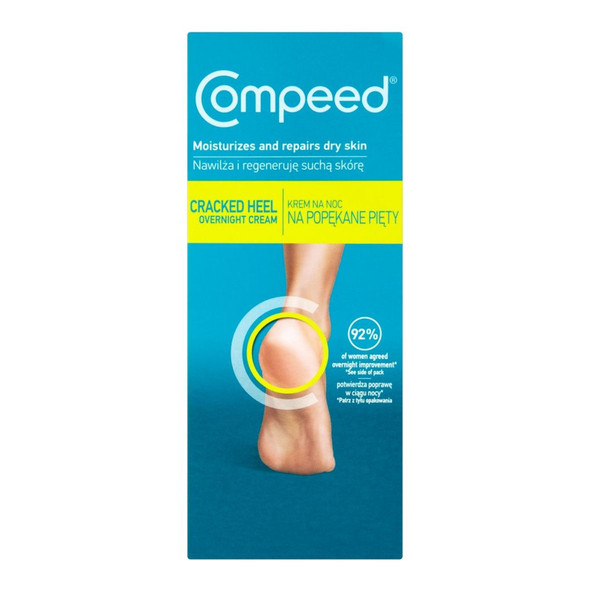
- Overnight cracked heel creams: intensive hydration used before bed, often with socks for comfort.
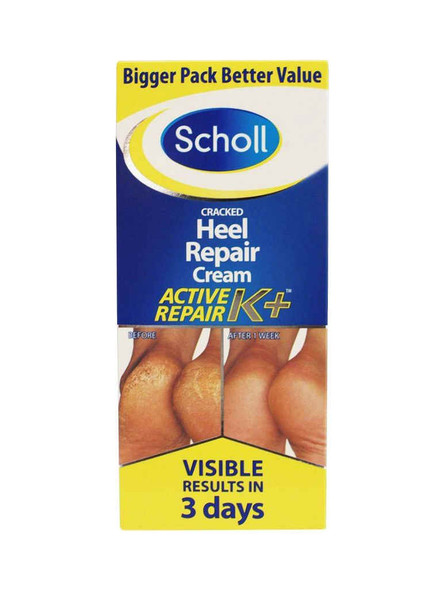
- Cracked heel repair creams: everyday creams for dry, split heel skin and ongoing maintenance.
- Protective salves/ointments: richer textures that help lock in moisture and protect dry areas.
- Foot baths and soaks: warm-soak options to soften skin before moisturising.
Quick tip: For bedtime, many people prefer a richer balm or overnight cream; for daytime, a lighter, faster-absorbing cream can be easier to reapply.
How to choose the right option
- Match the severity: mild dryness may suit a daily foot cream; deeper fissures often need a richer heel balm.
- Check key hydrators: urea and lactic acid are common in products for very dry, rough heel skin.
- Pick a texture you’ll use consistently: daily application is often more helpful than occasional intensive use.
- Choose daytime vs bedtime: lighter creams suit daytime; thicker balms can feel better at night.
- Be gentle with hard-skin care: avoid aggressive scraping or blades, especially if skin is sore or cracked.
- Know when to ask: worsening pain, bleeding cracks, or signs of infection need professional advice.
- Look for helpful filters (if available): balm vs cream, “overnight”, urea strength, and fragrance-free can make choosing quicker.
Quick links: common needs
FAQs
What causes cracked heels?
Cracked heels usually happen when heel skin becomes very dry and thickened (hard skin), then splits under repeated pressure from walking or standing. Friction from footwear and irregular moisturising can make it more likely.
What’s a simple routine for dry, cracked heels?
After washing, dry feet well, then apply a cracked heel cream or heel balm daily (many people prefer bedtime). If you have hard skin, gentle smoothing can help, followed by moisturising. Always follow the product label.
How often should I apply cracked heel cream?
It depends on the product. Many are used once or twice daily, with bedtime application being popular. Check the label and reduce frequency if irritation occurs, then ask a pharmacist if you need help choosing an alternative.
Are urea heel balms suitable for very dry heels?
Urea is widely used in foot care because it helps the skin retain moisture. Urea-based heel balms are often chosen for very dry, rough heels. If your skin is broken or very sore, ask a pharmacist which option is most suitable.
Should I exfoliate or use a foot file on cracked heels?
Gentle exfoliation can help with hard skin, but avoid aggressive filing or sharp tools, especially if the skin is cracked, painful or bleeding. If you’re unsure what’s safe for you, a pharmacist can advise.
Could my symptoms be athlete’s foot instead?
If you have intense itching, peeling skin between the toes, redness, or a spreading scaly rash, a fungal infection may be involved. Cracked-heel moisturisers may not treat fungal causes, so ask a pharmacist for guidance on the right treatment.
What should I do if my heel is split or bleeding?
If the skin is actively bleeding, very painful, or looks inflamed, it’s best to get advice before using further products. Avoid sharp tools and follow product instructions carefully. Seek urgent advice if you notice spreading redness, swelling, discharge, fever, or you have diabetes or poor circulation.
Safety note: This information is general and doesn’t replace medical advice. Always read and follow the product label. Do not apply products to broken, infected, or actively bleeding skin unless the packaging says it’s suitable. If symptoms are severe, worsening, recurrent, or you have an underlying condition (including diabetes), speak to a pharmacist or GP.