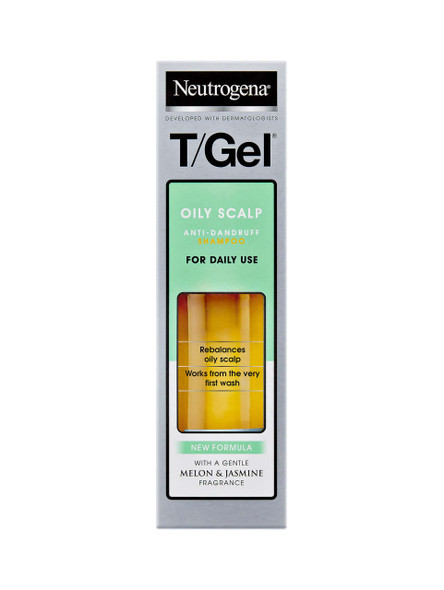
Shop dandruff shampoo and scalp treatments from withaid, a UK registered online pharmacy with discreet Royal Mail delivery and free delivery on orders over £20. Dandruff is commonly linked to scalp irritation and faster skin shedding, and it can look different depending on your scalp type. Some people notice dry, fine flakes and itch, while others see greasy scaling with an oily scalp.
This category includes medicated dandruff shampoos with pharmacy-trusted actives such as ketoconazole shampoo and selenium sulphide shampoo, alongside therapeutic scalp shampoos and gentler options for dry or sensitive scalps. A practical routine can help: use a medicated anti-dandruff shampoo as directed for a short “treatment phase”, then maintain results by alternating with a gentle shampoo once symptoms are under control. If you’re unsure which option fits your symptoms, speak to a pharmacist for personalised guidance.
Shop by dandruff type
Popular types of dandruff products
- Medicated ketoconazole shampoo for persistent dandruff and scalp flaking
- Medicated selenium sulphide shampoo for dandruff with greasy scaling
- Therapeutic scalp shampoo for recurrent flaking and build-up
- Oily scalp anti-dandruff shampoo for oil-prone scalps with flakes
- Dry scalp and itchy scalp shampoo for sensitive scalps and more frequent washing
How to choose the right option
- Start with your main symptom: stubborn flakes, greasy scaling, oily scalp, or dry/itchy scalp often point to different shampoo types.
- Choose by active ingredient: medicated options (such as ketoconazole or selenium sulphide) are often chosen for persistent dandruff.
- Follow the correct frequency: many medicated shampoos are used a few times weekly for a set period, then reduced for maintenance.
- Allow contact time: some products need a few minutes on the scalp before rinsing, so check the label and leaflet.
- Support hair comfort: therapeutic options can feel drying on hair lengths, so alternating with a gentle shampoo may help.
- Check suitability: follow age guidance and seek advice if pregnant, breastfeeding, or buying for a child.
Quick links: common needs
FAQs
What’s the difference between dandruff and a dry scalp?
Dandruff often involves visible flakes and scalp irritation, sometimes with oiliness or greasy scaling. A dry scalp is more about lack of moisture and can feel tight or itchy. If you’re unsure which it is, a pharmacist can help you choose a suitable option.
Which active ingredients are common in medicated dandruff shampoos?
Common medicated options include ketoconazole shampoo and selenium sulphide shampoo. Therapeutic scalp shampoos may also be used for recurrent flaking and build-up. The best choice depends on your symptoms, scalp type and any sensitivities.
How often should I use a medicated dandruff shampoo?
It varies by product. Some medicated shampoos are used a few times per week for a set period rather than daily. Always follow the on-pack directions and patient information leaflet, and don’t use more often than recommended.
How long does it take to see improvement?
Many people notice improvement within a couple of weeks when using the product as directed, but results vary. If symptoms persist, or your scalp becomes sore or very inflamed, seek advice from a pharmacist or GP.
Can I alternate an anti-dandruff shampoo with my usual shampoo?
Often, yes. Alternating treatment wash days with a gentle shampoo can help balance effectiveness with hair comfort, especially if your hair feels dry. Follow the product guidance and stop use if irritation develops.
Is anti-dandruff shampoo suitable for coloured or treated hair?
Some therapeutic or medicated shampoos can feel drying on hair lengths. Consider conditioning the ends (not the scalp) and alternating with a gentler shampoo if needed, while still following the label directions.
When should I speak to a pharmacist or GP about dandruff?
Get advice if you have a painful, swollen or weeping scalp, significant redness, thick crusting, patchy hair loss, or if dandruff is persistent despite appropriate use of treatment shampoos. Seek guidance if you’re pregnant, breastfeeding, or buying for a child.
Important: This information is general and does not replace personalised medical advice. Always read the label and patient information leaflet before use. If symptoms are severe, worsening, or not improving, speak to a pharmacist, GP, or contact NHS 111.