Dehydration can happen when your body loses more fluid and salts than you replace. It’s commonly linked with hot weather, heavy sweating, travel, or stomach upsets such as vomiting and diarrhoea. Alongside drinking little and often, some people choose oral rehydration salts (ORS) or electrolyte products to support measured replacement of fluids and essential salts when they need something more structured than water alone.
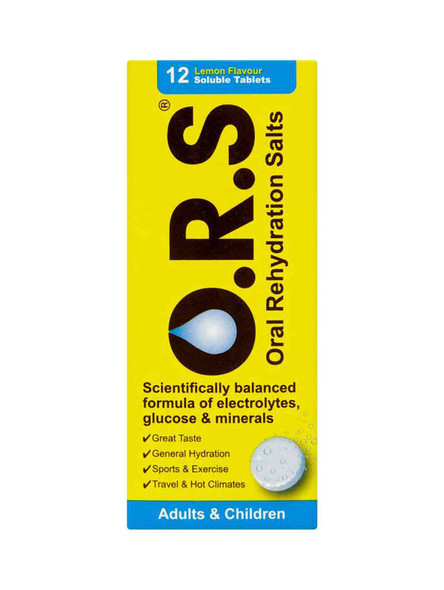
Shop dehydration support options here, including Dioralyte ORS sachets in different flavours and pack sizes, plus O.R.S soluble hydration tablets for convenient, on-the-go use. Always check the label for age suitability and cautions, and follow the mixing directions exactly so the solution is made up correctly.
Shop by dehydration support type
Popular types of hydration support
- ORS sachets mixed with water: a measured electrolyte drink format, commonly chosen for structured rehydration.
- 6-sachet packs: a practical option for occasional needs, weekends away, or to keep in a travel kit.
- 20-sachet packs: useful for households that want a larger supply ready for holidays or seasonal heat.
- Soluble hydration tablets: portable tablets designed to dissolve in water for convenient hydration support.
- Flavour-led choices: pick a taste you can tolerate, as you may need to sip regularly as directed.
How to choose the right option
- Choose the format: ORS sachets suit structured rehydration; tablets suit convenient hydration support when you’re out.
- Match the use case: vomiting or diarrhoea can increase fluid loss quickly, while heat and activity may suit a portable option.
- Select a pack size: choose 6 sachets for occasional use; choose 20 sachets if you want to keep a supply ready.
- Pick a flavour you can tolerate: comfort matters when you may need to sip regularly as directed.
- Mix accurately: use the exact water volume stated on the pack and don’t concentrate the solution.
- Check suitability: review the label for age guidance and cautions (including diabetes, low-sodium diets, pregnancy/breastfeeding, and regular medicines) and ask a pharmacist if unsure.
Quick links: common needs
FAQs
What are oral rehydration salts (ORS)?
ORS are measured combinations of salts and glucose designed to be mixed with water. They’re commonly used to support fluid and electrolyte replacement when you’re dehydrated or at risk of dehydration.
When might ORS be useful compared with drinking water alone?
If you’ve lost fluids through vomiting, diarrhoea, heavy sweating, or heat, an ORS-style drink can help replace both water and electrolytes in a controlled way. Always follow the label and seek advice if you’re unsure what’s suitable.
How do I mix rehydration sachets safely?
Use the exact amount of water stated on the pack, mix thoroughly, and take only as directed. Do not add extra powder or reduce the water volume, as this can make the solution too concentrated.
How long can I keep a prepared rehydration drink?
Prepared solutions are usually intended for short-term use. Check the product label or leaflet for storage instructions and when to discard any leftover solution.
Can I use ORS or hydration tablets alongside other medicines?
In many cases they can be used alongside other products, but it’s important to check the label for cautions and interactions. If you take regular medicines or have a long-term condition, ask a pharmacist for advice on the best option for you.
What should I do if I can’t keep fluids down?
If vomiting is persistent, you can’t keep fluids down, or symptoms are worsening, seek advice promptly from a pharmacist, NHS 111, or your GP. This is especially important for young children, older adults, and anyone medically vulnerable.
When should I seek urgent medical help for dehydration?
Get urgent advice (GP, NHS 111, or emergency services) if there are signs of severe dehydration such as confusion, extreme drowsiness, fainting, not passing urine, blood in vomit or stool, or symptoms that are worsening or not improving.
Important: This page provides general information and does not replace medical advice. Hydration products can support rehydration, but they are not a substitute for clinical assessment. Young children and older adults can become unwell more quickly, so seek pharmacist advice early if you’re concerned. Always read the label and follow directions. If symptoms are severe, unusual, or persistent, speak to a pharmacist, contact your GP, or call NHS 111.