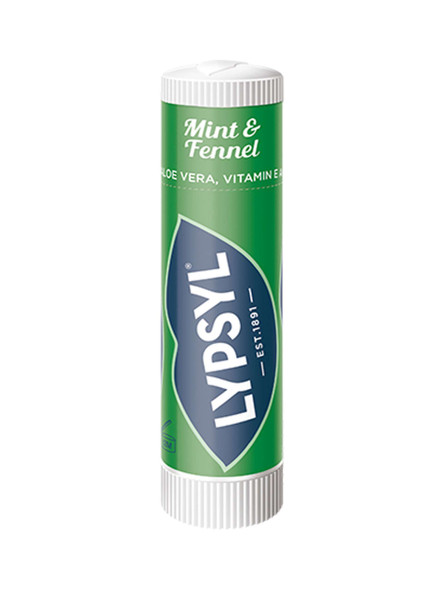
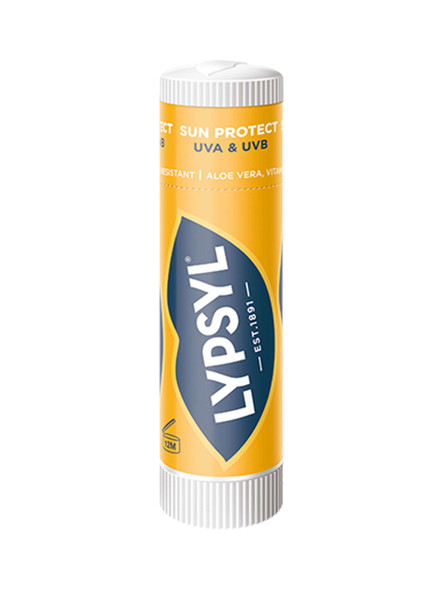
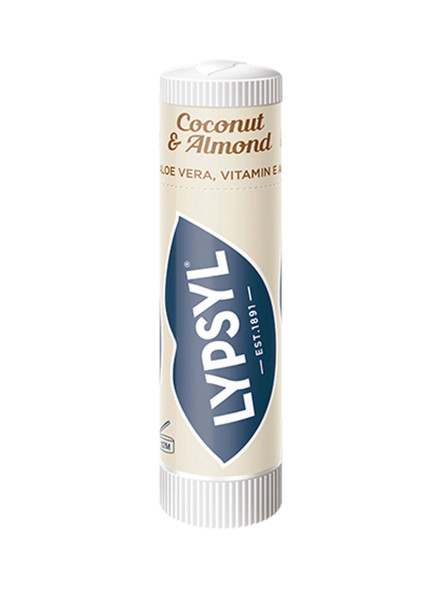
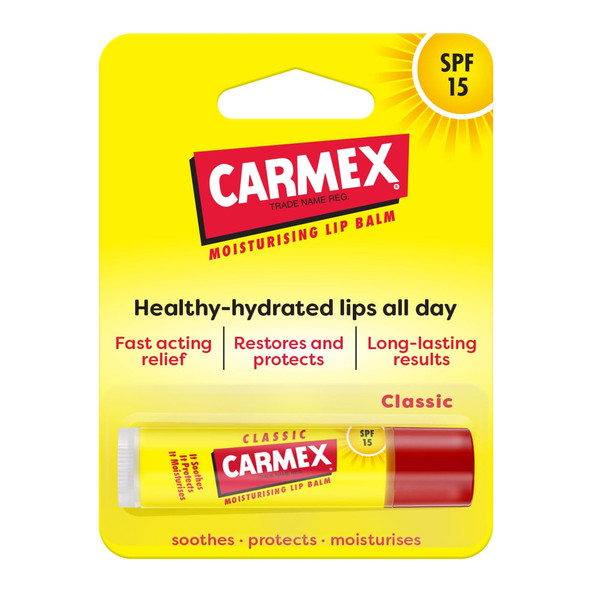
Dry, chapped lips are common in the UK—especially in cold wind, low indoor humidity and bright weather. If you’re searching for the best lip balm for chapped lips, the goal is usually twofold: fast comfort for sore, tight lips now, plus reliable protection that helps reduce cracking and flaking between applications.
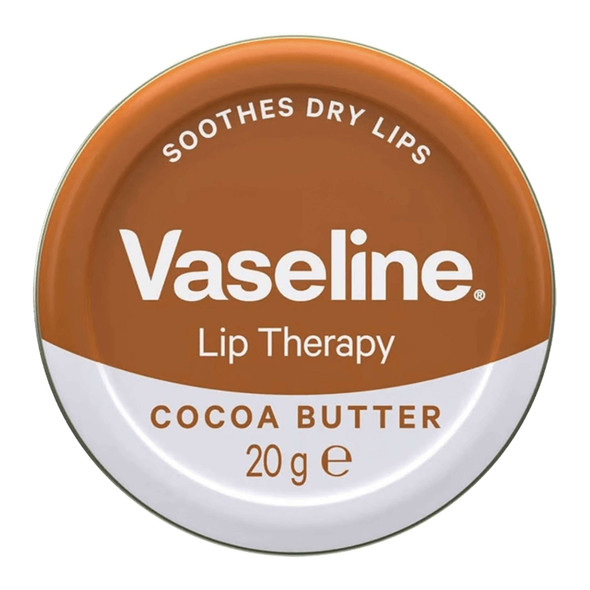
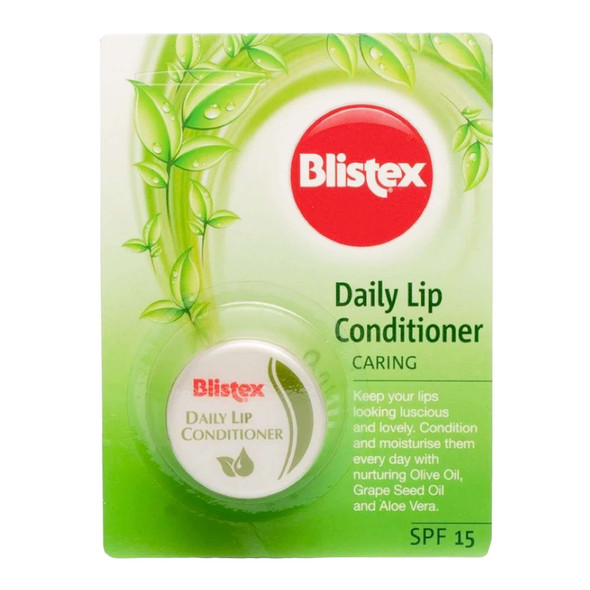
In this Dry Lips range at withaid (a UK based and regulated pharmacy), you’ll find everyday lip balm sticks for regular top-ups, richer lip therapy pots/tins for a thicker barrier layer, and higher-SPF lip care for time outdoors. Choose a format you’ll actually use—sticks for commuting, pots/tins for overnight, or targeted relief creams when lips feel particularly sore. Orders are sent Royal Mail in discreet packaging, with fast, free delivery on orders over £20.
Shop by Dry Lips type
Popular types of lip products
- Lip balm sticks for everyday dryness and quick, mess-free reapplication
- SPF lip balm and SPF 50 lipscreens for outdoor protection in bright or exposed conditions
- Lip therapy pots/tins for a thicker, more protective layer—ideal overnight
- Relief creams & intensive treatments for sore, cracked or damaged lips (use as directed)
- Lip conditioners for daily maintenance when lips dry out easily
How to choose the right option
- Match the trigger: wind/cold often suits a richer barrier layer; mild day-to-day dryness may suit a simple balm stick.
- Choose a format you’ll use: sticks are easiest on the go; pots/tins can feel more protective at home.
- Consider SPF: useful year-round outdoors; go higher for prolonged exposure (holidays, sport, water or snow reflection).
- Watch for sensitivity: if a product stings or causes redness, stop use and switch to a simpler, gentler option.
- Avoid common irritants if you react: fragranced or strongly flavoured products can bother some people—choose plainer options where possible.
- Use consistently: apply before going outside, and top up after eating/drinking; follow label guidance for SPF reapplication.
Quick links: common needs
- Everyday dryness: choose a lip balm stick for regular top-ups
- Cracked, sore lips: consider a relief cream or richer lip therapy layer (use as directed)
- Outdoor protection: prioritise SPF lip balm or an SPF 50 lipscreen
FAQs
What’s the best option for very dry, chapped lips?
Many people use an everyday lip balm through the day, then apply a thicker lip therapy layer overnight for extra protection. If lips are sore or cracked, a targeted relief product may be more suitable—always follow the label directions.
Do I need SPF lip balm in the UK?
SPF can help whenever you’re outdoors in bright conditions, including in the UK. For longer exposure (holidays, hiking, sport, water or snow reflection), consider a higher SPF (such as SPF 50) and reapply as directed.
Why do my lips stay dry even when I use lip balm?
Common reasons include not reapplying often enough, licking lips, dry indoor heating, or using a product that irritates your lips. A simpler formula and a thicker overnight layer may help reduce repeat dryness.
Is a lip therapy tin better than a lip balm stick?
Not always—sticks are convenient and hygienic for frequent reapplication, while tins/pots are often thicker and can feel more protective. The best choice is the one you’ll use consistently.
What should I avoid if my lips are sensitive?
If you’re irritation-prone, avoid anything that stings on application and consider simpler options. Stop using any product that causes burning, swelling, or persistent redness, and seek advice if symptoms continue.
Can dry lips be confused with other lip problems?
Sometimes. Dryness can look similar to irritation, allergy, infection, or other lip conditions. If you have recurrent symptoms, worsening pain, weeping/crusting, or you’re unsure what’s going on, it’s safest to speak to a pharmacist or GP.
When should I speak to a pharmacist or GP about dry lips?
Seek advice if symptoms are severe, persistent, or worsening; if there’s bleeding, spreading rash, swelling, or signs of infection; or if you’re pregnant, breastfeeding, immunocompromised, or unsure which product is appropriate.
Safety note: Always read and follow the label. Lip balms and treatments can support comfort and protection, but they don’t replace medical assessment. If symptoms persist or you’re concerned, speak to a pharmacist or GP.