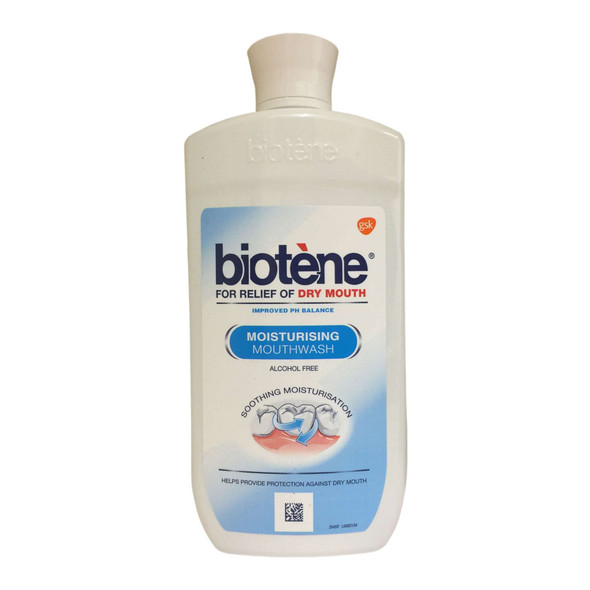
Dry mouth (xerostomia) is a common symptom that can make eating, talking and sleeping uncomfortable. It’s often linked to dehydration, mouth breathing, stress, or medication side effects. This range brings together pharmacy dry mouth relief products designed to help moisturise the mouth and support everyday oral care — including dry mouth sprays, saliva substitute gels, sugar-free lozenges or pastilles, mouth moisturising mouthwash and gentle toothpaste.
Withaid is a UK based and regulated pharmacy offering discreet delivery. Brands in this range include Biotene, bioXtra, Glandosane, Saliveze and Salivix. If you’re not sure where to start, many people use a spray for quick daytime top-ups, a saliva replacement gel for longer-lasting comfort overnight, then add mouthwash and toothpaste for daily maintenance. Simple steps like regular sips of water, chewing sugar-free gum, and avoiding alcohol and caffeine where possible may also help some people manage symptoms.
Shop by Dry Mouth type
Popular types of dry mouth products
- Dry mouth sprays: quick moisture support for daytime, travel and bedside use.
- Saliva substitute gels: thicker gels that can feel more protective and longer-lasting, especially overnight.
- Lozenges & pastilles: slow-dissolving options that may help stimulate saliva flow (choose sugar-free where possible).
- Mouth moisturising mouthwash: supports a fresh mouth feel as part of daily oral hygiene (often alcohol-free).
- Dry mouth toothpaste: everyday brushing support, often chosen by people who find standard toothpaste irritating.
How to choose the right option
- Choose by when you need relief: sprays for quick top-ups; gels for longer comfort (often overnight).
- Pick the format you’ll actually use: lozenges/pastilles suit on-the-go; mouthwash/toothpaste fit daily routines.
- Check label features: alcohol-free mouthwash and sugar-free lozenges/pastilles are often preferred for regular use.
- Consider sensitivity: if your mouth feels sore, start with gentler options and follow directions carefully.
- Support oral care: keep up with brushing and routine dental checks, as dry mouth can affect day-to-day comfort.
- Review triggers and medicines: if symptoms began after a new prescription, speak to a pharmacist or prescriber before making changes.
Quick links: common needs
FAQs
What causes dry mouth (xerostomia)?
Dry mouth can be linked to dehydration, mouth breathing, stress or anxiety, and it’s also a common side effect of some medicines. If symptoms persist, it’s sensible to seek advice, as ongoing dry mouth can sometimes be associated with underlying conditions.
Can dry mouth be a medication side effect?
Yes. Some prescribed and over-the-counter medicines can contribute to dry mouth. Do not stop or change any medicine without advice — a pharmacist or prescriber can help you check whether this may be a factor and discuss suitable options.
Which is better: a dry mouth spray or a saliva substitute gel?
Sprays are often chosen for quick moisture during the day, while gels can feel more protective and may last longer — especially if your mouth feels driest at night. Many people use both depending on when they need relief.
Are dry mouth lozenges and pastilles suitable for daily use?
Many lozenges and pastilles are designed for regular use, but it’s best to follow the directions on the packaging. Choosing sugar-free options can be helpful if you use them frequently.
Are dry mouth mouthwashes alcohol-free?
Many dry mouth mouthwashes are alcohol-free, but formulas vary by brand. Always check the label, especially if you’re prone to irritation or are using multiple oral care products together.
Can I use dry mouth products if I wear dentures or have braces?
Often, yes — but it depends on the product and your oral sensitivity. A pharmacist can help you choose a suitable spray, gel or mouthwash and advise how to use it alongside your usual cleaning routine.
When should I speak to a pharmacist or GP about dry mouth?
Get advice if dry mouth lasts more than a couple of weeks, is severe, affects eating or sleeping, or comes with mouth soreness, ulcers, bleeding gums, or repeated infections. If you think a prescribed medicine is contributing, ask for advice before changing anything.
Safety note: Dry mouth relief products can help manage symptoms, but they do not treat the underlying cause. Always read the label and follow directions. If symptoms are persistent, severe or worsening, or you need advice about suitability with your medicines or conditions, speak to a pharmacist, GP, or call NHS 111.