Earwax is normal and helps protect the ear canal, but a build-up can leave your ear feeling blocked, “full” or muffled. This ear wax removal category brings together popular earwax softeners and ear care products to help you choose an at-home option that matches your symptoms and preferred format.
Most shoppers here are looking for ear drops for blocked ears or an easy-to-use ear spray to soften wax safely, without poking inside the ear. You’ll find olive oil ear drops and sprays for a gentler approach, sodium bicarbonate ear drops commonly used to soften hardened wax, and dual-action ear wax removal drops designed to loosen stubborn build-up. Use products exactly as directed in the patient leaflet and avoid cotton buds or inserting anything into the ear, as this can push wax deeper. If you have ear pain, discharge, fever, sudden hearing loss, significant dizziness/vertigo, or a known/suspected perforated eardrum, seek medical advice before using any earwax product.
Shop by ear wax removal type
Popular types of ear wax removal products
- Olive oil drops for gentle softening and regular ear care
- Olive oil sprays for simple, measured dosing and less mess
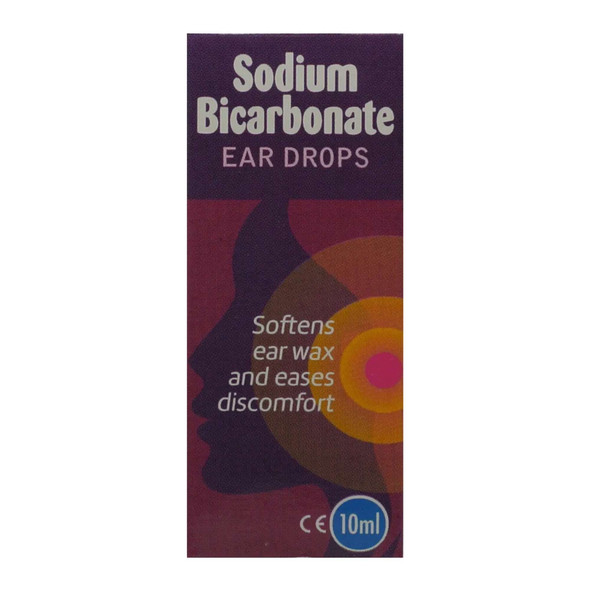
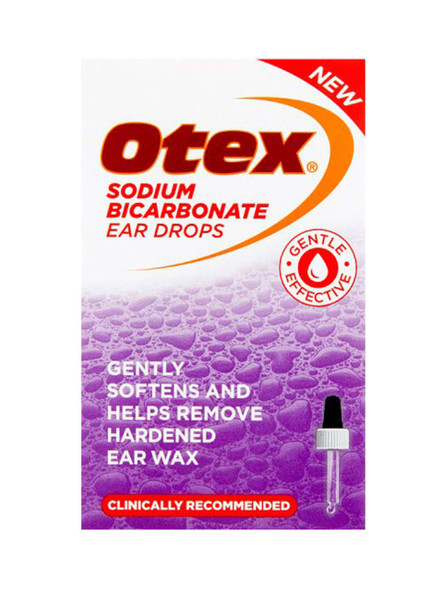
- Sodium bicarbonate drops to help soften hardened earwax build-up
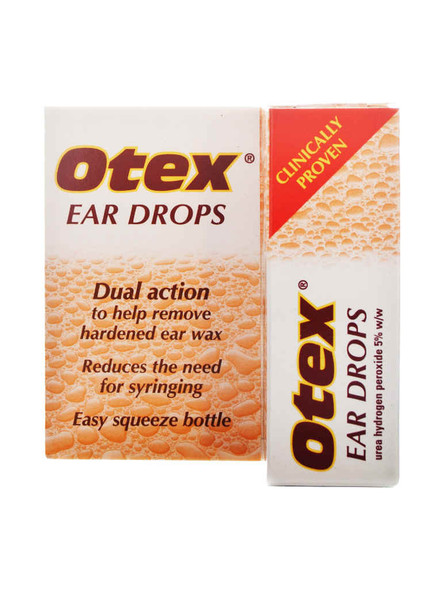
- Dual-action earwax drops to loosen stubborn wax
- Combi packs pairing drops with a bulb syringe for gentle rinsing after softening
How to choose the right option
- Start with your goal: choose a gentle softener for maintenance; consider a dual-action option for stubborn blockage.
- Pick a format you’ll use correctly: sprays can suit regular use, while droppers suit short treatment courses.
- Check age guidance: some products are not suitable for young children—follow the patient leaflet.
- Consider your ear history: if you’ve had ear surgery, grommets, or a perforated eardrum, get advice first.
- Follow the course length: use for the recommended number of days, then reassess before repeating.
- Avoid cotton buds: inserting objects can push wax deeper and irritate the ear canal.
Quick links: common needs
When to stop and seek advice: If symptoms worsen, you develop pain, discharge, fever, sudden hearing loss, or dizziness/vertigo, or you’ve finished the recommended course and still feel blocked, speak to a pharmacist, your GP, or contact NHS 111.
FAQs
What are common signs of earwax build-up?
Common symptoms include a blocked or “full” feeling, muffled hearing, itching, mild discomfort, or tinnitus. Severe pain, discharge, fever, sudden hearing loss, or significant dizziness should be assessed by a clinician.
How do ear wax removal drops work?
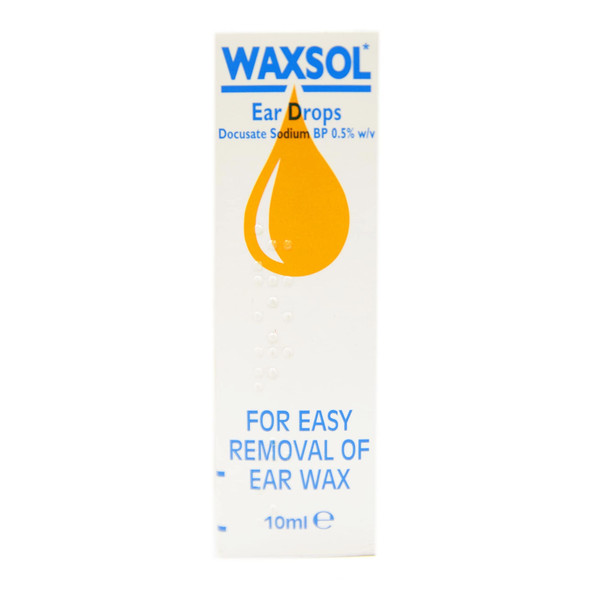
Most products are designed to soften and loosen wax so it can move out more easily. Oil-based drops soften wax gradually, while other formulas are designed to loosen stubborn build-up. Always follow the patient leaflet.
How long do ear wax removal drops take to work?
It depends on the product and how impacted the wax is. Many treatments are used for several days. If you’ve completed the recommended course and still feel blocked, ask a pharmacist or GP for advice.
Are olive oil drops or sodium bicarbonate drops better for blocked ears?
It depends on your preference and the type of wax. Olive oil is often chosen for a gentler approach, while sodium bicarbonate drops are commonly used to help soften hardened wax. If you’re unsure, a pharmacist can help you choose.
Can I use a bulb syringe kit at home?
Some kits include a bulb syringe intended for gentle rinsing after wax has been softened. Do not force water into the ear, and avoid irrigation if you have pain, discharge, a perforated eardrum, grommets, or a history of ear surgery unless a clinician has advised it.
Should I use cotton buds to remove earwax?
No. Cotton buds and other objects can push wax deeper, irritate the ear canal, and increase the risk of injury. Use appropriate softening drops or sprays instead, and seek advice if symptoms persist.
What if ear drops don’t work — do I need microsuction?
If wax remains impacted after appropriate use of softening drops, or if you’re not suitable for at-home options, a clinician may discuss in-practice removal methods such as microsuction. A pharmacist or GP can advise what’s appropriate for your symptoms and ear history.
Important: Ear wax removal products are for uncomplicated earwax build-up and should be used exactly as directed. Do not use ear drops if you have ear pain, discharge, fever, sudden hearing loss, significant dizziness/vertigo, or a known/suspected perforated eardrum unless a clinician has advised you to. If you’re unsure which option is suitable, speak to a pharmacist or your GP.