Shop fibrositis products online from WithAid, a UK based and regulated pharmacy. Fibrositis is commonly linked with ongoing musculoskeletal discomfort such as aches, stiffness and tenderness in muscles and soft tissues, which can make everyday movement feel harder. This category brings together pharmacy-appropriate options that people often consider for short-term symptom relief and comfort at home, alongside sensible self-care like gentle stretching, pacing activity and heat therapy.
On this page you’ll find a mix of formats so you can choose what suits your routine: rub-in creams and lotions for targeted application, sprays for quick coverage, warming heat sprays for stiffness, and oral pain relief products where appropriate. Always read the label and patient information leaflet, follow dosing and application directions, and check suitability if you have asthma, stomach or kidney issues, are pregnant or breastfeeding, or take regular medicines. If symptoms are severe, unusual, or not improving, speak to a pharmacist, contact NHS 111, or your GP.
Shop by Fibrositis type
- Muscle ache and stiffness support
- Heat sprays and warming rubs
- Topical creams, gels and lotions
- Pain relief sprays for targeted use
- Oral pain relief tablets and capsules
Popular types of Fibrositis products
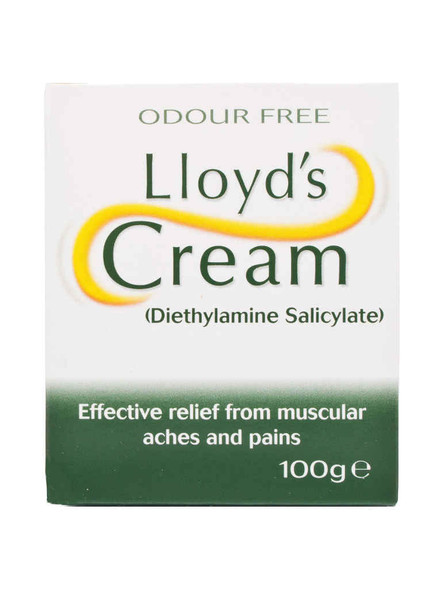
- Rub-in creams and lotions for massage-style, targeted application to the affected area
- Pain relief sprays for convenient, fast application without needing to rub in as much
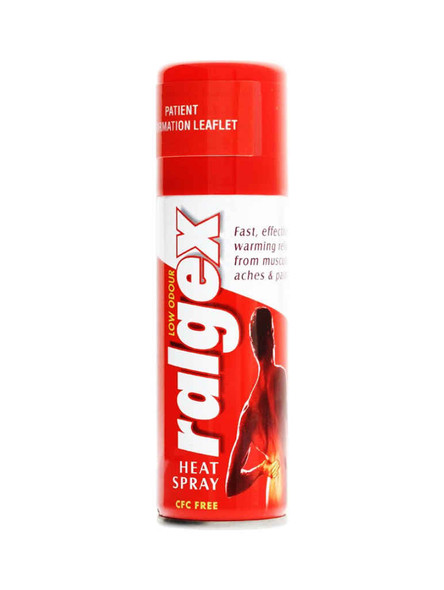
- Heat sprays for warming comfort where suitable, often used alongside gentle movement
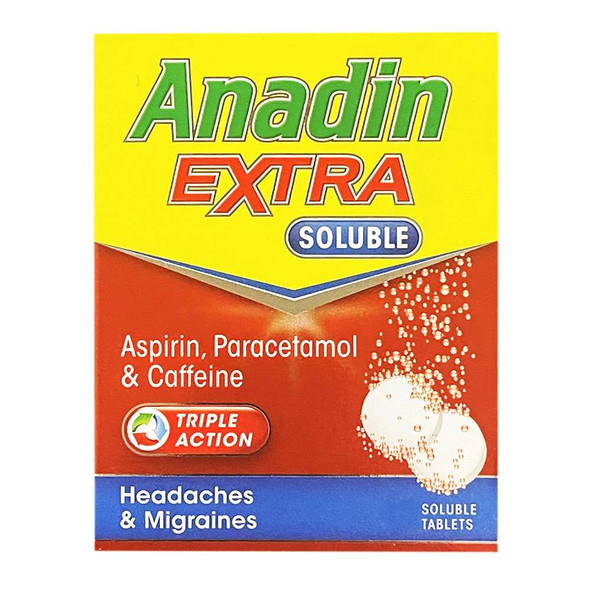
- Tablets and capsules for broader aches where appropriate and safe for you
- Supportive options (for example magnesium products) for general muscle comfort, where suitable
How to choose the right option
- Match the format to the problem area: localised discomfort may suit a topical cream, lotion or spray; broader aches may suit an oral option if appropriate.
- Check the active ingredient: avoid doubling up on the same ingredient across products (including some cold & flu remedies).
- Be cautious with anti-inflammatories: some topical and oral anti-inflammatory medicines aren’t suitable for everyone. Ask a pharmacist if you’re unsure.
- Use correctly: apply topicals as directed, wash hands after use, and don’t apply to broken or irritated skin unless the label says it’s suitable.
- Use the lowest effective amount for the shortest time: if discomfort keeps returning or worsens, get advice rather than continuing to self-treat.
Quick links: common needs
FAQs
What types of products are in the fibrositis category?
This page includes a mix of topical and oral formats commonly used for aches and pains, such as creams, lotions, sprays, warming heat sprays, and pain relief tablets and capsules. Product availability can vary by stock.
Are creams, lotions or sprays better for fibrositis discomfort?
It depends on preference and where the discomfort is. Creams and lotions can suit massage-style application, while sprays can be quicker and more convenient. Always follow the label and stop using a product if you get irritation or an unexpected reaction.
Can I use a topical product and take tablets at the same time?
Sometimes, but you must avoid overlapping active ingredients and check suitability warnings. If you take regular medicines, have long-term conditions, or you’re unsure, ask a pharmacist before combining products.
How quickly should I expect symptom relief?
Time to effect varies by product and person. Some topicals feel fast-acting on the skin, while tablets may take longer. Don’t exceed the stated dose or use more frequently than directed.
What should I check before buying?
Review age guidance, allergy information, and warnings (including pregnancy/breastfeeding and medicine interactions). For topicals, check advice about broken skin and whether the product should be used short term only.
When should I seek medical advice urgently?
Seek urgent help for chest pain, breathing difficulty, severe swelling or redness with heat, sudden weakness or numbness, severe pain after injury, or signs of a serious allergic reaction. Contact NHS 111 or your GP if symptoms are persistent, worsening, or unusual for you.
Safety note: This category content is general shopping guidance only and does not replace medical advice, diagnosis or treatment. Always read the label and patient information leaflet and follow directions. If you’re pregnant or breastfeeding, buying for a child, take regular medicines, or symptoms are severe, unusual or persistent, speak to a pharmacist, contact NHS 111, or your GP. In an emergency, call 999 or attend A&E.