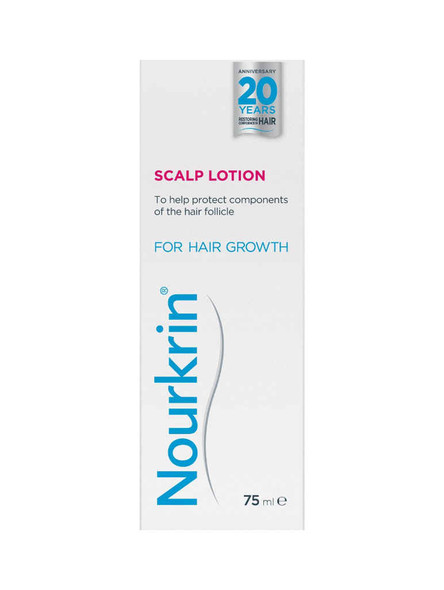
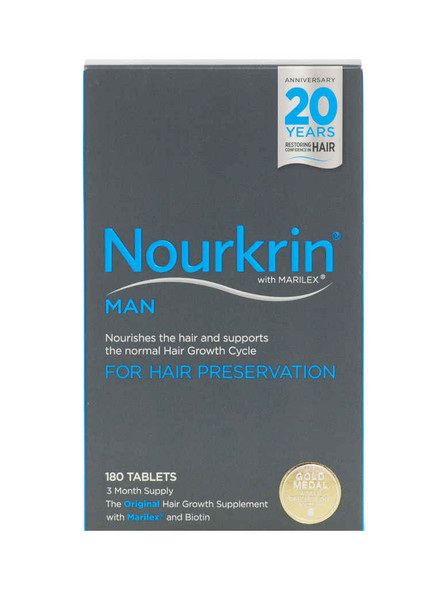
Hair loss can be gradual (thinning at the crown or hairline) or feel like increased shedding over time. In this Hair Loss category you’ll find UK pharmacy-friendly options that support common routines — including topical minoxidil (foam and solution), caffeine shampoos and leave-on scalp liquids, plus hair nutrition programme tablets designed to support normal hair growth.
To choose confidently, match the option to your main need and a routine you can maintain. Topical scalp treatments suit people happy with consistent application, while shampoos and tonics fit easily into wash-day routines. Tablets can suit those who prefer an internal nutritional programme. If hair loss is sudden, patchy, painful, or comes with scalp redness, swelling, significant itching, or other symptoms, it’s best to speak to a pharmacist or GP to check for an underlying cause before self-treating.
Shop by Hair Loss type
Popular types of hair loss products
- Topical minoxidil: foam or solution applied to the scalp as part of an ongoing routine (use as directed on the label).
- Caffeine shampoos: supportive cleansing to help maintain scalp comfort and hair feel.
- Leave-on scalp liquids & tonics: used alongside shampooing for routine scalp support.
- Hair nutrition programme tablets: designed to support normal hair growth from within.
- Multi-packs: practical options for repeat purchasing and longer routines.
How to choose the right option
- Start with the pattern: gradual crown/hairline thinning often differs from sudden shedding or patchy loss, so choose an option that matches your concern.
- Choose a routine you can stick with: scalp applications need consistency; tablets suit those who prefer a daily internal programme.
- Check who it’s labelled for: some options are labelled for men or women and may have different directions.
- Give it enough time: many options are assessed over weeks to months of regular use.
- Prioritise scalp comfort: if you develop burning, redness, swelling, or persistent itching, stop and seek advice.
- Keep it simple if you’re sensitive: avoid layering multiple leave-on products at once until you know how your scalp reacts.
Quick links: common needs
FAQs
What’s the difference between minoxidil foam and solution?
Both are topical formats applied to the scalp. Foam can feel quicker to apply for some people, while solution can be easier for targeted areas. Choose the option you can use consistently and follow the label and leaflet.
How long do hair loss products take to work?
Timelines vary by product and the cause of hair loss. Many routines are assessed over weeks to months of regular use. If you’re unsure what to expect, a pharmacist can help you choose a sensible next step.
Can women use minoxidil for thinning hair?
Some minoxidil products are specifically labelled for women with regular-strength directions. Seek advice before use if you are pregnant, breastfeeding, or trying to conceive.
Can I use shampoo or a tonic alongside minoxidil?
Supportive shampoos and some scalp-care products can often be used as part of the same routine. If you notice irritation, reduce complexity and follow the instructions for each product.
What should I do if my scalp becomes irritated?
If you develop burning, redness, swelling, or persistent itching, stop using the product and seek advice. If you’re using multiple products, reintroduce them one at a time to help identify what suits you.
What if my hair loss is sudden or patchy?
Sudden or patchy hair loss, scalp pain, or noticeable inflammation should be checked by a pharmacist or GP to rule out an underlying cause. It’s best not to self-treat until you’ve had advice.
Are hair nutrition tablets a good option?
Nutrition programmes may help support normal hair growth, particularly when diet or nutrient intake is a factor. They won’t suit every cause of hair loss, so seek advice if you have a medical condition or take regular medicines.
Pharmacy guidance: Hair loss has many possible causes and results vary between individuals. This content is for general information and shopping support only and does not replace medical advice. Always read the label and leaflet and use products as directed. If symptoms are new or worsening, or you have an underlying condition, speak to a pharmacist or your GP.