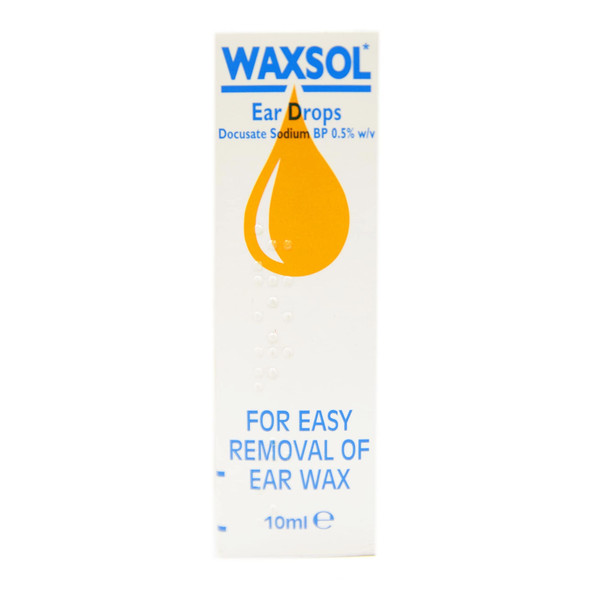
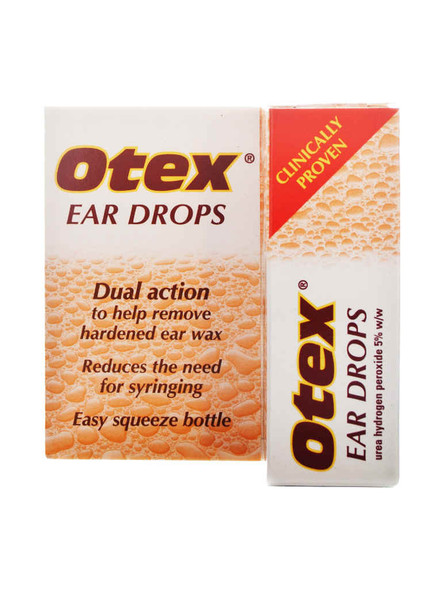
If you’re searching for “hearing loss” but what you’re noticing is muffled hearing, a blocked-ear feeling or reduced clarity, earwax build-up is a common cause. This category focuses on earwax removal treatments that may help soften and loosen wax at home, including quick-acting drops, wax-softening formulas and gentle olive oil drops or sprays.
Use earwax products exactly as directed and avoid cotton buds or inserting anything into the ear, as this can push wax deeper. For safety, do not self-treat if you have severe ear pain, discharge, bleeding, significant dizziness/vertigo, recent ear surgery, a known or suspected perforated eardrum, or sudden hearing loss (especially in one ear). If symptoms don’t improve after the recommended course, stop and seek advice from a pharmacist, GP, NHS 111 or an audiologist.
Shop by Hearing Loss type
Popular types of earwax treatments
- Fast-acting earwax drops to help break up and disperse wax
- Wax-softening ear drops for stubborn wax plugs
- Olive oil ear drops for gradual softening and comfort
- Olive oil ear sprays for easier, cleaner application
- Combi packs pairing drops with a bulb syringe (where suitable)
How to choose the right option
- Confirm it sounds like wax: fullness, blockage and muffled hearing can suggest wax; sudden hearing loss needs urgent assessment.
- Choose speed vs gentleness: quick-acting drops may suit stubborn wax; olive oil can be a gentler starting point for sensitive ears.
- Check suitability first: avoid earwax products if you have a perforated eardrum, infection, discharge, significant pain, or recent ear surgery.
- Pick the easiest applicator: sprays offer measured dosing; droppers can suit short treatment courses.
- Stick to the recommended course: if symptoms don’t improve after using as directed, stop and seek advice rather than repeating treatment.
- If blockage keeps returning: an audiologist or clinician can check the cause and advise on safe removal options.
Quick links: common needs
FAQs
Can earwax cause temporary hearing loss or muffled hearing?
Yes. Earwax can block the ear canal and cause muffled hearing, a blocked sensation, ringing noises or reduced clarity. If changes are sudden, severe or one-sided, seek urgent medical advice.
What’s the difference between fast-acting ear drops and olive oil?
Fast-acting drops are formulated to help break up and disperse wax, while olive oil products mainly soften wax gradually and may feel gentler. The best choice depends on your symptoms and the product directions.
How long should I use earwax removal drops for?
Follow the pack directions and patient information leaflet. Many products are intended for short courses. If you do not improve after the recommended course, stop and seek advice rather than repeating treatment.
When should I avoid earwax removal products?
Do not use earwax drops, sprays or kits if you have (or suspect) a perforated eardrum, ear infection, ear discharge, significant pain, swelling, recent ear surgery, or if the leaflet says it’s unsuitable. Ask a pharmacist if you’re unsure.
Can I use earwax treatments if I wear hearing aids?
Some products advise removing hearing aids during treatment. Follow the leaflet and don’t use drops while anything is in the ear canal unless directed. If wax build-up is frequent, an audiologist can advise on prevention and safe removal.
Are earwax removal kits with a bulb syringe safe?
They are not suitable for everyone. If you use a kit, follow the instructions carefully and stop if you feel pain, dizziness or worsening symptoms. Recurrent blockage is a reason to seek professional assessment.
When should I seek urgent help for hearing changes?
Seek urgent advice for sudden hearing loss (especially one ear), severe pain, discharge or bleeding, facial weakness, significant dizziness/vertigo, fever, or if you think something is stuck in your ear. NHS 111 can advise on the right next step.
Important: This information is general and does not diagnose hearing problems. These products may help when symptoms are related to earwax build-up, but they are not treatments for all causes of hearing loss. Always read the patient information leaflet and use as directed. If symptoms persist, recur, or you have pain, discharge, a suspected infection, a perforated eardrum, or sudden hearing loss, speak to a pharmacist, GP, NHS 111, or an audiologist before self-treating.