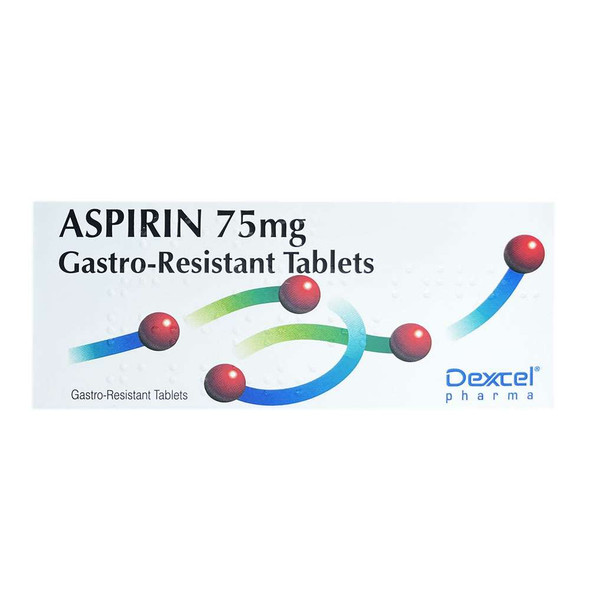
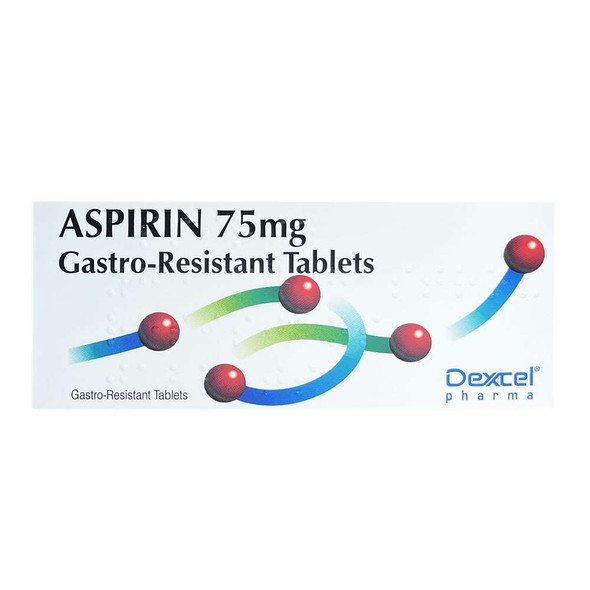
If you’re browsing heart attack products, you’re usually looking for low-dose aspirin (commonly aspirin 75mg) in a format that matches advice you’ve already been given. This page includes dispersible aspirin that dissolves in water for easier swallowing, and gastro-resistant (enteric-coated) tablets designed to pass through the stomach before dissolving.
WithAid is a UK based and regulated pharmacy and orders are sent in discreet packaging. To shop safely, keep your routine consistent: choose the same strength and format you’ve been advised to use, then pick a pack size that suits you. If your instructions are unclear, you’re switching format, or you take other medicines (especially blood thinners), speak to a pharmacist or GP before ordering.
Shop by Heart Attack type
Popular types of products
- Aspirin 75mg dispersible tablets (dissolve in water)
- Aspirin 75mg gastro-resistant tablets (enteric-coated)
- “Cardio” aspirin 75mg gastro-resistant tablets (brand option)
- Aspirin 300mg dispersible tablets (higher strength format)
- Pack sizes for repeat use (28, 56, 100 tablets)
How to choose the right option
- Stick to your advised strength and do not change dose unless a clinician tells you to.
- Match the format: dispersible may help if swallowing is difficult; gastro-resistant is an enteric-coated option some people are advised to use.
- Check bleeding and stomach risk if you’ve had ulcers, black stools, easy bruising, or unexplained bleeding.
- Review interactions if you take anticoagulants, other antiplatelets, NSAIDs (including ibuprofen), steroids, or SSRIs.
- Confirm suitability if you have asthma sensitivity, gout, kidney problems, or you’re pregnant or breastfeeding.
- Don’t use online shopping for urgent symptoms: suspected heart attack symptoms need emergency help.
Quick links: common needs
FAQs
Is low-dose aspirin the same as “cardio” aspirin?
They’re both commonly used to describe aspirin 75mg taken as an antiplatelet medicine. “Cardio” often refers to a gastro-resistant brand, so it’s important to match the strength and format you’ve been advised to use.
What’s the difference between dispersible and gastro-resistant aspirin 75mg?
Dispersible aspirin dissolves in water, which some people find easier to take. Gastro-resistant tablets have an enteric coating designed to pass through the stomach before dissolving. If you’re unsure which you need, ask a pharmacist.
Who should avoid aspirin, or should check first?
Some people need extra caution, including those with a history of stomach ulcers or bleeding, bleeding disorders, aspirin allergy, certain asthma sensitivities, kidney problems, or those who are pregnant or breastfeeding. If any apply, speak to a pharmacist or GP before using aspirin.
Can I switch between 75mg and 300mg aspirin?
Don’t change strength unless you’ve been specifically advised to do so by a clinician. If your directions change, choose the product that matches the updated instructions and ask a pharmacist if you’re unsure.
Can I take aspirin with ibuprofen or other painkillers?
Some painkillers can increase bleeding risk or interfere with aspirin’s effect. If you take other medicines or need regular pain relief, speak to a pharmacist before combining products.
Can I reorder the same aspirin each month?
Many people reorder the same strength and format as part of a consistent routine. If anything changes (new medicines, new symptoms, side effects, or updated clinical advice), check with a pharmacist or GP before you reorder.
When should I seek urgent medical help?
If you think you or someone else may be having a heart attack—such as chest pressure or pain, breathlessness, sweating, nausea, or pain spreading to the arm, jaw, neck or back—call 999 immediately. Do not delay to shop online.
Important safety information: This content is general information and does not replace medical advice. Aspirin can increase bleeding risk and may not be suitable for everyone. Always read the label and patient information leaflet, and take aspirin only as directed by your prescriber or a pharmacist. If symptoms are severe, unusual, or worsening, seek urgent medical help; in an emergency call 999.