Heavy periods (also called heavy menstrual bleeding or menorrhagia) can be difficult to manage — especially when they come with cramps, pelvic aching and ongoing discomfort. This category focuses on over-the-counter options that can help with period pain relief and everyday aches, so you can compare trusted brands and easy-to-take formats like tablets, fast-acting capsules and self-dissolving meltlets in one place.
Because heavier bleeding can have different causes, it’s sensible to manage symptoms you can treat today (pain and discomfort) while paying attention to changes in your cycle. If your bleeding is new or getting worse, lasts longer than usual for you, happens between periods or after sex, or is affecting daily life, speak to a pharmacist or your GP for advice and assessment. If you’re unsure what’s suitable (especially with long-term conditions, regular medicines, or pregnancy/breastfeeding), a pharmacist can help you choose safely.
Shop by heavy periods type
Popular types of heavy periods products
- Paracetamol period pain tablets for mild to moderate pain
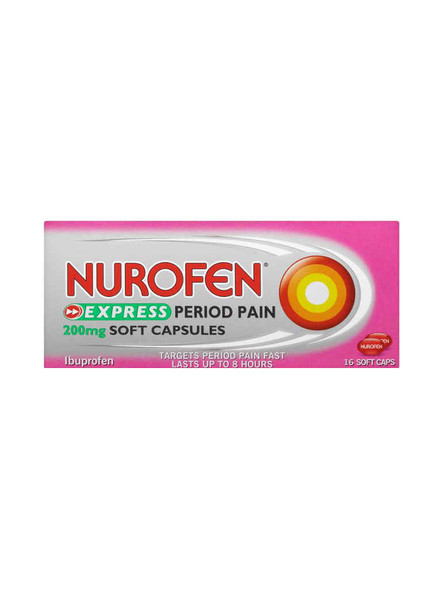
- Ibuprofen period pain capsules (anti-inflammatory option; not suitable for everyone)
- Fast-acting period pain capsules for cramp-focused relief
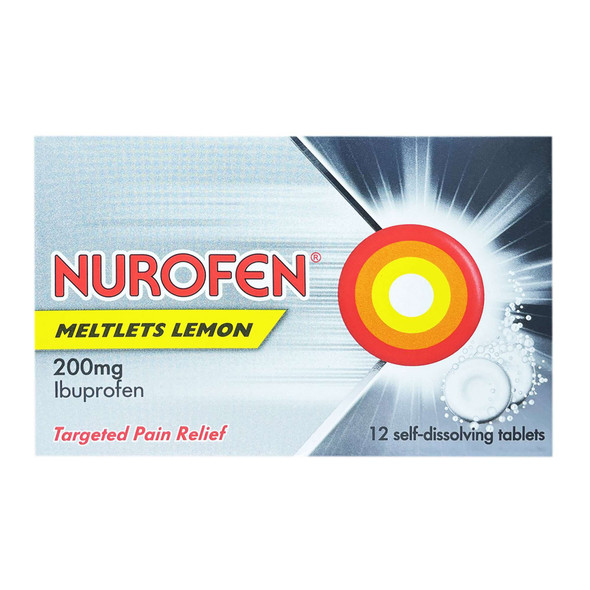
- Self-dissolving meltlets (no water needed — convenient on the go)
How to choose the right option
- Start with your main symptom: crampy pain, pelvic aching, back pain or general discomfort.
- Choose by active ingredient: many people consider paracetamol for general pain, or ibuprofen for inflammation-related cramps, if suitable.
- Check suitability before ibuprofen: it may not be appropriate if you’ve had stomach ulcers/bleeding, certain heart/kidney conditions, NSAID-sensitive asthma, or you take some regular medicines.
- Avoid doubling up: don’t combine products containing the same active ingredient (for example, paracetamol with another paracetamol product).
- Pick the format that fits your routine: tablets for home, capsules for convenience, or meltlets if you don’t have water.
- Follow pack directions: use the lowest effective dose for the shortest time and stick to maximum daily limits.
Quick links: common needs
FAQs
What counts as a heavy period?
Heavy periods often means bleeding that feels excessive for you — such as needing to change protection very frequently, bleeding for longer than usual, passing large clots, or bleeding that disrupts sleep, work or plans. If it’s a change for you or it’s affecting your life, seek advice.
Do these products reduce the amount of bleeding?
The products in this category are intended to help with period pain and discomfort. If your main concern is reducing heavy bleeding, speak to a pharmacist or GP about appropriate options and whether you need assessment.
Should I choose ibuprofen or paracetamol for cramps?
Both are commonly used. Ibuprofen is an anti-inflammatory medicine (not suitable for everyone), while paracetamol is often used for general pain. Check the label and ask a pharmacist if you’re unsure what’s suitable for you.
Are “period pain” branded products different from standard pain relief?
Often the key differences are branding and format. Compare the active ingredient, strength and directions on the pack to choose what suits your needs.
What’s the difference between capsules and meltlets?
Capsules can be a convenient, easy-to-swallow format, while meltlets are designed to dissolve on the tongue without water. The best choice is the one you can take reliably while following the directions on the pack.
Could heavy periods make you feel tired or run down?
Heavy bleeding can sometimes be associated with low iron and tiredness. If you feel unusually fatigued, dizzy, short of breath, faint, or notice paleness, seek medical advice so the cause can be checked.
When should I get urgent medical help?
Seek urgent medical help if you have severe bleeding with dizziness or fainting, severe abdominal/pelvic pain, chest pain, shortness of breath, or you’re worried something isn’t right. Otherwise, get advice if heavy bleeding is affecting your life, you bleed between periods/after sex, or symptoms are new or worsening.
Safety notice: Always read the label and follow the directions. Pain relief medicines are not suitable for everyone and may interact with other medicines or health conditions. This page is for general guidance and does not replace medical advice. If symptoms are severe, persistent, unusual, or you’re unsure what to choose, speak to a pharmacist or your GP. In an emergency, call 999 or attend A&E.
About our pharmacy: Withaid is a UK based and regulated pharmacy, and orders are sent via Royal Mail in discreet packaging. If you need tailored advice, contact the team before purchasing.