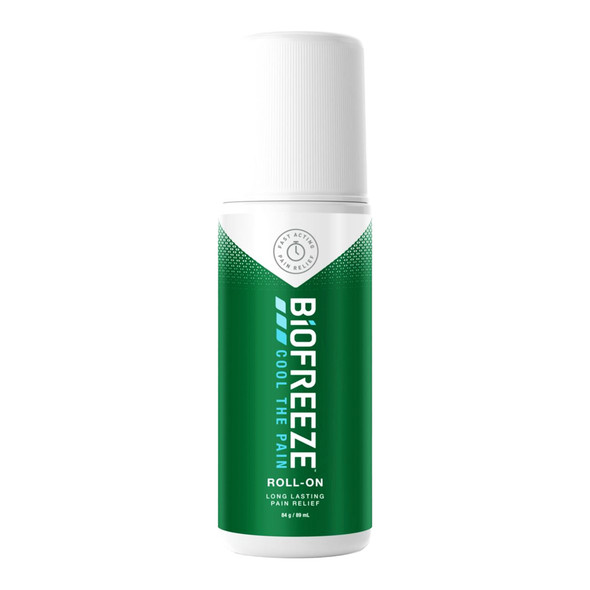
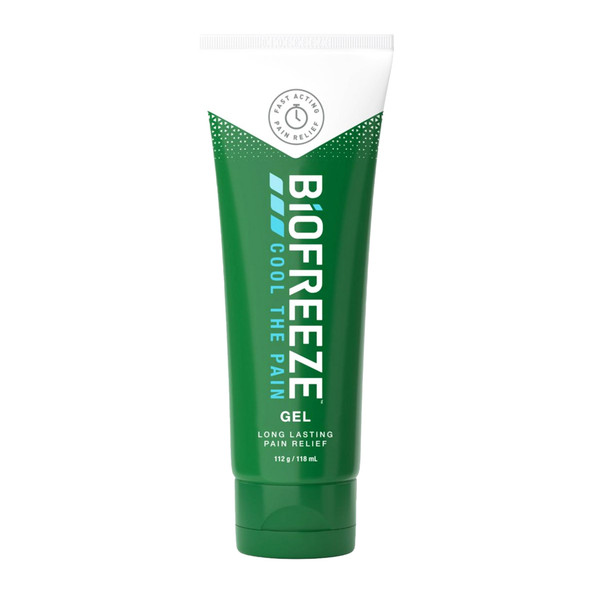
Heel pain can make walking, standing and exercise uncomfortable — whether it’s a sharp ache on first steps, soreness after activity, or irritation from rubbing in shoes. This category brings together practical UK pharmacy options people commonly shop for to help manage heel discomfort, including topical pain relief gels, cooling sprays and roll-ons, supportive kinesiology tape, and cushioning padding to reduce friction and pressure points. You’ll also find foot-care essentials for dry, cracked heels where skin discomfort is part of the issue.
UK based and regulated pharmacy: WithAid provides clear suitability guidance on each product. Always read the label and leaflet, follow directions, and check warnings and interactions — especially if you take regular medicines, have long-term conditions, or are pregnant or breastfeeding. If heel pain is persistent, keeps returning, or you’re unsure of the cause (for example pain under the heel, at the back of the heel, or along the arch), seek advice from a pharmacist, GP or NHS 111.
Shop by heel pain type
Popular types of heel pain relief products
- Anti-inflammatory gels for targeted aches where suitable (check warnings and interactions)
- Cooling gels, sprays and roll-ons for quick, convenient topical comfort after activity
- Kinesiology tape for supportive taping during movement (use as directed)
- Cushioning padding and blister protection to reduce friction and pressure in shoes
- Heel balms and foot creams for dry, cracked heels and skin comfort
How to choose the right option
- Match the trigger: rubbing and pressure points often suit padding, while overuse aches may suit a topical option alongside rest.
- Choose a format you’ll use consistently: gels for rub-in use, sprays/roll-ons for speed, padding for all-day shoe comfort.
- Check ingredients and interactions: avoid doubling up on similar ingredients across products (including some cold and flu remedies).
- Use anti-inflammatories with care: topical and oral anti-inflammatories are not suitable for everyone; follow warnings closely.
- Think footwear and support: supportive shoes or inserts can be recommended for some causes of heel pain; ask a pharmacist, podiatrist or GP if you think this may apply.
- Know when to get advice: severe pain, inability to bear weight, swelling, heat, redness, numbness/tingling, or persistent symptoms need pharmacist, GP or NHS 111 guidance.
Quick links: common needs
FAQs
What product should I start with for heel pain?
Start with what best fits your symptoms and routine: topical gels for targeted use, sprays or roll-ons for convenience, and padding if rubbing or pressure in shoes is a main trigger. If you’re unsure what’s suitable, a pharmacist can help you choose.
Can anti-inflammatory gels help heel pain?
Some heel discomfort may be linked to inflammation or overuse, and an anti-inflammatory gel can be an option where suitable. These products have warnings and interactions, so check the label carefully and speak to a pharmacist if you take regular medicines or have long-term conditions.
Can I use a topical gel and also use other pain relief products?
Sometimes, but avoid doubling up on similar ingredients or using multiple anti-inflammatory products inappropriately. Follow pack directions and ask a pharmacist if you’re not sure what can be safely combined.
What if my heel pain is worst first thing in the morning?
Some people notice heel pain more after rest or on first steps. Pharmacy products may help with symptom management, but persistent or recurring pain benefits from assessment and tailored advice on self-care and treatment options.
Do insoles, heel cushions or orthotic inserts help heel pain?
Supportive inserts and heel cushioning can be recommended for some causes of heel pain, depending on symptoms and footwear. If you think inserts may be relevant, speak to a pharmacist, podiatrist or GP for advice on the most appropriate option.
What are the red flags for heel pain?
Seek urgent advice if pain is severe, follows an injury, you cannot bear weight, or you have swelling, heat, redness, numbness or tingling, fever, an open wound, or sudden worsening symptoms.
When should I speak to a pharmacist, GP, or NHS 111?
Speak to a pharmacist, GP, or contact NHS 111 if symptoms persist, keep returning, or you have diabetes, poor circulation, or reduced sensation in your feet. These situations may need earlier assessment.
Safety information: This is general shopping guidance and does not replace medical advice. Always read and follow the product label and leaflet. If you’re unsure what’s causing your heel pain, symptoms are severe or persistent, or you have an underlying condition (including diabetes), speak to a pharmacist or GP, or contact NHS 111.