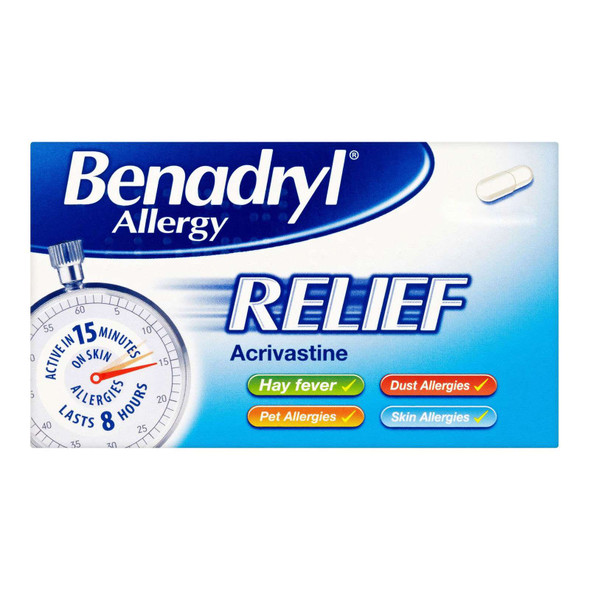
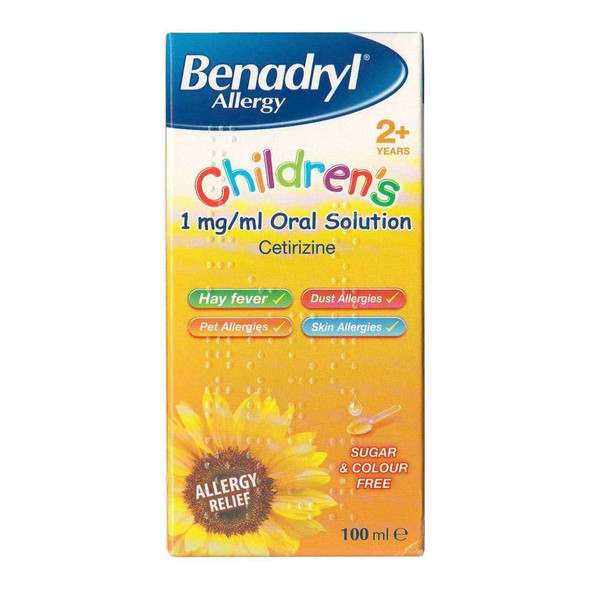
Hives (urticaria) are itchy, raised welts that can appear suddenly and may fade and reappear in different areas. Most people shopping this category want quick itch relief, a reliable daytime antihistamine, or a night-time option for flare-ups that interrupt sleep. withaid is a UK based and regulated pharmacy, offering a focused range of hives treatments with fast, free delivery on orders over £20 and Royal Mail dispatch in discreet packaging.
Many shoppers start with an oral antihistamine for widespread itching and wheals, then add a soothing anti-itch cream for local discomfort. If your hives keep coming back, you can’t identify a trigger (such as illness, stress, heat/cold, pressure, bites or allergies), or symptoms don’t settle, a pharmacist can help you choose a suitable option and advise when a GP review is needed. Persistent hives lasting 6 weeks or more are often described as chronic urticaria and should be discussed with a clinician.
Shop by hives product type
Popular types of products
- Once-daily antihistamine tablets: often chosen for daytime hives and itching when taken as directed.
- Fast-acting allergy capsules: a popular format for sudden flare-ups (always follow dosing guidance).
- Antihistamine liquids and oral solutions: useful if you prefer a measured liquid dose or need an alternative to tablets.
- Drowsy antihistamines for night: may cause sleepiness and can affect driving and concentration.
- Soothing anti-itch creams: topical support for localised itching and irritation alongside oral options where appropriate.
How to choose the right option
- Pick based on symptom spread: widespread hives usually suit an oral antihistamine; localised itching may also benefit from a topical anti-itch cream.
- Plan for daytime vs night-time: many people prefer less drowsy options in the day; drowsy options can impair driving and should be used with caution.
- Choose a format you’ll take correctly: tablets and capsules are convenient, while liquids can be easier for those who struggle to swallow tablets.
- Check suitability on the label: take extra care if you’re pregnant or breastfeeding, have long-term conditions, or take other medicines.
- Avoid doubling up antihistamines: don’t take more than one antihistamine at the same time unless a pharmacist advises it.
- Know when to seek advice: if hives persist beyond a few days, recur often, or continue for 6+ weeks, get pharmacist advice and consider GP review.
Quick links: common needs
FAQs
What are hives (urticaria) and what do they look like?
Hives are raised, itchy welts that can be red or skin-coloured. They often appear quickly and can fade and return in different areas. If you’re not sure whether a rash is hives, ask a pharmacist for advice.
What can trigger hives?
Triggers can include infections, stress, heat, cold, pressure on the skin, insect bites or stings, contact reactions, and allergies (including foods). Sometimes no clear trigger is found, especially with recurrent symptoms.
What is usually the first-choice option for hives relief?
Many people start with an oral antihistamine to help manage itching and wheals. The best choice depends on age, other medicines, and whether you need a daytime (less drowsy) option. Always follow the pack instructions and patient information leaflet.
Can I use an anti-itch cream as well as an oral antihistamine?
Some people add a topical anti-itch cream for local discomfort alongside an oral antihistamine. Check the label carefully for suitability and ask a pharmacist if you’re combining products or treating children.
How long should hives last before I seek advice?
If hives don’t improve after a few days, keep returning, disturb sleep, or you’re needing repeated treatment, speak to a pharmacist. If symptoms continue for 6 weeks or more, a GP review is recommended.
Are “drowsy” antihistamines OK to take?
Some antihistamines can cause drowsiness. If you choose a product that may make you sleepy, avoid alcohol and do not drive or use machinery if affected. If you’re unsure which option is safest for you, ask a pharmacist.
When should I get urgent medical help?
Seek urgent help if you have swelling of the lips, tongue, face or throat, wheezing, breathing difficulty, chest tightness, or feel faint or very unwell. These can be signs of a serious allergic reaction and need immediate assessment.
Safety information: Always read the label and patient information leaflet before using medicines. Hives treatments may not be suitable for everyone, especially if you’re pregnant or breastfeeding, have long-term conditions, or take other medicines. If symptoms persist, worsen, or you have facial/throat swelling or breathing difficulty, seek urgent medical advice.