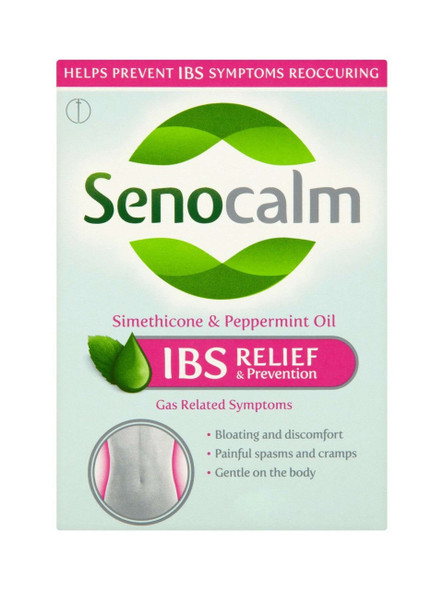
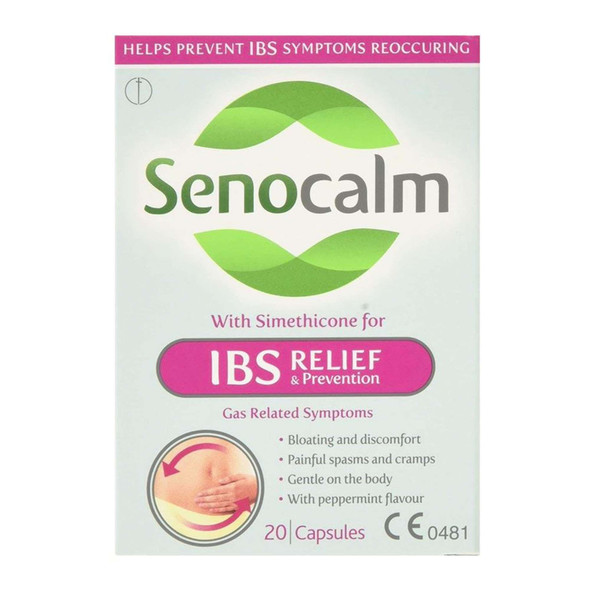
Shop IBS relief products to help support common symptoms such as abdominal cramps and spasms, bloating and wind, diarrhoea, and constipation. In this category you’ll find familiar UK pharmacy formats including IBS-labelled anti-diarrhoea capsules (loperamide), antispasmodic tablets for cramping, and fibre drink sachets (ispaghula husk) to help support bowel regularity. You may also see options that contain ingredients such as simethicone and peppermint oil, often chosen for wind and bloating discomfort.
IBS symptoms can overlap with other digestive conditions, so it helps to choose based on your main symptom pattern (IBS-D, IBS-C, or mixed) and always read the label for age guidance, suitability and warnings. Some IBS-specific medicines are intended for adults with a prior IBS diagnosis—check the product information before use. Seek urgent medical advice if you have blood in stools, severe or worsening abdominal pain, persistent vomiting, unexplained weight loss, or signs of dehydration.
Shop by IBS type
Popular types of IBS products
- IBS-labelled anti-diarrhoea capsules (loperamide) – commonly used for IBS-related diarrhoea where appropriate (follow the label).
- Antispasmodic tablets – often chosen to help ease abdominal cramping and spasms.
- Fibre drink sachets (ispaghula husk) – used to increase fibre intake and support regular bowel movements.
- Simethicone products – commonly used for trapped wind and bloating discomfort.
- Peppermint oil capsules – often chosen for IBS-related discomfort and bloating.
How to choose the right option
- Match the product to your main symptom: diarrhoea, constipation, cramps/spasms, or bloating/wind.
- Check “diagnosed IBS” guidance: some IBS-labelled medicines specify use only if IBS has been diagnosed by a doctor—follow the product guidance.
- Review suitability and duration: check age limits, maximum length of use, and pregnancy/breastfeeding advice where relevant.
- Avoid duplicating active ingredients: if using more than one product, compare actives to reduce the risk of taking similar ingredients twice.
- Know when to get advice: speak to a pharmacist or GP if symptoms are new, changing, severe, or not improving.
Quick links: common needs
FAQs
Do I need an IBS diagnosis to use IBS-labelled medicines?
Some products state they’re intended only for adults who have already been diagnosed with IBS by a doctor. Always follow on-pack guidance and ask a pharmacist or GP if you’re unsure what’s appropriate.
What’s commonly used for IBS-related diarrhoea?
IBS-related diarrhoea options often include loperamide-based capsules. Follow dosing directions and check suitability, especially if you take regular medicines or have other health conditions.
What can I consider for IBS constipation?
Many people consider fibre drink sachets (such as ispaghula husk) alongside hydration and diet changes to support regularity. If constipation is persistent, severe, or new for you, seek advice from a pharmacist or GP.
What can help with cramps and spasms?
Antispasmodic tablets are commonly used to help ease abdominal cramping and spasms. Read the leaflet carefully and speak to a pharmacist if you need help choosing between formats.
What can I try for bloating and wind?
Options may include simethicone and peppermint oil products for trapped wind and bloating discomfort. If bloating is persistent, worsening, or comes with other worrying symptoms, get medical advice.
When should I seek urgent medical advice?
Seek urgent help if you have severe or worsening abdominal pain, blood in stools, unexplained weight loss, persistent vomiting, signs of dehydration, a high temperature with diarrhoea, or symptoms that are new or significantly different for you.
Important: This page is for general guidance and does not replace medical advice, diagnosis, or treatment. Always read the label and follow directions. Do not exceed stated doses. If you are pregnant or breastfeeding, buying for a child, taking other medicines, or symptoms are severe, unusual, or persistent, speak to a pharmacist or GP. In an emergency, call 999 or attend A&E.