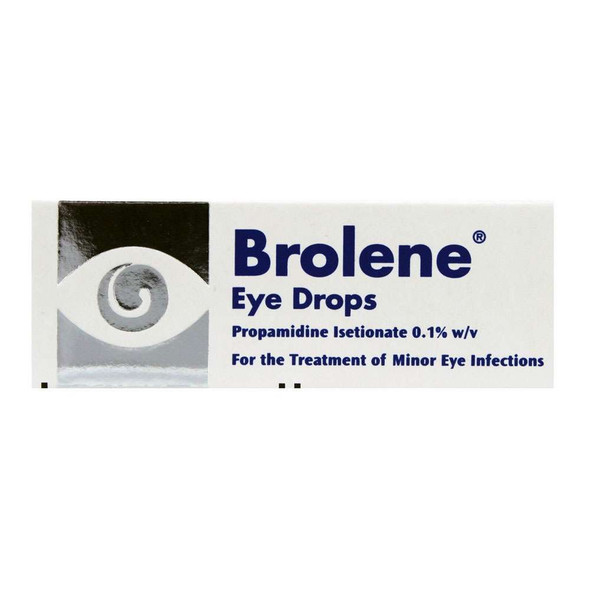
Shop infective conjunctivitis (“pink eye”) treatments from WithAid, a UK based and regulated pharmacy. This category focuses on the products shown on this page for managing symptoms linked with minor eye infections. You’ll typically see anti-infective/antiseptic eye drops (including propamidine-based drops) and an antibiotic eye ointment containing chloramphenicol for acute bacterial conjunctivitis when it’s suitable for you.
Because red or sticky eyes can have different causes (including viral infection, bacterial infection, allergy or irritation), the best option depends on your symptoms and the product guidance. Always read the label and patient information leaflet and use exactly as directed. Seek urgent medical advice for eye pain, sensitivity to light, a change in vision, significant swelling, a foreign body in the eye, injury/chemical exposure, or rapidly worsening symptoms. Contact lens wearers should stop wearing lenses during symptoms and seek prompt advice if the eye is red or painful.
Shop by Infective Conjunctivitis type
- Antibiotic eye ointment (chloramphenicol) for acute bacterial conjunctivitis (when suitable)
- Anti-infective/antiseptic eye drops for minor eye or eyelid infections (where indicated)
- Options for common symptoms such as redness, stickiness/discharge and irritation
- Short-course pharmacy treatments with clear age and safety guidance
Popular types of infective conjunctivitis products
- Chloramphenicol antibiotic eye ointment used for acute bacterial conjunctivitis when appropriate and suitable
- Propamidine-based anti-infective eye drops used for minor eye or eyelid infections where stated on-pack
- Antiseptic/anti-infective drops chosen for minor infections and irritation, depending on the product instructions
How to choose the right option
- Match to symptoms: sticky discharge may suggest infection; itchiness and watering can also be allergy-related.
- Choose a format: drops are often practical for daytime; ointment may be used at night but can blur vision temporarily.
- Check suitability: confirm age guidance and warnings (especially for pregnancy/breastfeeding, allergies, or eye conditions).
- Contact lenses: stop wearing lenses while you have symptoms and follow the product advice on when to restart.
- Know when to escalate: get urgent help for eye pain, light sensitivity, vision changes, severe swelling, injury/chemical exposure, or worsening symptoms.
Quick links: common needs
FAQs
Is infective conjunctivitis always bacterial?
No. It can be viral or bacterial. Antibiotic treatments are intended for acute bacterial conjunctivitis when suitable; if you’re unsure, ask a pharmacist for advice.
How do I choose between anti-infective drops and antibiotic ointment?
Anti-infective/antiseptic drops may be used for minor eye or eyelid infections where indicated on the product. Chloramphenicol antibiotic eye ointment is for acute bacterial conjunctivitis when appropriate and suitable. Always follow the label and patient leaflet.
How quickly should symptoms improve?
It varies. If symptoms are worsening, not starting to improve within a few days, or you’re concerned at any point, speak to a pharmacist or contact your GP/NHS services for assessment.
Can children use conjunctivitis treatments?
Some products have age restrictions. Always check the age guidance on the label and patient information leaflet, and ask a pharmacist if you’re treating a child.
Can I wear contact lenses with conjunctivitis?
It’s usually best to stop wearing contact lenses while you have symptoms. If you wear lenses and have a red or painful eye, seek advice promptly.
How can I reduce the chance of spreading it?
Wash hands regularly, avoid touching or rubbing your eyes, don’t share towels, and replace eye makeup and any eye products used during symptoms.
Important: This information is for general guidance only and does not replace medical advice. Always read the label and patient information leaflet. Seek urgent care for eye pain, sensitivity to light, vision changes, significant swelling, injury/chemical exposure, a foreign body in the eye, or rapidly worsening symptoms.