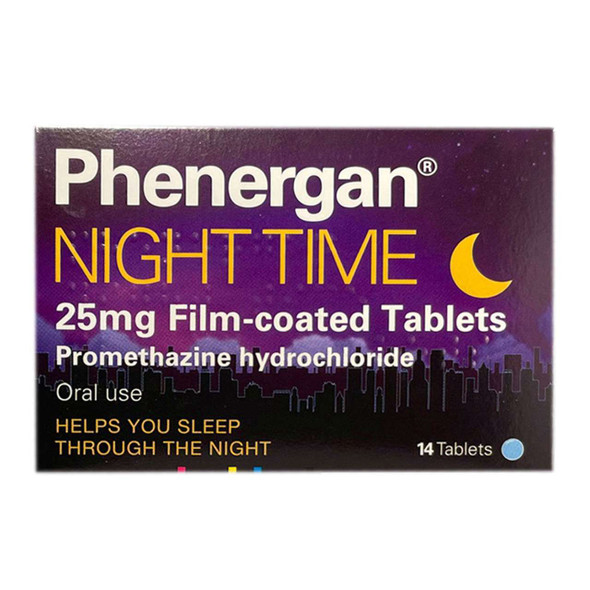
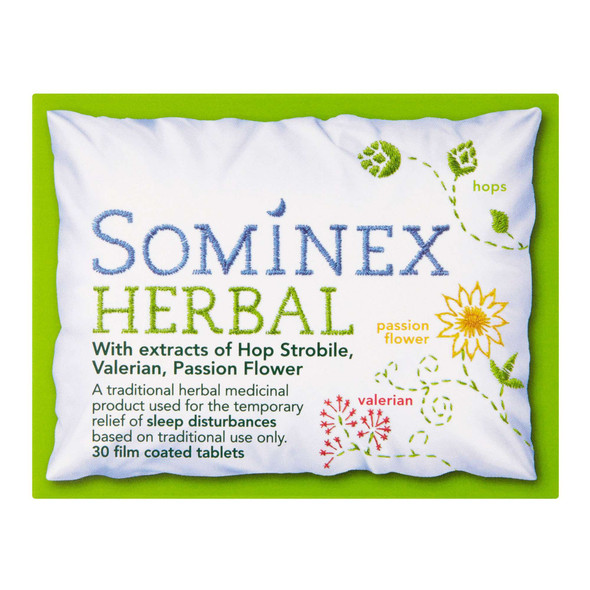
Shop insomnia treatments and sleep aids for temporary sleep disturbance at WithAid, a UK based and regulated pharmacy. This category includes the types shown on the page, such as night-time sleep aid tablets (including sedating antihistamine options), liquid sleep aid solutions, traditional-use herbal sleep support, and magnesium sleep sprays as a non-tablet alternative. Use the product listings to compare format, strength, pack size and label guidance so you can choose an option that fits your bedtime routine.
If your sleep has been disrupted by a change in routine (for example travel, shift patterns or short-term stress), a short-course option may be suitable while you also work on good sleep habits. If symptoms persist for more than a few weeks, keep returning, or you’re unsure what’s appropriate (including if you take other medicines, have a long-term condition, are pregnant or breastfeeding, or you’re buying for someone under 16), speak to a pharmacist or GP first. Orders are sent by Royal Mail in discreet packaging, with fast, free delivery on orders over £20.
Shop by insomnia type
- Difficulty falling asleep (short-term night-time sleep aids)
- Waking during the night (short-term support where label-suitable)
- Temporary sleep disturbance after routine changes
- Traditional-use herbal sleep support for mild sleep disturbance
- Non-tablet bedtime routine options (magnesium sleep sprays)
Popular types of insomnia products
- Night-time sleep aid tablets: commonly chosen for short-term use; check the label for drowsiness warnings and age guidance.
- Liquid sleep aid solutions: an alternative format for adults who prefer liquids over tablets.
- Herbal sleep remedies: traditional-use options often chosen for gentle bedtime support.
- Magnesium sleep sprays: a non-tablet format some people use as part of a wind-down routine.
How to choose the right option
- Start with your sleep pattern: trouble drifting off vs waking during the night can help you pick a first option.
- Check short-term use guidance: many OTC sleep aids are intended for temporary sleep disturbance only—read the label and leaflet.
- Plan for next-day alertness: some products may cause drowsiness; follow warnings and take extra care with driving or machinery.
- Review suitability: check age limits, pregnancy/breastfeeding warnings, allergies, and medicines you already take.
- Keep it simple: avoid doubling up on similar ingredients or multiple night-time products unless advised by a pharmacist.
- Support your routine: keep a consistent wake time, avoid caffeine later in the day if it affects you, and limit bright screens close to bedtime.
Quick links: common needs
FAQs
What products are included in this insomnia category?
This category includes options commonly used for temporary sleep disturbance, such as night-time sleep aid tablets, liquid sleep aid solutions, traditional-use herbal sleep support, and magnesium sleep sprays.
Are over-the-counter sleep aids suitable for long-term insomnia?
Many OTC sleep aids are intended for short-term use only. If sleep problems persist for more than a few weeks, keep returning, or affect daily life, speak to a pharmacist or GP for advice and assessment.
How do I choose between tablets, liquids, herbal options and sprays?
Choose a format you can use consistently and that suits your preferences. Always read the label and patient leaflet for dosing, age guidance and warnings, and ask a pharmacist if you’re unsure what’s suitable.
Can I take a sleep aid with other medicines or alcohol?
Some ingredients can interact with other medicines or increase drowsiness. Check the product information carefully and speak to a pharmacist if you take regular medication. Follow label advice about alcohol.
Will a sleep aid affect driving or work the next day?
Some products may cause next-day drowsiness or slower reaction times. Follow label warnings, allow enough time for sleep, and take extra care with driving or operating machinery if drowsiness is possible.
When should I seek urgent help?
Seek urgent medical help if you have severe breathing difficulty, chest pain, signs of a severe allergic reaction, or you feel acutely unwell. For urgent advice use NHS 111; in an emergency call 999 or attend A&E.
Safety information: This content is for general guidance only and does not replace medical advice, diagnosis or treatment. Always read the label and follow directions. Do not exceed the stated dose. If symptoms are severe, unusual or persistent, or if you are pregnant/breastfeeding, buying for a child, or taking other medicines, speak to a pharmacist or GP before use.