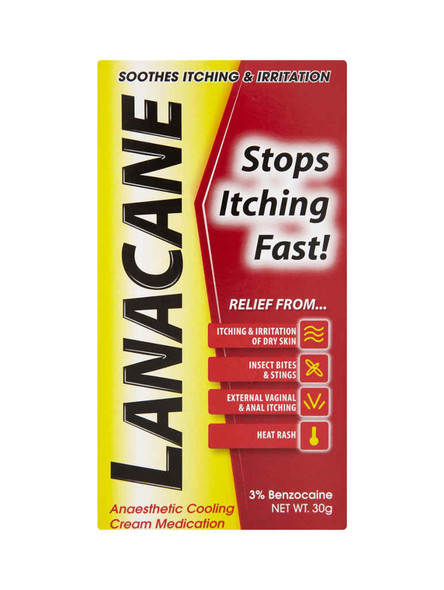
Shopping for itchy vagina relief? This category is for products that may help soothe external vaginal itching and irritation while you work out what’s triggering symptoms. Itching can be linked to everyday irritation (for example fragranced soaps or wipes, shaving, detergents, tight clothing, sweating or friction) as well as infections such as thrush. Because symptoms can overlap, the safest approach is to choose an option that matches your symptoms, use it exactly as directed, and avoid trying multiple new products at the same time.
WithAid is a UK based and regulated pharmacy, with orders sent by Royal Mail in discreet packaging. This page currently includes a medicated cream product, plus related shopping routes for supportive care. If symptoms are new to you, not improving within a few days, keep coming back, or you’re unsure of the cause, speak to a pharmacist, sexual health clinic, or your GP for advice before continuing treatment.
Shop by Itchy Vagina type
- Medicated anti-itch creams (external use)
- Soothing intimate washes and wipes (gentle cleansing support)
- Antihistamines (when itching may be allergy-related)
- Barrier/soothing ointments (for chafing or friction)
- Antifungal options (when thrush is suspected)
Popular types of products
- Medicated creams to help calm external itching and irritation
- Intimate washes & wipes for gentle, comfort-focused hygiene support
- Antihistamines for allergy-linked itching (where appropriate)
- Sexual health essentials for broader intimate care needs
How to choose the right option
- Check the symptom pattern: external itch only vs itch with soreness, burning, swelling, pain, or unusual discharge.
- Think about triggers: new products (washes, wipes, lubricants), shaving, detergents, sweating, friction, or recent antibiotics.
- Match the product to your need: medicated creams may help external irritation; washes/wipes support gentle cleansing (they do not treat infections); antihistamines may help when itching is allergy-related.
- Read the label carefully: age limits, allergies, pregnancy/breastfeeding advice, and maximum duration of use.
- Keep it simple while symptoms settle: avoid douching, pause fragranced products, and use breathable underwear.
- Get medical advice promptly if symptoms are severe, worsening, recurring, or you’re unsure what you’re treating.
Quick links: common needs
FAQs
What can cause vaginal itching?
Common causes include irritation from fragranced products (soaps, wipes, bubble baths), shaving, sweating, tight clothing, allergies/sensitivity, and infections such as thrush. If you’re unsure of the cause, ask a pharmacist for help choosing an appropriate option.
How do I know if it could be thrush or something else?
Symptoms can overlap. If it’s your first time with these symptoms, they’re different from usual, they keep returning, or you have unusual discharge, it’s best to seek advice from a pharmacist, GP, or sexual health clinic before self-treating.
Do intimate washes or wipes treat infections?
No. They can support gentle external hygiene and comfort, but they do not treat thrush, BV, or STIs. If you suspect an infection or symptoms persist, seek medical advice.
How long should I try an OTC product before getting advice?
If symptoms don’t start to improve within a few days, worsen, or keep coming back, speak to a pharmacist or GP to make sure you’re using the right approach.
When should I seek urgent medical advice?
Seek urgent advice if you have severe pelvic or abdominal pain, fever, sores/blisters, significant swelling, unusual bleeding, or you feel unwell, or if you have new/severe symptoms during pregnancy.
Can I use these products if I’m pregnant or breastfeeding?
Some treatments may not be suitable. Always check the product guidance and ask a pharmacist or GP before using medicines for vaginal symptoms during pregnancy or breastfeeding.
Always read the label and use medicines as directed. This information is not a substitute for medical advice. If symptoms persist, worsen, recur frequently, or you’re concerned, speak to a pharmacist, NHS 111, a sexual health clinic, or your GP.