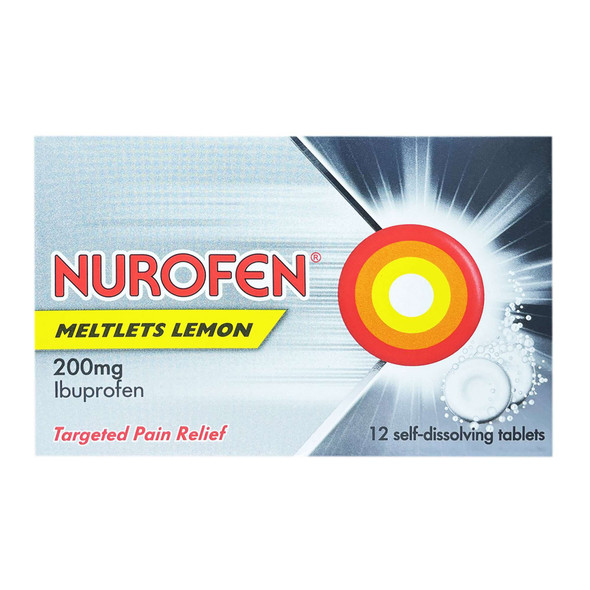
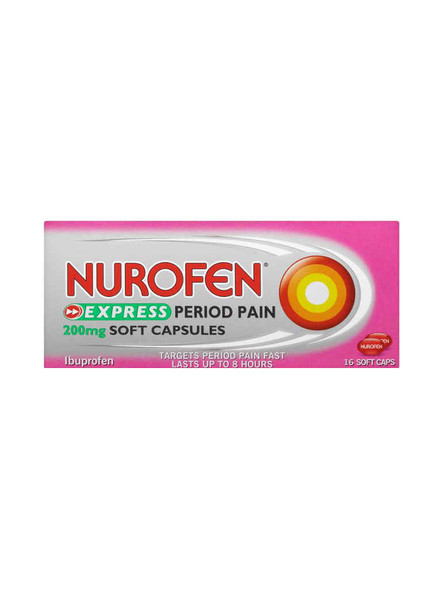
If you’re looking for support with menorrhagia (heavy or prolonged periods), most people are seeking two things: relief from period pain and cramps, and clear guidance on when symptoms should be reviewed by a clinician. This category focuses on symptom support—especially pain relief formats—rather than treatments that reduce bleeding, which require assessment by a pharmacist or GP.
Compare tablets, capsules, and self-dissolving meltlets, as well as active ingredients and pack sizes, to suit your routine. WithAid is a UK-based regulated pharmacy, offering discreet delivery. If bleeding is very heavy, prolonged, or worsening, pharmacist advice can help you choose safely and decide whether a GP consultation is needed.
Shop by menorrhagia type
Popular types of period pain products
- Paracetamol tablets for mild to moderate pain relief
- Ibuprofen capsules commonly used for cramps
- Fast-acting capsules for quick relief when needed
- Self-dissolving meltlets convenient for on-the-go use
How to choose the right option
- Identify your main symptom: cramps, backache, or headaches can guide your choice.
- Check the active ingredient: avoid doubling up on the same ingredient, e.g., paracetamol.
- Confirm suitability: consult the label if you have asthma, ulcers, kidney or heart conditions, high blood pressure, or take other medicines.
- Pick a format you’ll use: tablets, capsules, or meltlets suit different routines and preferences.
- Track symptoms: note duration of bleeding, frequency of changing protection, clots, fatigue, and any spotting between periods.
- Escalate when needed: consult a pharmacist or GP if symptoms are new, worsening, or significantly affecting daily life.
Quick links: common needs
FAQs
What is menorrhagia?
Menorrhagia is heavy or prolonged menstrual bleeding, which can include longer periods, needing to change protection frequently, passing clots, or bleeding that affects daily life.
Do these products treat heavy bleeding?
The items in this category mainly help relieve period pain and discomfort. Treatments that reduce bleeding depend on the cause and your health history, so speak to a pharmacist or GP for advice.
Which pain relief is best for period cramps?
Paracetamol or ibuprofen-based options are commonly used if suitable. Your choice depends on your symptoms and medical background—always read the label and ask a pharmacist if unsure.
Can I take ibuprofen and paracetamol together?
You can sometimes alternate or combine them, following the dosing directions. Never exceed the maximum daily doses. Check with a pharmacist if taking other medications or if you have long-term conditions.
Could heavy periods cause tiredness?
Heavy bleeding can lead to fatigue or feeling run-down. If you experience persistent tiredness, dizziness, or shortness of breath, consult a pharmacist or GP.
When should I speak to a GP about heavy periods?
See a GP if heavy periods affect your daily life, persist over multiple cycles, are associated with severe pain, occur between periods, or are new or worsening.
What are urgent red flags?
Seek urgent medical advice if you feel faint, have severe sudden pelvic pain, fever, chest pain, shortness of breath, or bleeding that is extremely heavy (e.g., soaking a pad or tampon every 1–2 hours for several hours).
Safety notice: This information is for general guidance and does not replace medical advice. Always read the label and follow directions. Pain relief medicines may not be suitable for everyone and can interact with other medicines and conditions. Speak to a pharmacist if unsure and contact your GP if symptoms are persistent, new, worsening, or significantly affecting daily life. Seek urgent care for fainting, severe sudden pain, fever, breathing difficulties, chest pain, or extremely heavy bleeding.