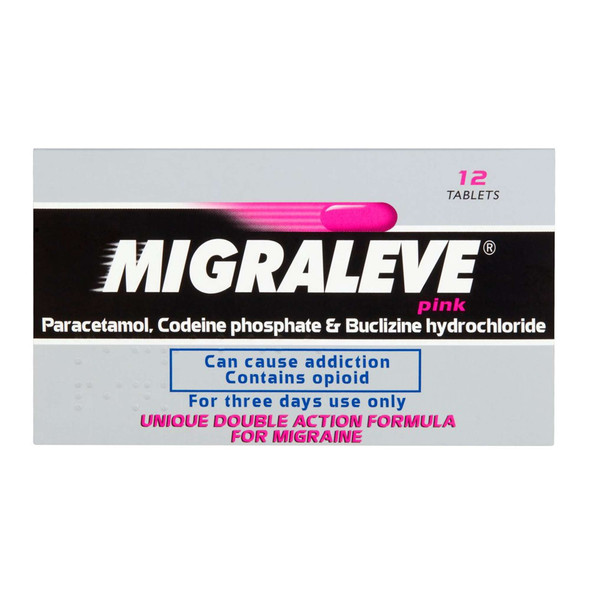
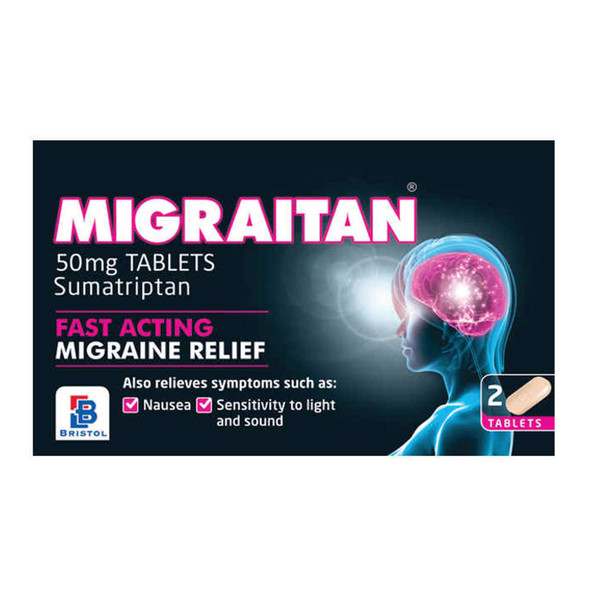
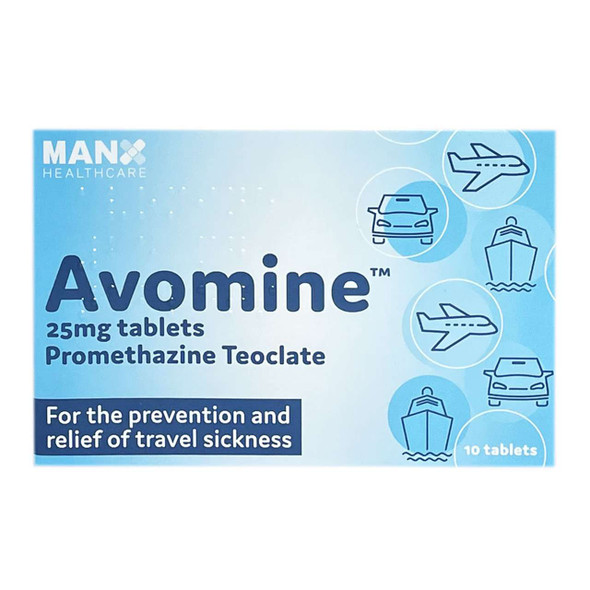
Nausea (feeling sick) can be uncomfortable and disruptive, whether it’s triggered by travel and motion, migraine, pregnancy, or an unsettled stomach. This Withaid category brings together pharmacy and drug-free options people commonly shop for when they want short-term nausea relief, help to prevent symptoms before a journey, or a format that’s easier to take when appetite is low.
You’ll see a mix of tablets (including travel sickness options), buccal dissolving antiemetic tablets that melt in the cheek, and liquids/syrups for flexible dosing. There are also gentler, non-medicine approaches such as ginger and peppermint products, plus acupressure wristbands. If vomiting or a stomach bug is part of the picture, hydration can matter just as much as symptom control—oral rehydration sachets may help replace lost fluids and salts. Withaid is a UK based and regulated pharmacy, with discreet Royal Mail delivery. Always read the label and follow the Patient Information Leaflet, and ask a pharmacist if you’re unsure what’s suitable alongside other medicines, in pregnancy, or for children.
Shop by nausea type
- Travel and motion sickness
- Migraine-associated nausea
- Pregnancy-related nausea
- Unsettled stomach and digestive upset
- Children’s nausea support
Popular types of nausea products
- Travel sickness tablets and patches for journeys by car, coach, boat, or plane (check age guidance and warnings)
- Buccal antiemetic tablets that dissolve in the cheek (often chosen for migraine-associated nausea)
- Liquids and syrups for measured dosing and easier swallowing
- Promethazine-based options sometimes used for travel-related nausea (may cause drowsiness; follow pack advice)
- Natural options such as ginger and peppermint for mild nausea support
- Drug-free wristbands (acupressure) as a non-medicine option for some people
How to choose the right option
- Start with the trigger: travel/motion, migraine, pregnancy, or digestive upset can point to different product types.
- Think about timing: for travel sickness, many options work best when taken or applied before you set off—check the pack for when to use it.
- Pick a format you can manage: tablets for convenience, buccal tablets if swallowing is difficult, or liquids for flexible dosing.
- Check drowsiness and driving advice: some medicines can cause sleepiness or dizziness—avoid driving or operating machinery if affected, and follow label guidance on alcohol.
- Confirm age and pregnancy suitability: use only products that clearly match the age band and situation; ask a pharmacist or GP if unsure.
- Don’t forget hydration: if you’re being sick or can’t keep fluids down, consider oral rehydration support and seek medical advice if symptoms are severe.
Quick links: common needs
FAQs
What products can help with nausea?
This category includes travel sickness tablets and patches, buccal antiemetic tablets that dissolve in the cheek, liquids/syrups for flexible dosing, and drug-free or natural options like acupressure wristbands, ginger and peppermint products.
When should I take anti-sickness medicine for travel?
Many travel sickness treatments are intended to be used before symptoms start. Check the pack for timing (some are taken 20–30 minutes before travel, while others may be taken earlier for longer journeys) and follow the Patient Information Leaflet.
What’s the difference between travel sickness patches and tablets?
Patches are often chosen for longer journeys because they provide dosing over time, while tablets may suit shorter trips or when you prefer a dose you can repeat as directed. Suitability depends on age, medical history, and other medicines.
Do anti-sickness medicines cause drowsiness?
Some ingredients can cause drowsiness, dizziness, or blurred vision. Always read the warnings on the pack and leaflet, and do not drive, cycle, or operate machinery if you feel affected.
Are buccal tablets suitable if I can’t swallow?
Buccal tablets are designed to dissolve in the cheek, which can be helpful if you feel too nauseous to swallow. Use only as directed and follow the instructions on the product page and leaflet.
Are nausea treatments suitable for children?
Some products are suitable for children, but age limits and dosing vary. Use only medicines that clearly state they’re appropriate for the child’s age and follow dosing instructions carefully.
When should I seek medical advice for nausea?
Get advice if nausea is severe, persistent, keeps returning, or you’re unsure what’s safe alongside other medicines or health conditions. Seek urgent help for signs of dehydration, severe abdominal pain, chest pain, confusion, vomiting blood, black/tarry stools, or if you cannot keep fluids down.
Safety information: This content is general guidance and does not replace medical advice, diagnosis or treatment. Always read the label and Patient Information Leaflet and use medicines as directed. If symptoms persist, worsen, or you’re concerned, speak to a pharmacist or GP.