Shop period pain relief products from WithAid, a UK based and regulated pharmacy. This category brings together over-the-counter options commonly used for menstrual cramps and related discomfort, so you can compare products by active ingredient, strength, pack size and format. You’ll find a mix of everyday pain relief tablets and capsules, plus dual-action and combination products where appropriate, alongside options that may suit people who prefer different formats.
Period pain can range from mild cramps to discomfort that disrupts your routine, and some people also notice symptoms such as lower back pain, bloating or headaches. To choose safely, start with what’s suitable for you and your health history, then follow the directions on the pack. Always read the label and patient information leaflet, avoid taking more than one medicine containing the same active ingredient (especially paracetamol), and speak to a pharmacist or GP if pain is severe, persistent, or suddenly different for you.
Shop by period pain type
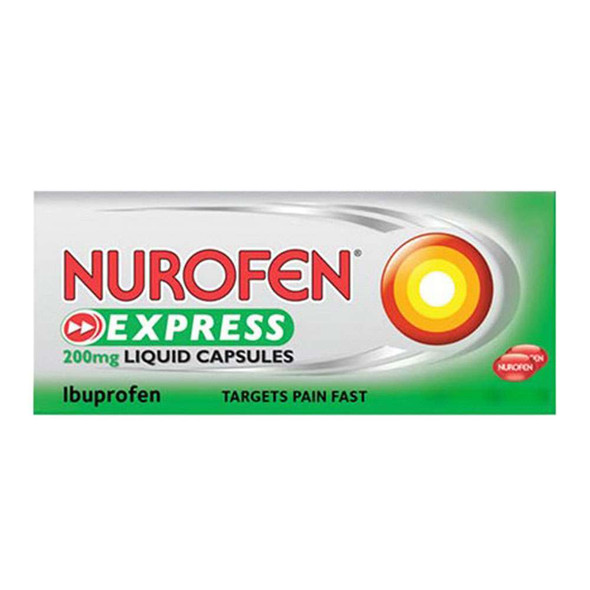
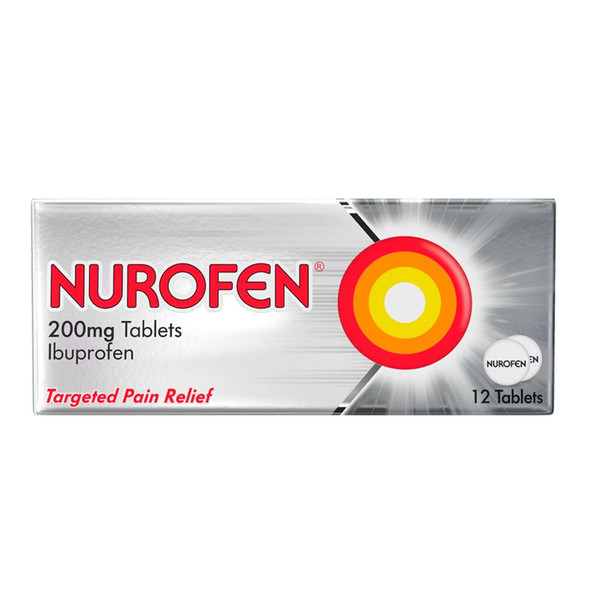
- Ibuprofen tablets (anti-inflammatory option, where suitable)
- Paracetamol tablets or capsules
- Paracetamol combination pain relief (check ingredients carefully)
- Dual-action pain relief tablets
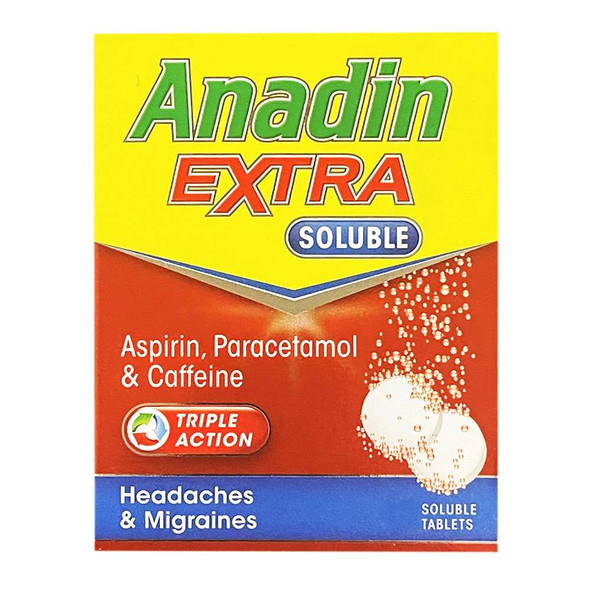
- Soluble / effervescent tablets (dissolve in water)
- Supportive aids such as heat therapy and supplements
Popular types of period pain products
Most shoppers compare period pain relief by ingredient first, then choose a format that fits their routine. This range typically includes standard tablets and capsules, soluble options, and combination medicines intended for short-term use when appropriate.
- Ibuprofen formats: commonly chosen for cramping where suitable
- Paracetamol formats: often used for mild to moderate pain
- Soluble tablets: dissolve in water for a drinkable format
- Dual-action tablets: combine ibuprofen and paracetamol in one product (check label suitability)
- Combination products: may include additional ingredients and are for short-term use only (follow pack directions)
How to choose the right option
- Check suitability and warnings: follow age guidance and check advice for pregnancy/breastfeeding, allergies, and relevant health conditions.
- Avoid ingredient overlap: don’t take multiple products containing the same active ingredient (especially paracetamol), including some cold and flu medicines.
- Consider interactions: if you take regular medicines or have a long-term condition, ask a pharmacist before buying.
- Pick a format you can take correctly: tablets, capsules or soluble options can make it easier to follow the directions.
- Use the lowest effective dose for the shortest time: don’t exceed maximum daily limits and don’t take doses sooner than advised.
- Get advice if symptoms change: seek help if pain is severe, persistent, worsening, or unusually different for you.
Quick links: common needs
FAQs
What causes period pain?
Period pain is commonly linked to uterine contractions during menstruation. Some people also experience symptoms such as lower back discomfort, bloating or headaches. If your symptoms are new, changing, or unusually severe, seek advice from a pharmacist or GP.
Is ibuprofen or paracetamol better for cramps?
It depends on what’s suitable for you and how your symptoms respond. Ibuprofen is an anti-inflammatory option and may help some people with cramping where appropriate, while paracetamol is commonly used for mild to moderate pain. Ask a pharmacist if you’re unsure which option to choose.
Can I take more than one pain relief product together?
Be careful: many medicines share the same active ingredients. Do not take more than one product containing the same ingredient (especially paracetamol). If you think you need to combine treatments, check the labels and speak to a pharmacist first.
Are soluble tablets a good option?
Soluble tablets dissolve in water and can be easier to take than standard tablets for some people. Whether they’re right for you depends on preference and suitability. Follow dosing instructions on the pack.
What should I know about stronger combination pain relief products?
Some combination products are intended for short-term use only and may come with extra warnings and restrictions. Always read the leaflet carefully and ask a pharmacist if you’re unsure about suitability or interactions.
When should I speak to a pharmacist or GP about period pain?
Get advice if pain is severe, persistent, not improving with short-term self-care, or suddenly different for you. Seek urgent medical help if you feel acutely unwell, faint, develop sudden severe abdominal pain, heavy bleeding, or signs of an allergic reaction.
Important: This page is general information and does not replace medical advice. Always read the label and patient information leaflet before use, follow dosage instructions, and ask a pharmacist or GP if you are unsure about suitability, interactions, pregnancy/breastfeeding, or ongoing or worsening symptoms.