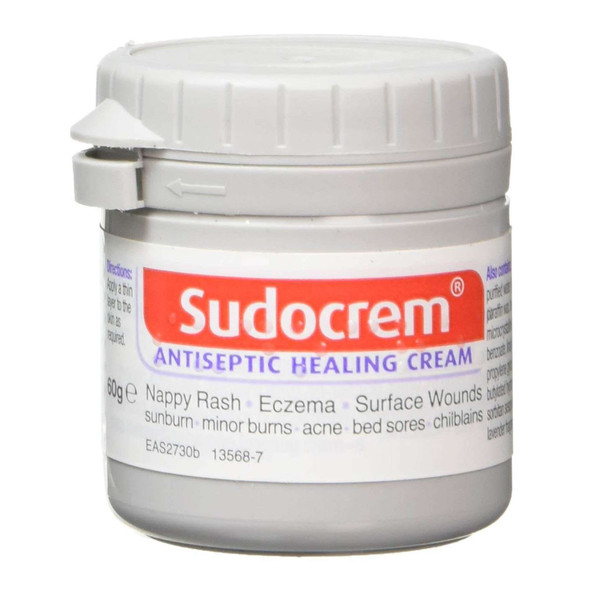
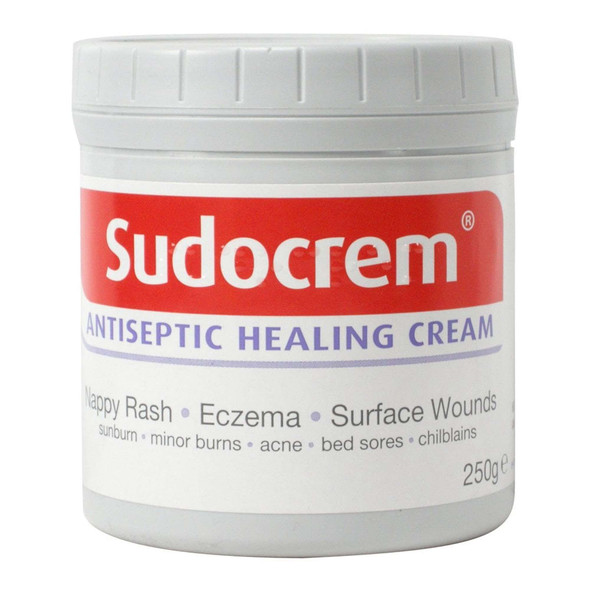
Pressure sores (also known as bedsores or pressure ulcers) can develop when skin is under pressure for long periods, often over bony areas such as heels, hips, elbows and the lower back. This Withaid category brings together pharmacy-selected topical formats shown on this page, including antiseptic creams, barrier creams and ointments, and cleansing solutions that are commonly used to support everyday skin care and hygiene routines for people at risk. You’ll find familiar options such as Drapolene, Sudocrem, Savlon and Care hydrogen peroxide solutions in a range of pack sizes and application styles.
Choose products based on how you’ll use them: cleanse first (follow dilution directions where required), then apply a suitable barrier product to help protect vulnerable skin from moisture and friction. Topical products work best alongside pressure management measures like regular repositioning and appropriate pressure-relief supports. Withaid is a UK based and regulated pharmacy (Responsible Pharmacist: Mohammed Sajjad, MPharm – GPhC 2063345). If skin is broken, very painful, hot/swollen, leaking fluid, discoloured (purple/black), or symptoms are worsening or not improving, seek prompt advice from a pharmacist, your GP or NHS 111.
Shop by Pressure Sores type
- Antiseptic creams
- Barrier ointments & protective creams
- Cleansing solutions (including dilute-as-directed formats)
- Spray barrier lotions
- Moisturising skin care for delicate surrounding areas
Popular types of products
- Barrier creams and ointments to help protect fragile skin from moisture and friction during day-to-day care.
- Antiseptic creams and gels for external cleansing and minor skin concerns, used as directed on the pack.
- Cleansing/disinfectant solutions to support hygiene routines (some require dilution—follow label guidance carefully).
- Spray barrier formats for quick, even application in hard-to-reach areas where appropriate.
How to choose the right option
- Start with the routine: cleanse first, then protect with a barrier product; keep surrounding skin comfortable with a suitable skincare routine.
- Pick the best texture: ointments are richer and may feel longer lasting; creams spread easily; sprays can be convenient for frequent use.
- Check suitability on the label: look for age guidance, allergy information and warnings about use on broken, irritated or very sore skin.
- Be extra cautious with cleansing solutions: only dilute and use exactly as directed, and avoid use where the label says it’s not suitable.
- Combine with prevention measures: regular repositioning and pressure-relief supports are key alongside topical care.
- Know when to escalate: seek urgent advice for spreading redness, heat, swelling, discharge, fever, severe pain, or purple/black skin changes.
Quick links: common needs
FAQs
What are pressure sores?
Pressure sores (pressure ulcers/bedsores) are areas of skin and tissue damage that can happen when pressure reduces blood flow over time, particularly in people with limited mobility.
Which product types are commonly used for day-to-day care?
Many routines focus on cleansing and hygiene, then using a barrier cream, ointment or spray to help protect vulnerable skin. Some people also use skincare products to support dry or delicate surrounding areas, depending on suitability.
Is a barrier cream or barrier ointment better?
It depends on the area and preference. Ointments are typically thicker and may feel more protective, while creams are often easier to spread. Choose what you can apply consistently and follow the directions.
How should I use cleansing solutions safely?
Only use products intended for external skin cleansing, and follow the label carefully (including any dilution instructions). If the skin is broken or you’re unsure what’s appropriate, ask a pharmacist or clinician for advice.
How often should I apply barrier products?
Follow the product instructions. Many barrier products are applied as part of daily care or after cleansing, but frequency varies by formulation and situation.
When should I seek medical advice?
Get prompt advice if the area is worsening, very painful, hot/swollen, leaking fluid or pus, has a bad smell, shows purple/black discolouration, or if the person feels unwell or has a fever.
Safety information: This content is for general guidance only and does not replace medical advice, diagnosis or treatment. Pressure sores can become serious and may need professional assessment and specialist dressings. Always read labels and follow directions. If you are unsure what to choose, speak to a pharmacist; if symptoms are severe, unusual or worsening, contact your GP/NHS 111, or seek urgent help in an emergency.