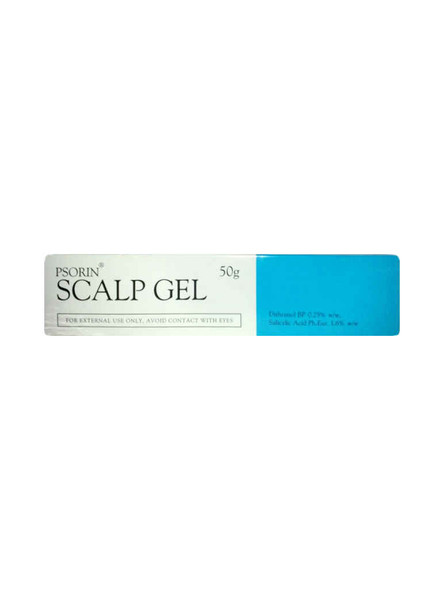
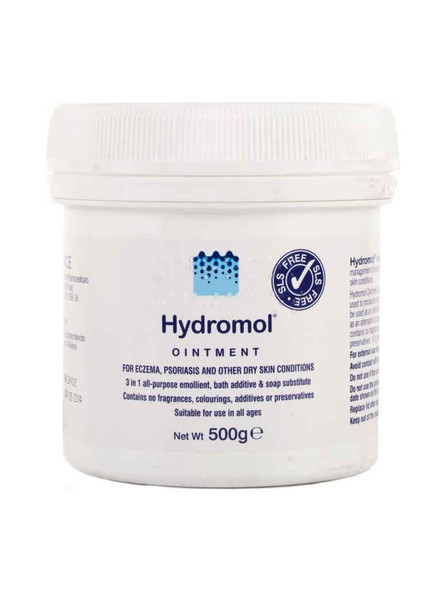
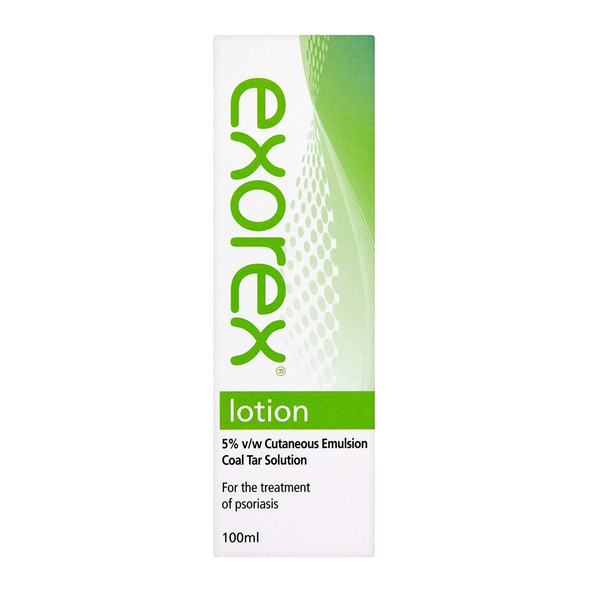
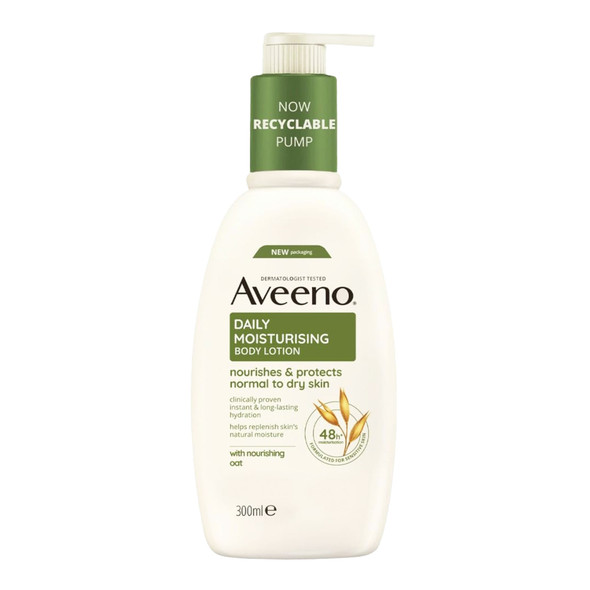
Shop psoriasis treatments and supportive skincare to help manage common symptoms such as dryness, flaking, visible scale and itch. This category brings together the main formats people typically look for in one place: medicated shampoos and scalp treatments, topical creams and ointments for localised areas, bath emulsions for widespread dryness, and everyday emollients to support the skin barrier. Psoriasis is a long-term condition and results vary, but choosing the right format for the affected area—alongside consistent moisturising—can make day-to-day care feel more manageable.
Many shoppers choose by need: scalp symptoms often suit a medicated shampoo or targeted scalp lotion/gel; thicker, drier patches may suit a richer ointment; and bath additives can help reduce tightness after washing. Some products reference ingredients commonly used for psoriasis-prone skin (for example coal tar, salicylic acid or urea)—always follow the label and any leaflet. WithAid is a UK based and regulated pharmacy, offering fast, free delivery on orders over £20 and discreet Royal Mail packaging.
Shop by psoriasis type
- Scalp support: medicated shampoos, scalp gels and lotions
- Localised plaques: targeted creams and ointments
- Very dry, thickened areas: intensive balms and occlusive emollient ointments
- Widespread dryness: bath emulsions, bath oils and wash additives
- Everyday maintenance: fragrance-free moisturisers and emollients for regular use
Popular types of psoriasis products
- Medicated shampoos to help manage scalp flaking, scale and itch (use as directed).
- Scalp gels and lotions for targeted leave-on support where scale is stubborn.
- Topical creams for regular application where you prefer a lighter feel.
- Ointments and balms for more intensive moisture on very dry or rough areas.
- Bath emulsions and oils to support comfort when dryness is widespread or washing triggers tightness.
- Emollients for daily hydration and barrier support between flare-ups.
How to choose the right option
- Start with the area affected: scalp products for the scalp; creams/ointments for patches; bath options for all-over dryness.
- Pick your primary goal: scale-softening support vs soothing moisture—many routines use both (for example a medicated option plus an emollient).
- Check suitability first: review age guidance, pregnancy/breastfeeding advice, and whether the product is appropriate for broken, very sore or infected-looking skin.
- Use medicated ingredients carefully: products containing coal tar, salicylic acid or urea should be used exactly as per the label and leaflet.
- Choose a texture you’ll stick with: lotions feel lighter; creams are richer; ointments are most occlusive for very dry skin.
- Know when to seek advice: if symptoms are worsening, spreading, painful, affecting sleep, or not improving with appropriate use, speak to a pharmacist, GP or dermatologist.
Quick links: common needs
FAQs
Can psoriasis be completely cured?
Psoriasis is a long-term condition and there isn’t a known cure. Treatments and skincare focus on symptom management, comfort and supporting the skin barrier.
What can I buy online for scalp psoriasis symptoms?
Common options include medicated shampoos and targeted scalp gels or lotions. Always follow the pack instructions and ask a pharmacist if you’re unsure what’s suitable for your symptoms.
How do I choose between a cream and an ointment?
Creams are typically lighter for regular use, while ointments are richer and more occlusive—often preferred for very dry, rough areas. The best choice is the one you can use consistently and comfortably.
Are coal tar or salicylic acid products suitable for everyone?
They can be suitable for some people when used as directed, but they may not be appropriate for everyone or every situation. Check label warnings and ask a pharmacist if you have sensitive skin, are pregnant/breastfeeding, or are treating a child.
Do moisturisers and emollients help with psoriasis-prone skin?
Regular emollient use can help reduce dryness and tightness and support the skin barrier. Many people apply after washing and reapply as needed.
When should I seek urgent medical advice?
Get prompt medical advice if skin becomes very painful, hot, swollen, weeping or infected-looking; if you feel unwell with fever; if a rash becomes suddenly widespread; or if symptoms are severely affecting wellbeing.
This information is for general guidance only and does not replace medical advice, diagnosis or treatment. Always read the label and follow directions. If symptoms are severe, unusual or persistent, or you’re unsure what’s appropriate, speak to a pharmacist, GP or dermatologist.