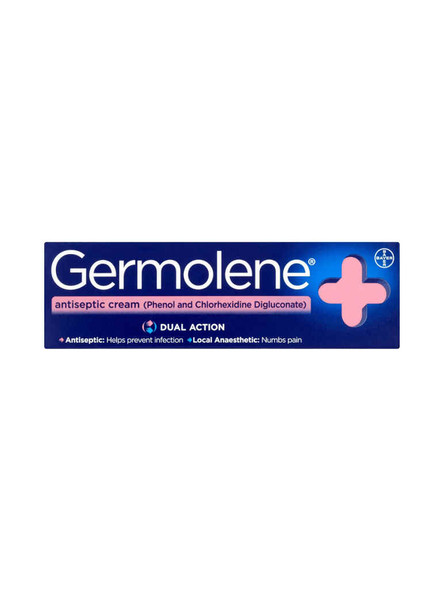
Scalds are burns caused by hot liquids or steam — commonly from kettles, pans and hot drinks. After immediate first aid (cool the area with cool or lukewarm running water for up to 20 minutes, then cover with a clean, non-fluffy dressing), many people look for a pharmacy-appropriate product that’s labelled for minor burns and scalds to help keep the area clean and comfortable while it heals naturally.
This category includes the scald-care options currently shown on this page, including antiseptic creams and a cooling gel, plus practical tube sizes for home first-aid cupboards, travel kits and workplace supplies. Always follow the directions on the pack and check suitability for children, pregnancy/breastfeeding and sensitive skin. Pharmacy note: general information is checked by the withaid pharmacy team — see company details and pharmacy information.
Shop by Scalds type
Popular types of scalds products
- Antiseptic creams for minor burns & scalds – label-led options commonly used in everyday first aid once skin is cooled and clean.
- Cooling gels – lighter gel formats that can feel soothing on minor irritation.
- Dual action creams – combination formats for minor skin injuries, including minor burns/scalds where indicated.
- Travel sizes – small tubes for handbags, work and holiday first-aid kits.
- Home cupboard sizes – larger tubes for family first-aid restocking.
How to choose the right option
- Start with first aid: cool with cool or lukewarm running water for up to 20 minutes; avoid ice and avoid applying products straight away.
- Use label-led suitability: apply only once the area is cooled and gently cleaned, and only if the product states it’s suitable for minor burns/scalds.
- Pick cream vs gel: gels can feel lighter and cooling; creams may suit small, targeted areas.
- Check suitability: confirm age guidance, allergy warnings and advice for pregnancy/breastfeeding on the pack.
- Protect from friction: hands and joints may benefit from a clean, non-stick dressing if advised on the label or by a pharmacist.
- Know when to get help: seek advice for large or deep burns, burns on sensitive areas, significant blistering, or possible infection (spreading redness, warmth, swelling, discharge, fever).
Quick links: common needs
FAQs
What should I do immediately after a scald?
Move away from the heat source, cool the area with cool or lukewarm running water, and remove jewellery near the burn if it’s not stuck to the skin. Avoid ice and do not apply creams straight away. Cover with a clean, non-fluffy dressing if needed.
How long should I cool a scald for?
Many first-aid guidelines advise cooling with cool or lukewarm running water for up to 20 minutes as soon as possible. If you’re cooling a large area or treating a child, keep the person warm to reduce the risk of chilling.
When can I apply a cream or gel?
Only after cooling and gentle cleansing, and only if the product label says it’s suitable for minor burns or scalds. Use as directed and stop if irritation occurs.
Should I choose a cooling gel or an antiseptic cream?
It depends on comfort and where the scald is. Cooling gels can feel lighter on the skin, while creams may be easier for small areas. If you’re unsure what’s suitable, a pharmacist can help you choose.
Which tube size should I buy?
Smaller tubes are convenient for travel kits, handbags and work. Larger tubes can be better for home cupboards and family first-aid restocking.
Do I need a dressing as well as a cream?
A clean, non-stick dressing can help protect a minor scald from rubbing and keep it clean. If you’re unsure what to use together, or the skin looks broken, ask a pharmacist for advice and follow product instructions.
When should I seek urgent medical help?
Get urgent advice for large or deep burns, burns on the face/hands/genitals, chemical or electrical burns, significant blistering, or signs of infection, or if symptoms are not improving.
Safety information: This content is for general guidance and shopping support, not a diagnosis. Always read the label/leaflet and use medicines as directed. For severe, large, deep or worsening burns, burns on sensitive areas, or if you’re worried about infection or healing, speak to a pharmacist or contact your GP/NHS 111.