If you’re dealing with occasional sleeplessness, this collection brings together UK pharmacy sleep aids and sleeping tablets designed for short-term support while you work on a steadier bedtime routine. Compare trusted options for difficulty falling asleep, waking during the night, or a temporarily disrupted sleep pattern, with formats including one-a-night tablets, night-time antihistamine options, traditional herbal sleep remedies, and liquid alternatives.
Before you choose, do a quick suitability check: many sleep products are for adults and those aged 16+ only, can cause next-day drowsiness, and may not be suitable if you’re pregnant or breastfeeding, have certain medical conditions, or take regular medicines. Always read the label and patient information leaflet, avoid alcohol, and use the lowest suitable option for the shortest time needed. If sleep problems persist for more than 2 weeks or affect daily life, speak to a pharmacist or GP.
Shop by sleep aid type
Popular types of sleep aids
- One-a-night tablets: convenient single-dose options commonly chosen for occasional sleeplessness.
- Night-time tablets: short-term options some adults choose when routines change (for example, travel or shift work).
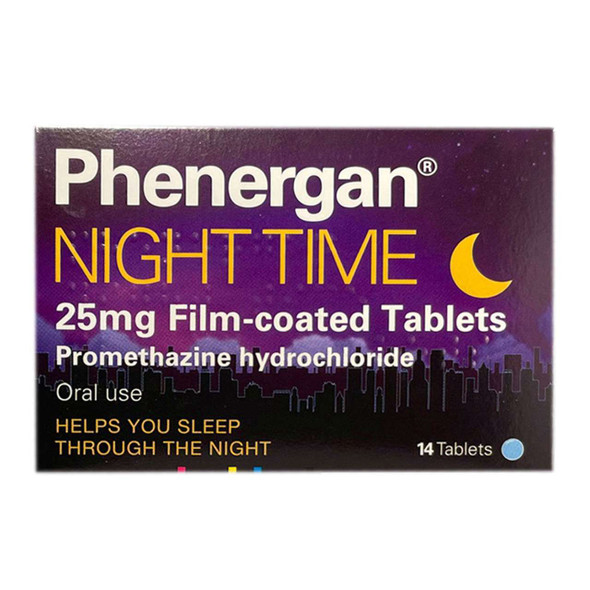
- Promethazine night-time tablets: a pharmacy option that may be suitable for some adults for short-term sleep difficulty.
- Herbal sleep remedies: traditional herbal medicines used for sleep disturbance (where appropriate).
- Liquid sleep solutions: an alternative format for adults who prefer a liquid option.
How to choose the right option
- Match the main issue: trouble falling asleep, waking during the night, or a temporarily disrupted routine.
- Check age suitability: many options are for adults and those aged 16+ only (label dependent).
- Plan for next-day alertness: allow a full night’s sleep and avoid driving or machinery if you feel drowsy.
- Avoid alcohol and sedatives: combinations can increase drowsiness and side effects.
- Review interactions: if you take regular medicines or have a long-term condition, ask a pharmacist before buying.
- Keep it short term: if sleep problems persist or keep returning, seek advice rather than continuing self-treatment.
Quick links: common needs
FAQs
What are pharmacy sleep aids used for?
Over-the-counter sleep aids are generally intended for temporary sleep disturbance, such as occasional difficulty falling asleep or disrupted sleep due to changes in routine. They are not designed to treat long-term insomnia without professional advice.
What’s the difference between one-a-night tablets and other night-time sleep tablets?
Products vary by active ingredient, strength, and directions. One-a-night options are designed for convenient single-dose use, while other night-time products may have different dosing instructions. Always follow the label and choose what’s suitable for you.
How should I take a sleep aid?
Take the product exactly as directed on the label, usually shortly before you intend to sleep. Plan for a full night’s rest, and avoid taking a sleep aid if you cannot allow enough time for sleep.
Will I feel drowsy the next day?
Some people experience next-day drowsiness, reduced alertness, or slower reaction times. If you feel sleepy, avoid driving, cycling, or operating machinery, and consider speaking to a pharmacist about a more suitable option.
Can I take sleep aids with alcohol or other medicines?
Alcohol can increase drowsiness and side effects. Some medicines can also interact with sleep aids, especially other sedating products. If you take regular medicines or are unsure, speak to a pharmacist before buying.
How long can I use an OTC sleep aid?
Most sleep aids are intended for short-term use only. If symptoms persist, keep returning, or worsen, it’s best to get advice to identify and address the underlying cause.
When should I speak to a pharmacist or GP about sleep problems?
Seek advice if sleep issues last more than 2 weeks, significantly affect daily life, or are linked with low mood, anxiety, loud snoring with breathing pauses, severe daytime sleepiness, or other new symptoms.
Important: Sleep aids are not suitable for everyone and may cause drowsiness. Always read the label and patient information leaflet before use. If you are pregnant or breastfeeding, have a long-term condition, or take regular medicines, speak to a pharmacist or GP first. If you feel very unwell or are worried about urgent symptoms, seek medical help promptly (NHS 111 can advise).