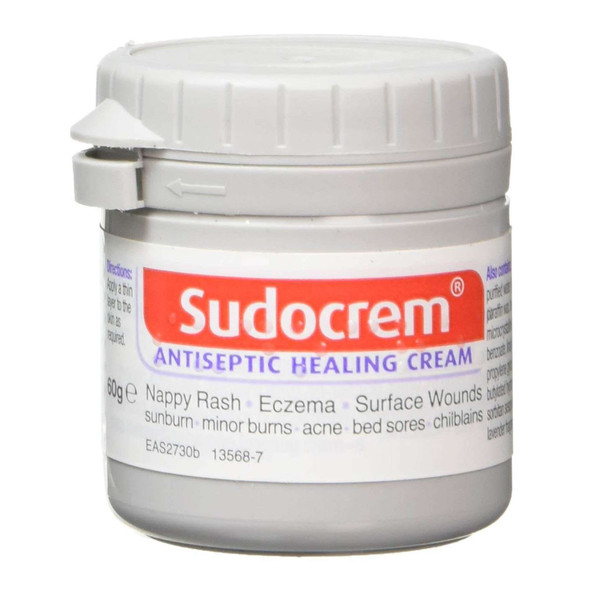
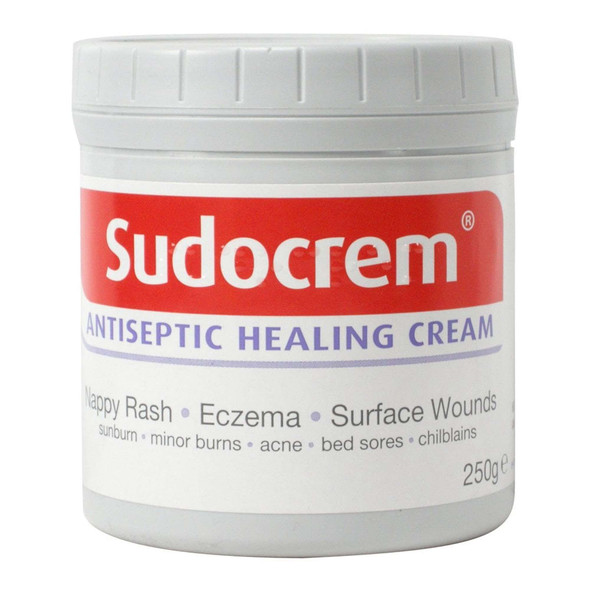
Buy sunburn care products from WithAid, a UK based and regulated pharmacy. This category brings together pharmacy-style options people commonly look for when skin feels red, sore and sun-exposed, including calamine creams and lotions, a dedicated sunburn relief cutaneous emulsion, and first-aid antiseptic creams and healing gels for minor skin damage (only where appropriate and as directed). Choose a product format based on how your skin feels today—hot and uncomfortable, tender and irritated, or becoming dry and tight—and always follow the label directions.
Alongside topical care, protect the area from further sun exposure, keep hydrated, and avoid harsh soaps or exfoliation until your skin settles. If you’re unsure what’s suitable (especially for children, pregnancy or breastfeeding, allergies, or long-term conditions), ask a pharmacist. Seek urgent medical help for severe swelling, widespread blistering, fever, confusion, dizziness or fainting, dehydration, or signs of infection such as increasing pain, pus, or spreading redness.
Shop by Sunburn type
- Calamine creams and lotions for soothing comfort
- Sunburn relief cutaneous emulsion for targeted after-sun care
- Skin cooling gels for a refreshing, cooling feel
- First aid antiseptic creams and healing gels for minor skin damage (where appropriate)
Popular types of sunburn relief products
- Calamine creams and lotions — commonly chosen for a cooling, soothing feel on irritated skin.
- Sunburn relief cutaneous emulsion — a targeted product format used for sunburnt skin; check suitability and warnings on the label.
- Skin cooling gels — gel formats often used for a cooling sensation on minor skin irritation, including sunburn, where appropriate.
- Antiseptic creams — first aid products for minor cuts, grazes and minor burns; may be considered for small areas of broken skin to support hygiene (only if the label says it’s suitable).
- Advanced healing gels — wound-care gel formats used for minor skin damage; use only as directed and only where appropriate.
How to choose the right option
- Start with symptoms: if skin feels hot and uncomfortable, a cooling gel or calamine format may feel more comfortable; if dryness and tightness are the main issue, consider moisturising support.
- Check where you can apply it: avoid applying products to broken or blistered skin unless the label states it’s suitable.
- Use first aid products appropriately: antiseptic creams and healing gels are not needed for every sunburn; consider them only for minor skin damage and follow directions carefully.
- Check suitability: review age guidance and warnings, and ask a pharmacist if you’re pregnant or breastfeeding, buying for a child, or taking other medicines.
- Know when to get help: increasing pain, spreading redness, pus, fever, or feeling unwell may need medical advice.
Quick links: common needs
FAQs
What can help soothe mild sunburn?
Many people choose a soothing format such as calamine cream or lotion, or a cooling gel-style product, then use moisturising support if skin feels dry or tight. Always follow the label and stop using any product that stings or worsens irritation.
How long does mild sunburn usually take to settle?
Mild sunburn often improves over a few days, though dryness and peeling can last longer. If symptoms are severe, worsening, or not improving as expected, seek advice from a pharmacist or GP.
Can I use sunburn products if I’m pregnant or breastfeeding?
Suitability varies by product and ingredients. Check the label carefully and ask a pharmacist if you’re unsure, especially because some sunburn relief products may include warnings for pregnancy or breastfeeding.
Can I use antiseptic cream on sunburn?
Antiseptic creams are typically used for first aid (minor cuts, grazes and minor burns). They may be considered if there is minor skin damage and you need to support hygiene, but they are not necessary for every case of sunburn. Use only as directed and only where suitable.
What should I avoid if I’m sunburnt?
Avoid further sun exposure, very hot showers, harsh exfoliation, and products that irritate your skin. Do not burst blisters. If skin is broken, keep the area clean and follow product directions carefully.
When should I seek urgent medical help?
Get urgent help if there is widespread blistering, severe swelling, fever, confusion, dizziness or fainting, signs of dehydration, or signs of infection (increasing pain, pus, spreading redness). If you’re worried at any time, contact a healthcare professional.
Important safety information: This page is for general guidance and does not replace medical advice, diagnosis or treatment. Always read the label and follow directions. If symptoms are severe, unusual, persistent, or getting worse—or if you are pregnant or breastfeeding, buying for a child, or taking other medicines—speak to a pharmacist or GP. In an emergency, call 999 or attend A&E.