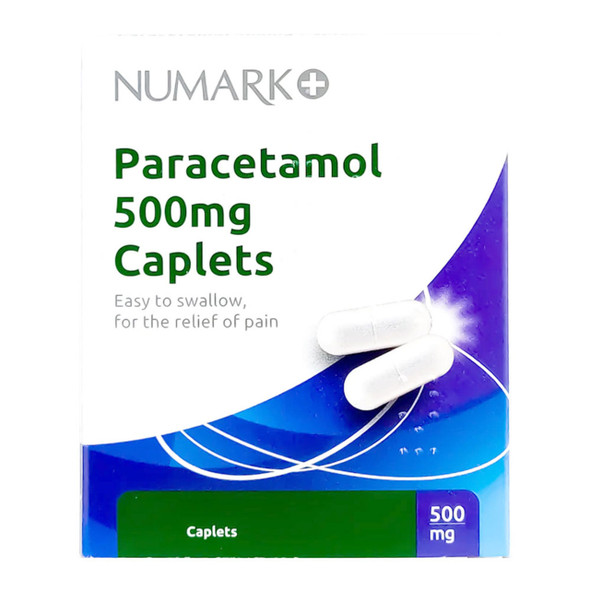
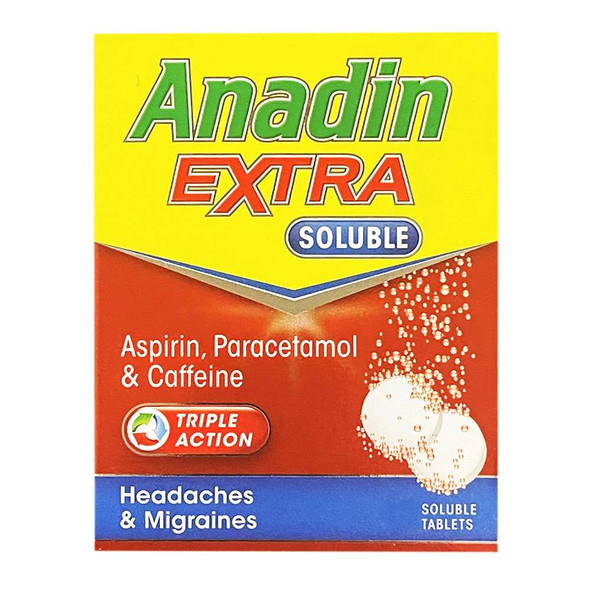
Shop tension headache relief at withaid, a UK based and regulated pharmacy, with everyday over-the-counter options for short-term symptom support. Tension headaches are commonly linked to stress, poor posture, muscle tightness, dehydration or poor sleep, and may feel like a dull pressure around the head (including the temples) or the back of the neck. This category brings together common formats so you can compare brands, pack sizes and active ingredients in one place, including paracetamol tablets and capsules, ibuprofen-based tablets/caplets, soluble/effervescent options and selected topical gels.
Always read the label and use the lowest effective dose for the shortest time. Take extra care not to double-dose (especially with paracetamol), as some cold & flu products also contain pain relief. If you need pain relief often, headaches are changing in pattern, or symptoms aren’t improving, speak to a pharmacist or your GP. Seek urgent medical help for a sudden severe headache, headache after a head injury, fever with a stiff neck, confusion/fainting, weakness/numbness, speech difficulty, or vision changes.
Shop by Tension Headache type
Popular types of tension headache relief products
- Paracetamol tablets or capsules for mild to moderate headache pain.
- Ibuprofen tablets/caplets (an anti-inflammatory option) where suitable for you.
- Soluble/effervescent tablets if you prefer a drinkable format or find standard tablets harder to swallow.
- Combination pain relief in some products (always check the active ingredients and suitability).
- Topical gels that some people use for comfort alongside rest, hydration and gentle stretching.
How to choose the right option
- Start with suitability: check the label if you have asthma, stomach ulcers, kidney problems, high blood pressure, are pregnant/breastfeeding, or take regular medicines (including blood thinners).
- Choose by active ingredient: many people start with paracetamol; others consider an anti-inflammatory option if appropriate.
- Avoid duplication: don’t take more than one product containing the same active ingredient (particularly paracetamol), including some cold & flu remedies.
- Pick a format you’ll take correctly: tablets/capsules for convenience, or soluble formats if you prefer a drink.
- Be mindful of frequent use: if you need headache pain relief for more than a few days, or you’re relying on it regularly, ask a pharmacist for advice.
Quick links: common needs
FAQs
What does a tension headache feel like?
Tension headaches often feel like a dull ache or pressure around the head, sometimes with tightness in the neck and shoulders. Triggers can include stress, long periods at a desk, dehydration or poor sleep.
Which pain relief is commonly used for tension headaches?
Many people start with an over-the-counter option such as paracetamol. Others may consider an anti-inflammatory product if it’s suitable for them. Always follow the directions on the pack and check warnings and interactions.
Are soluble headache tablets better than standard tablets?
Not necessarily. Soluble/effervescent formats can be easier to take for some people and may suit those who prefer a drinkable option. The best choice depends on the active ingredient and taking the correct dose for you.
Can I take headache tablets with cold and flu remedies?
Take extra care: many cold and flu products already contain pain relief (often paracetamol or ibuprofen). Check active ingredients to avoid accidental double dosing and ask a pharmacist if you’re unsure.
When should I seek urgent medical advice for a headache?
Seek urgent help if a headache is sudden and severe, follows a head injury, or comes with symptoms such as fever with a stiff neck, confusion, fainting, weakness/numbness, problems speaking or vision changes.
How long should I use pain relief for a tension headache?
Use the lowest effective dose for the shortest time and follow the label. If headaches keep returning or you’re using pain relief regularly, speak to a pharmacist or your GP for tailored advice.
Safety note: This page is for general guidance and shopping support and does not replace medical advice. Always read the label and follow directions. Do not exceed stated doses. If symptoms are severe, unusual or persistent, speak to a pharmacist or GP. In an emergency, call 999 or attend A&E.