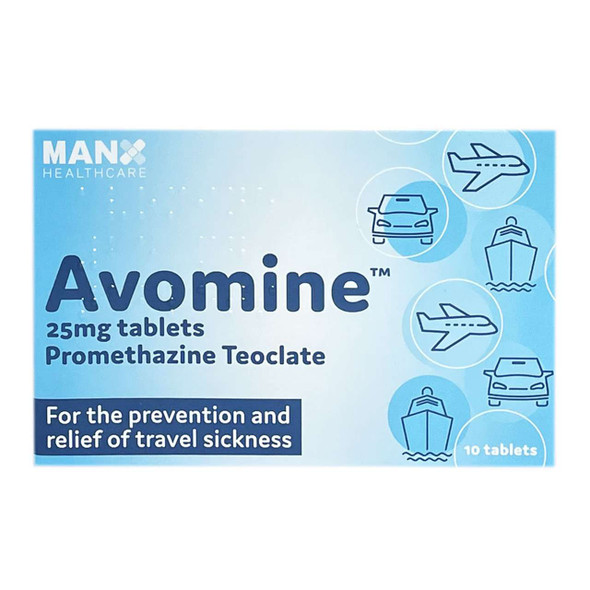
Travel sickness (motion sickness) is common during car rides, flights and boat trips, and can cause nausea, dizziness, sweating and vomiting. It often happens when your eyes and inner ear send mixed “movement” signals to your brain. On this Travel Sickness category page, you can browse pharmacy products sold through WithAid that are commonly used to help prevent symptoms before travel, or to help manage symptoms if they start during a journey.
This category includes travel sickness medicines (such as tablets and liquid solutions), as well as non-medicine options like acupressure bands and ginger-based products for nausea relief. Many options work best when used in advance, so timing matters—especially for early departures, long crossings, or multi-leg travel days. Always read the label and patient leaflet for age suitability, maximum dose, and key cautions (including drowsiness, driving, alcohol, pregnancy/breastfeeding, and interactions). If you’re unsure what’s suitable for you or your child, ask a pharmacist for advice.
Shop by Travel Sickness type
- Travel sickness medications
- Ginger products for nausea relief
- Children’s travel sickness relief
- Acupressure bands
- Motion sickness support for travel days
Popular types of Travel Sickness products
- Travel sickness tablets – a common choice for car sickness, sea sickness and flying; check when to take them and whether repeat dosing is allowed.
- Liquid solutions – an alternative format some people prefer; follow label directions for dosing, timing and age guidance.
- Ginger-based products – often considered for mild nausea; suitability can vary, so check the product details.
- Acupressure bands – a non-medicine option some people try for mild travel-related nausea and dizziness.
How to choose the right option
- Plan the timing: many travel sickness medicines are intended to be taken before symptoms begin. Follow the recommended timing on the pack.
- Match the journey length: check how long a dose lasts, whether repeat dosing is allowed, and the maximum daily dose—especially for long trips.
- Consider drowsiness: some medicines can cause sleepiness, blurred vision or slower reactions. If affected, do not drive, cycle, or operate machinery, and follow pack advice on alcohol.
- Check age suitability: do not assume an adult product is suitable for children. Use only within the stated age range and dosing instructions.
- Review interactions: check cautions if you take other medicines or have an ongoing condition. Ask a pharmacist if you’re unsure about suitability.
- Practical travel tips: face forward, look at the horizon, keep fresh air flowing, avoid heavy meals just before travelling, and take breaks on long drives.
Quick links: common needs
FAQs
What is travel sickness?
Travel sickness is nausea, dizziness or vomiting triggered by movement (for example in a car, boat, train or plane). It’s often linked to mixed signals between what you can see and what your inner ear senses.
When should I take travel sickness medicine?
Many options are intended to be taken before travel begins, but timing varies by product. Always follow the label and patient leaflet for exact directions and re-dosing guidance.
Can travel sickness medicines cause drowsiness?
Some can. If you feel sleepy, dizzy or your vision is affected, do not drive or operate machinery. Follow pack advice on alcohol and other medicines that can increase drowsiness.
Are ginger products or acupressure bands suitable for everyone?
Some people prefer non-medicine options for mild symptoms, but suitability can vary by age and individual circumstances. Check the product details carefully and ask a pharmacist if you’re unsure.
Are travel sickness medicines suitable for children?
Some products are, but age limits and doses vary by product, strength and ingredient. Use only products labelled for your child’s age range and follow dosing instructions exactly.
When should I seek medical advice?
Speak to a pharmacist or GP if symptoms are severe, frequent, happen when you’re not travelling, or you’re unsure about suitability (especially in pregnancy/breastfeeding or for children). Get urgent help for severe dehydration, fainting, blood in vomit, chest pain, severe headache, or new neurological symptoms (such as weakness, confusion, or trouble speaking).
Important: This information is for general guidance only and does not replace medical advice, diagnosis or treatment. Always read the label and use medicines as directed. If you are unsure what is appropriate, ask a pharmacist or GP.