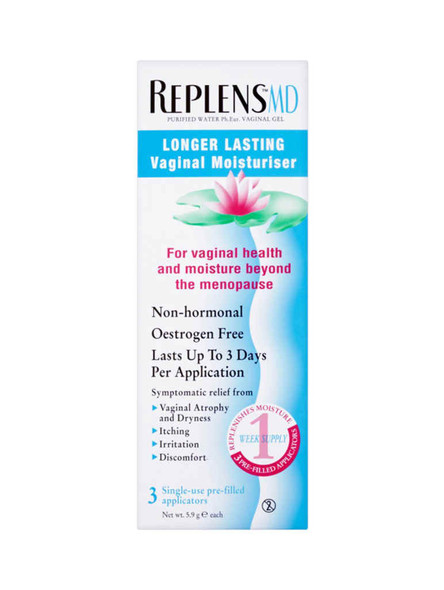
Vaginal dryness can affect everyday comfort and intimacy, and it’s especially common during menopause and other hormonal changes. This category brings together pharmacy products designed to support moisture and reduce friction, including long-lasting vaginal moisturisers for regular use, lubricants for sex and short-term comfort, and hormone-free gels for those who prefer non-hormonal options. You’ll see well-known brands and formats such as moisturising creams (for internal and/or external dryness, depending on the product) and applicator-based moisturisers that can fit easily into a routine.
If your symptoms are mainly day to day, a regular-use moisturiser is often a better starting point than relying only on lubricants. If discomfort is mostly during sex, a lubricant can help reduce friction—many people choose water-based options for gentleness. If you’re prone to irritation, check the ingredient list and choose products made for sensitive skin where possible. WithAid is a UK based and regulated pharmacy, with orders sent by Royal Mail in discreet packaging, so you can shop confidently and compare options in one place.
Shop by Vaginal Dryness type
- Vaginal moisturisers (regular-use hydration)
- Lubricants (short-term slip for intimacy)
- Hormone-free gels and moisturising treatments
Popular types of vaginal dryness products
Different formats suit different needs—ongoing hydration, targeted soothing, or short-term lubrication.
- Vaginal moisturisers: longer-lasting hydration for regular use (often used every few days, depending on the product).
- Moisturising creams and gels: designed to support comfort for internal and/or external dryness—follow the label for where and how to apply.
- Water-based lubricants: short-term lubrication to reduce friction during sex and help ease dryness-related discomfort.
- Hormone-free options: non-hormonal gels or moisturisers for people who prefer hormone-free care.
- Applicator formats and multipacks: useful for measured application and maintaining a consistent routine.
How to choose the right option
- Choose a moisturiser for ongoing dryness: use regularly (as directed) to support day-to-day comfort, not just during intimacy.
- Choose a lubricant for sex: helpful when discomfort is mainly during intimacy; check the label for condom compatibility if needed.
- Prefer hormone-free care: select hormone-free gels or moisturisers if that fits your preference or circumstances.
- If you’re sensitive: look for gentle formulas and stop using the product if you notice stinging, swelling, rash, or worsening irritation.
- Think about routine and pack size: a format you’ll use consistently is more likely to help—consider applicators and multipacks if suitable.
- Get advice if it’s persistent or unclear: a pharmacist or GP can help you choose a suitable option and rule out other causes.
Quick links: common needs
FAQs
What causes vaginal dryness?
Vaginal dryness is often linked to hormonal changes (including menopause and postpartum changes), but it can also be affected by stress, some medicines, or irritation. If you’re unsure of the cause or symptoms feel unusual, speak to a pharmacist or GP.
What’s the difference between a vaginal moisturiser and a lubricant?
Moisturisers are designed for regular use to support ongoing hydration and comfort, while lubricants provide short-term slipperiness to reduce friction during intimacy.
How quickly will a vaginal moisturiser work?
Some people notice improvement quickly, while others need consistent use over a few applications. Follow the product directions and consider a regular routine if dryness is ongoing.
How often should I use these products?
It depends on the product and your symptoms. Moisturisers are commonly used on a schedule (such as every few days), while lubricants are used as needed for sex. Always follow the label and ask a pharmacist if you’re unsure.
Can I use lubricants with condoms?
Some lubricants are compatible with condoms, but not all types are. Check the product label for condom compatibility and any usage guidance.
When should I seek medical advice?
Seek advice promptly if you have bleeding (especially after sex or after menopause), unusual discharge or odour, persistent pelvic pain, fever, new lumps/sores, or symptoms that don’t improve with self-care. A pharmacist, GP, or sexual health clinic can help.
Disclaimer: This information is for general educational purposes and does not replace medical advice, diagnosis, or treatment. Always read the label and follow directions. If symptoms are severe, unusual, persistent, or you are concerned, seek advice from a pharmacist, NHS service, your GP, or urgent care where appropriate.