Vertigo can feel like the room is spinning, leaving you unsteady, nauseous or more sensitive to movement. It’s a symptom rather than a single condition, and it can have different causes (often linked to the inner ear and balance system). Many people searching for “vertigo tablets” are looking for short-term support for dizziness with nausea, or relief from motion-triggered symptoms during travel.
This category brings together UK pharmacy products commonly used to help manage nausea and dizziness associated with motion sensitivity—such as travel sickness tablets and anti-nausea antihistamines (including promethazine-based options) as well as cinnarizine products like Stugeron. Use the guidance below to choose a suitable option, understand drowsiness considerations, and know when it’s safer to seek medical advice—especially if symptoms are new, severe, persistent, or come with other concerning signs. Always read the patient information leaflet before use.
Shop by Vertigo type
Popular types of vertigo products
- Travel sickness tablets for motion-triggered nausea and dizziness during journeys
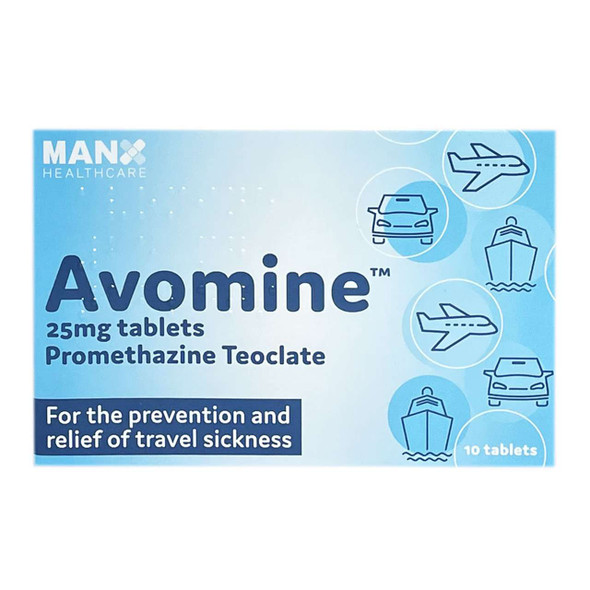
- Promethazine tablets (antihistamine anti-nausea option that can cause drowsiness)
- Cinnarizine tablets (such as Stugeron) commonly used for travel sickness and balance-related symptoms
- Short-term nausea support for managing vomiting or feeling sick alongside dizziness
How to choose the right option
- Match the trigger: travel/motion sensitivity vs ongoing dizziness vs nausea without travel.
- Check drowsiness warnings: some medicines can make you sleepy—avoid alcohol and take extra care with driving or operating machinery.
- Plan the timing: travel sickness products often work best when taken before you set off (follow the leaflet instructions).
- Check age suitability: review minimum age and dosing guidance before buying for children.
- Pregnancy and breastfeeding: ask a pharmacist or GP for advice before using any medicine.
- Interactions and conditions: speak to a pharmacist if you take sedatives, or have glaucoma, prostate/urinary issues, breathing problems, or other long-term conditions.
Quick links: common needs
FAQs
What’s the difference between dizziness and vertigo?
Dizziness is a broad term for feeling lightheaded or unsteady. Vertigo is a specific sensation of spinning or movement (you or your surroundings) and is often linked to the balance system, including the inner ear.
What can I take for vertigo-related nausea?
Many people use travel-sickness style medicines to help manage nausea and vomiting associated with motion sensitivity. Choose an option that matches your symptoms and always follow the patient information leaflet for dosing and suitability.
Do vertigo or travel sickness tablets cause drowsiness?
Some options—especially antihistamine medicines like promethazine—can cause drowsiness. If affected, avoid alcohol and do not drive or operate machinery until you know how the medicine affects you.
When should I take travel sickness tablets?
Many products work best when taken in advance of travel or motion exposure. Check the leaflet for when to take the first dose and how often you can repeat it.
Who should speak to a pharmacist before choosing a product?
Get advice if you are pregnant or breastfeeding, buying for a child, taking other medicines (including sedatives), or you have a long-term condition such as glaucoma, breathing problems, or urinary retention/prostate issues.
When should I seek urgent medical advice for vertigo?
Get urgent help if vertigo is sudden and severe, follows a head injury, or comes with symptoms such as weakness, facial droop, difficulty speaking, severe headache, chest pain, fainting, new hearing loss, or persistent vomiting/dehydration.
How do I choose the right option if I’m unsure?
If you’re not sure what’s suitable, choose based on your main symptom (travel-related motion sickness vs nausea without travel) and check the warnings for drowsiness and interactions. A pharmacist can help you select an appropriate option and advise when a GP review is needed.
Safety note: This page provides general information and does not replace medical advice. Always read the label and leaflet before use. If symptoms are severe, new, worsening, persistent, or you have concerning symptoms, seek advice from a pharmacist, your GP, NHS 111, or emergency services as appropriate.