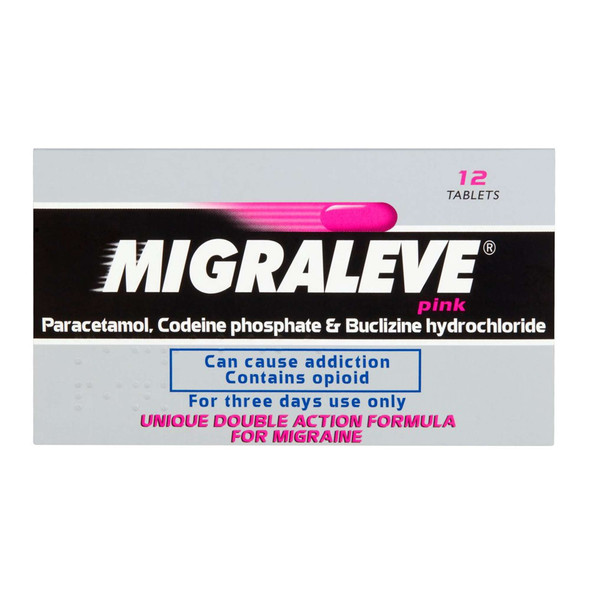
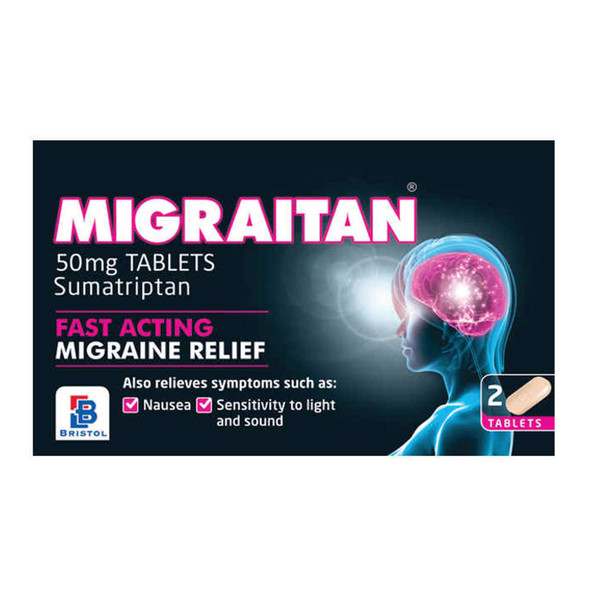
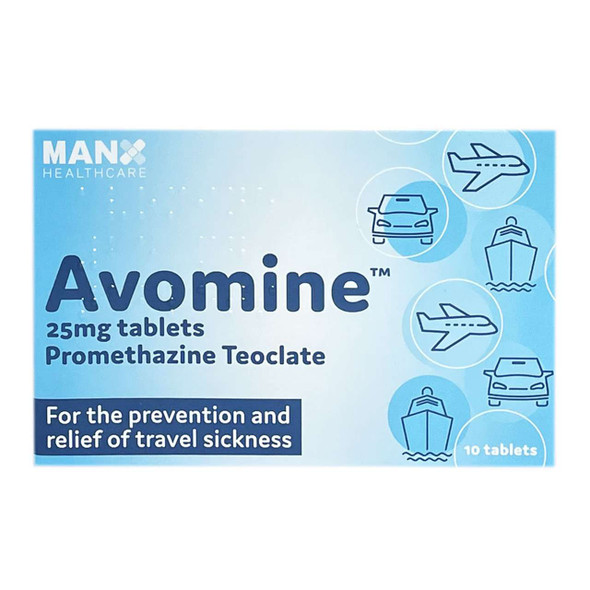
Vomiting (being sick) can happen for many reasons, including a stomach bug, food poisoning, motion sickness, migraine, pregnancy-related nausea, anxiety, alcohol, or as a side effect of some medicines. If you’re looking to buy vomiting treatments online, this category brings together pharmacy options that may help manage nausea and vomiting symptoms, with formats suited to home use and travel.
Browse common anti-sickness formats such as tablets, oral liquids, buccal tablets used for migraine-associated sickness, motion sickness patches, and drug-free acupressure wristbands. Always read the label and follow the patient information leaflet before use, especially if you take other medicines, have ongoing conditions, or you’re choosing a product for a child. If you’re unsure what’s suitable, speak to a pharmacist for personalised advice.
Shop by vomiting type
Popular types of vomiting products
- Anti-sickness tablets for nausea and vomiting, including travel-related symptoms (check suitability and warnings)
- Oral liquids where a liquid format is preferred (follow the directions on the pack)
- Buccal tablets for migraine-associated nausea and vomiting (dissolve slowly in the mouth as directed)
- Motion sickness patches for longer journeys where suitable (use as directed)
- Acupressure wristbands as a drug-free option that some people use for travel and general nausea
How to choose the right option
- Start with the likely trigger: travel/motion sickness, migraine, pregnancy-related nausea and stomach upset can need different approaches.
- Choose a format you can manage: if swallowing is difficult, a liquid, buccal option, or non-medicine support may be easier.
- Check age guidance: suitability and dosing differ by product and age group—follow the pack instructions exactly.
- Look out for drowsiness warnings: some anti-sickness medicines can cause sleepiness, which may affect driving and work.
- Review interactions and conditions: check the leaflet if you take other medicines or have long-term health conditions.
- Prioritise fluids: take small, frequent sips; consider oral rehydration salts if you’re losing fluids and can keep drinks down.
Quick links: common needs
FAQs
What are common causes of vomiting?
Vomiting can be linked to gastroenteritis (a stomach bug), food poisoning, motion sickness, migraine, pregnancy-related nausea, alcohol, anxiety, or side effects of some medicines. If symptoms are severe, unusual, or you’re worried, seek medical advice.
When should I seek urgent medical help?
Get urgent advice if there is blood in vomit, severe tummy pain, severe headache or stiff neck, chest pain, confusion, fainting, or signs of dehydration (very little or no urine, extreme thirst, dizziness). Seek prompt advice for babies and young children, older adults, and people with long-term conditions.
What can help with travel sickness vomiting?
People commonly use travel sickness tablets, motion sickness patches, or drug-free acupressure wristbands. The best choice depends on age, the type of journey, and whether you need to avoid drowsiness. Check the leaflet for when to take or use the product before travel.
Can vomiting be linked to migraine?
Yes. Some people experience nausea and vomiting with migraine. Buccal anti-sickness tablets are one option used for migraine-associated sickness. Follow the directions carefully and ask a pharmacist if you’re unsure what’s appropriate.
What can I drink if I’m vomiting?
Small, frequent sips of water can be easier to tolerate than large drinks. If you’re losing fluids and can keep drinks down, oral rehydration salts such as Dioralyte may help replace fluids and electrolytes when prepared exactly as directed.
Are anti-sickness products suitable for children?
Some products are suitable for children, but this depends on the child’s age and the specific medicine. Always follow age guidance and dosing instructions, and seek advice if symptoms are severe, persistent, or there are signs of dehydration.
What if I’m pregnant and being sick?
Nausea and vomiting can be common in pregnancy, but treatment choice needs extra care. Always check whether a product is suitable in pregnancy and speak to a pharmacist, midwife or GP if symptoms are persistent or affecting hydration and nutrition.
Safety notice: This page is for general guidance only and does not replace personalised medical advice. Always read the label and patient information leaflet before use. Speak to a pharmacist or GP if symptoms are severe, persistent, unusual, or if you are pregnant, breastfeeding, or choosing a product for a child.