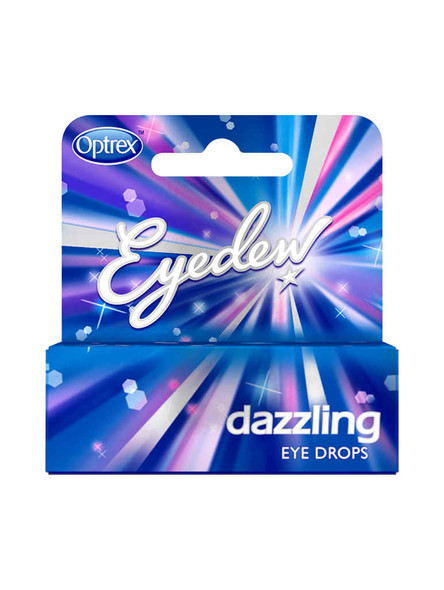
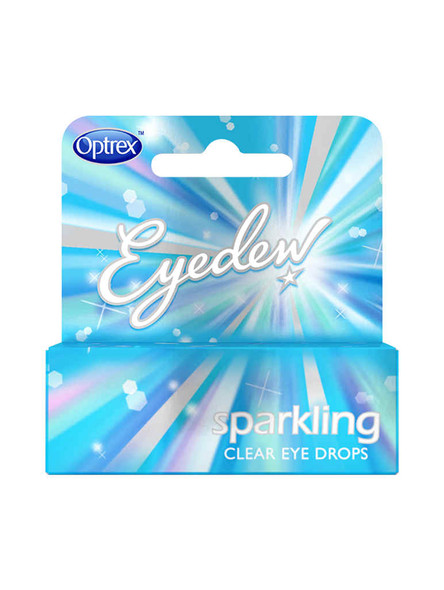
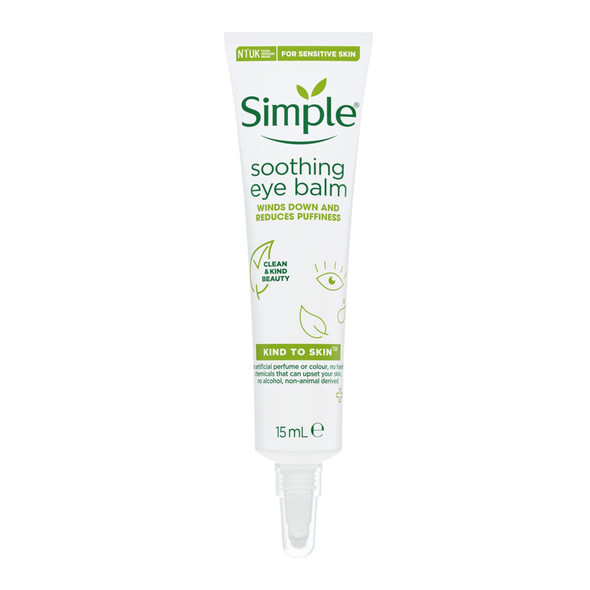
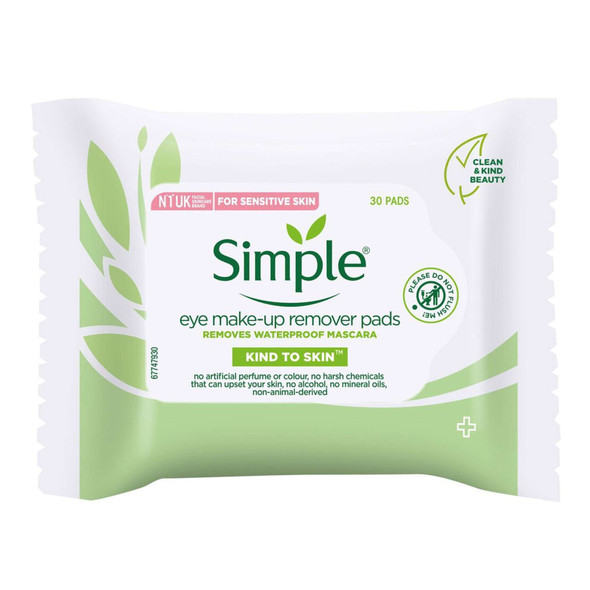
When it comes to eye care, most shoppers want two things: a gentle option for the delicate eye area and a format that fits their routine. WithAid’s Eyes selection brings together everyday eye-area skincare (for cleansing and contour care) alongside pharmacy-style formats many people recognise, such as eye drops, eye wash and eye spray. This mix makes it easier to compare practical options in one place and choose what feels appropriate for daily use.
Because the skin around the eyes is thinner and more sensitive, it’s worth checking suitability before you buy—especially if you wear contact lenses, have sensitive eyes, or are choosing items for a younger person. For drops, washes and sprays, follow the label/leaflet carefully and keep hygiene in mind: wash hands, avoid touching applicators to the eye, recap immediately, and follow any “use within” guidance after opening.
Shop by eye range
Popular types of eye products
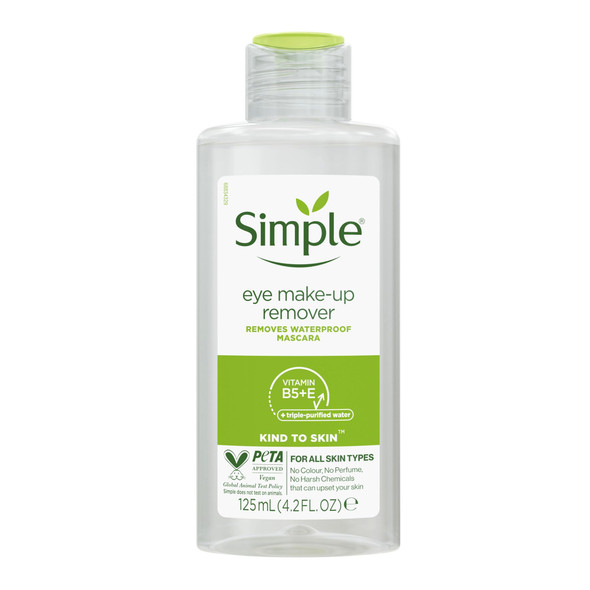
- Eye make-up removers (liquid and pad formats for gentle cleansing)
- Soothing eye balms for simple eye-area skincare routines
- Lash & brow conditioners/serums for routine care around the eye area
- Eye drops for targeted application (check age guidance and contact lens advice on the pack)
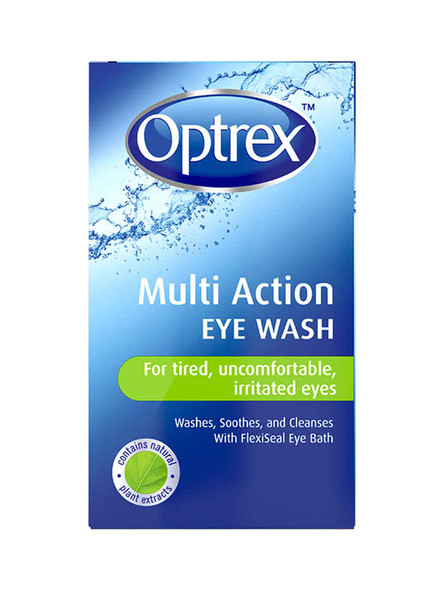
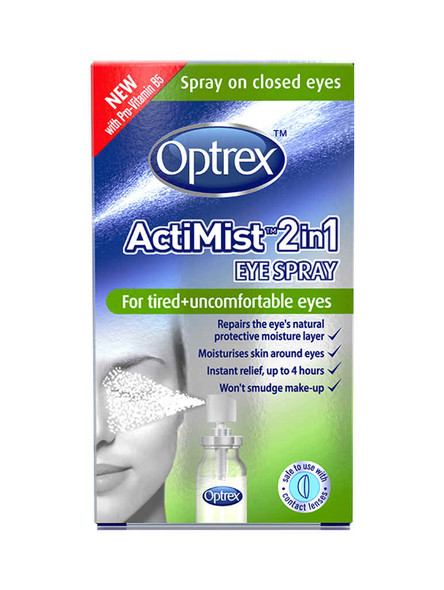
- Eye wash and eye sprays for rinsing or convenient use (follow label directions)
How to choose the right option
- Start with the job: make-up removal, eye-area skincare, or a pharmacy-style format such as drops.
- Check suitability notes: sensitive-eye guidance, contact lens advice, and any age restrictions.
- Pick the right format: drops for direct eye use, wash for rinsing/cleansing, spray for convenience, balm/remover for the eye contour.
- Use only as directed: read the label/leaflet and don’t exceed recommended use.
- Prioritise hygiene: wash hands, don’t share products, avoid touching applicator tips, and recap immediately.
- Know when to seek advice: significant pain, discharge, light sensitivity, injury/chemical exposure, or vision changes should be assessed promptly.
Quick links: common needs
FAQs
Is this category skincare, eye care, or both?
This Eyes category includes eye-area skincare (such as removers and contour care) and pharmacy-style eye formats like drops, wash and spray. Check each product page for intended use and directions.
What should I check if I wear contact lenses?
Only use products that state they’re suitable for contact lens wearers, or follow any instructions to remove lenses and wait before reinserting. If you’re unsure, ask a pharmacist or optometrist.
Allergy eye drops vs dry-eye drops: how do I choose?
Some eye drops are marketed for allergy/hayfever symptoms (such as itching and watering), while others focus on dryness and everyday irritation. Check the packaging for intended use and suitability, and ask a pharmacist if you’re not sure which option fits your symptoms.
What’s a gentle way to remove eye make-up?
Choose an eye make-up remover intended for the eye area, use a soft pad, and avoid rubbing. Stop using a product if it causes stinging or persistent redness.
How long can I use eye drops after opening?
Many eye drops have a “use within” period after opening to help reduce contamination risk. Follow the timeframe stated on the pack and discard any product that’s past it.
When should I seek medical advice for eye symptoms?
Seek urgent help for severe pain, sudden vision changes, significant light sensitivity, eye injury/chemical exposure, thick discharge, or rapidly worsening symptoms. If symptoms persist or keep returning, speak to a pharmacist, optometrist or GP.
Safety note: Always read the label/leaflet and use eye products exactly as directed. This content supports general shopping and information only and isn’t a substitute for professional assessment. If you’re concerned about an eye problem or symptoms are severe, sudden, or ongoing, seek advice from a pharmacist, optometrist, GP or NHS 111.