Hands and feet take a lot of daily wear. Frequent handwashing, cold weather, and long days on your feet can leave skin feeling dry, rough or uncomfortable. In the withaid Hands & Feet range, you can shop targeted products for common needs like dry hands, cracked heels, hard skin and calluses, and keeping feet feeling fresher in shoes. withaid is a UK based and regulated pharmacy, with delivery options shown at checkout and free delivery over £20 where available.
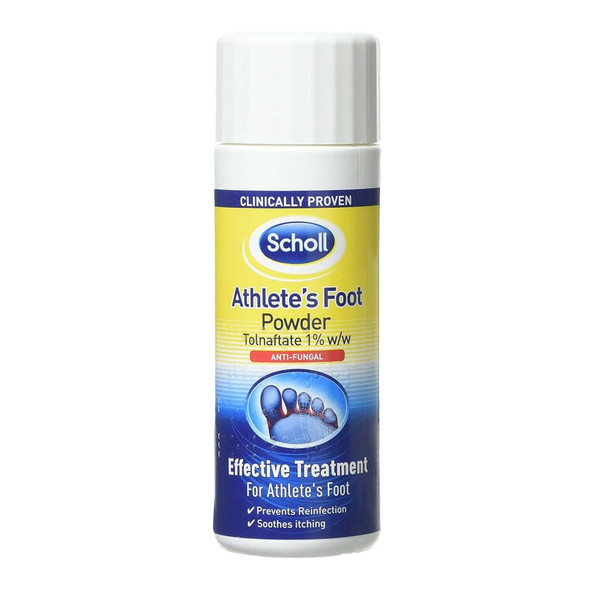
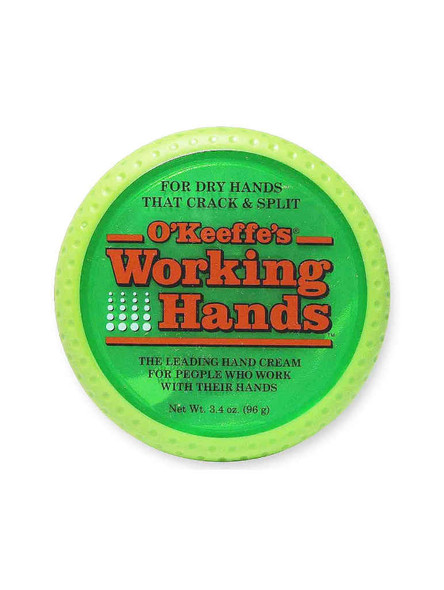
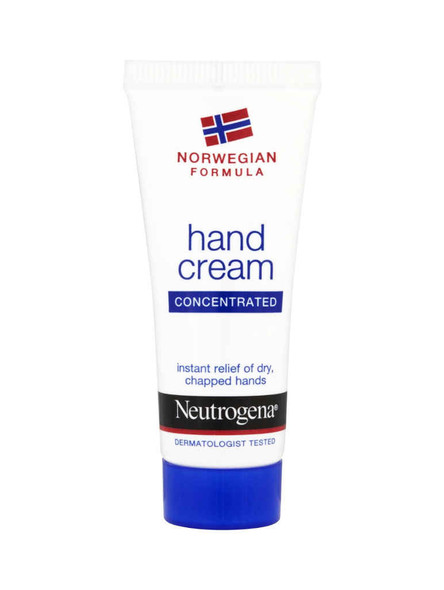
Choose from practical formats including hand creams and balms, intensive foot creams and heel balms, hard-skin care, foot baths and soaks, plus foot powders, deodorants and sprays to help manage sweat and odour. You’ll also see recognised brands such as CCS, Flexitol, Carnation, Scholl, Gehwol, Neutrogena, Odaban and O’Keeffe’s—ideal for building a simple routine you’ll stick with.
Shop by Hands & Feet type
- Hand creams for dry or frequently washed hands
- Hand balms for richer, intensive overnight care
- Foot creams for everyday moisturising
- Heel balms for very dry skin and cracked heels
- Hard-skin and callus care (scrubs, ointments and foot files)
- Foot baths and soaks to soften skin before moisturising
- Foot powders, deodorants and sprays to help manage sweat and odour
Popular types of hands and feet products
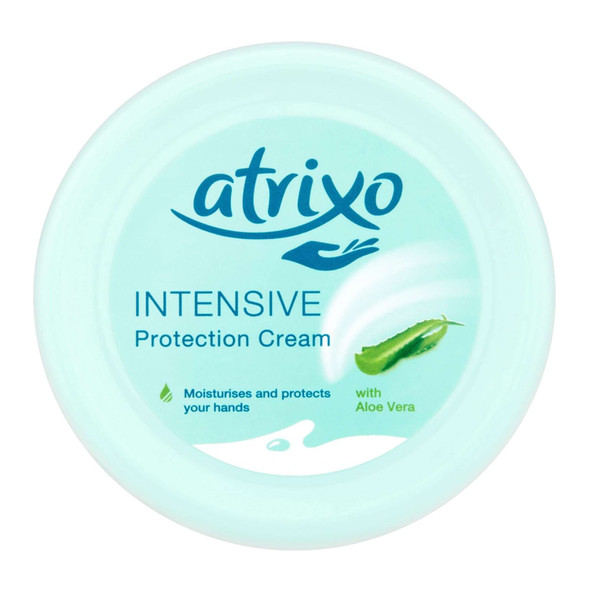
Hand creams & balms: Daily moisture for chapped, rough hands and frequent washing.
Foot creams & heel balms: Richer options for very dry feet and cracked heels, often best used regularly (especially after bathing and before bed).
Hard-skin & callus care: Ointments, scrubs and tools designed to smooth thickened areas on heels and soles—use gently and only on intact skin.
Freshness support: Powders and deodorising sprays can help reduce moisture and odour in socks and shoes.
How to choose the right option
- Match the product to the main concern: moisturise for dryness, add occasional gentle exfoliation for rough areas, and use powders or deodorising options for sweat and odour.
- Pick a texture you’ll use consistently: creams for everyday use, balms for intensive care, powders/sprays for shoes and socks.
- Be careful with hard-skin removal: avoid aggressive filing on sore, cracked, bleeding or inflamed skin.
- If symptoms suggest athlete’s foot: itching, peeling or soreness between toes may suit an appropriate pharmacy antifungal (cream, spray or powder). Follow pack directions, including how long to continue.
- Know when to ask for advice: if symptoms are severe, worsening, recurrent, involve nails, or you have diabetes, poor circulation or reduced sensation in your feet, speak to a pharmacist or GP before self-treating.
Quick links: common needs
FAQs
What’s a simple routine for dry hands?
Apply a hand cream after washing and before bed. If your hands are very dry, a thicker balm can be helpful overnight. Reapply as needed and follow any label guidance for sensitive or irritated skin.
How can I support cracked heels at home?
Many people use an intensive heel balm or foot cream regularly and add gentle hard-skin care if needed. Avoid aggressive scraping, particularly if the skin is sore, cracked or bleeding.
What helps with hard skin and calluses?
Look for products designed for hard skin or callus care and use them as directed. Often, gentle exfoliation plus consistent moisturising is more comfortable than harsh removal.
What should I use for sweaty or smelly feet?
Foot powders, deodorants and sprays can help reduce moisture and odour. Dry thoroughly between toes after washing, change socks daily, and rotate shoes to support freshness.
How do I choose an athlete’s foot treatment?
Choose a format you’ll use consistently (cream, spray or powder) and follow the pack directions, including how long to continue. If symptoms don’t improve, keep coming back, or involve nails, ask a pharmacist or GP for advice.
Can I use these products if I have diabetes?
If you have diabetes, poor circulation or reduced sensation in your feet, it’s safest to get advice before treating foot problems yourself. Avoid sharp tools or aggressive hard-skin removal, and seek help early for any breaks in the skin.
Important: This content is general information and does not replace medical advice. Always read and follow the product label and any patient information leaflet. If symptoms worsen, persist, or you’re unsure what you need, speak to a pharmacist, NHS service, or your GP.