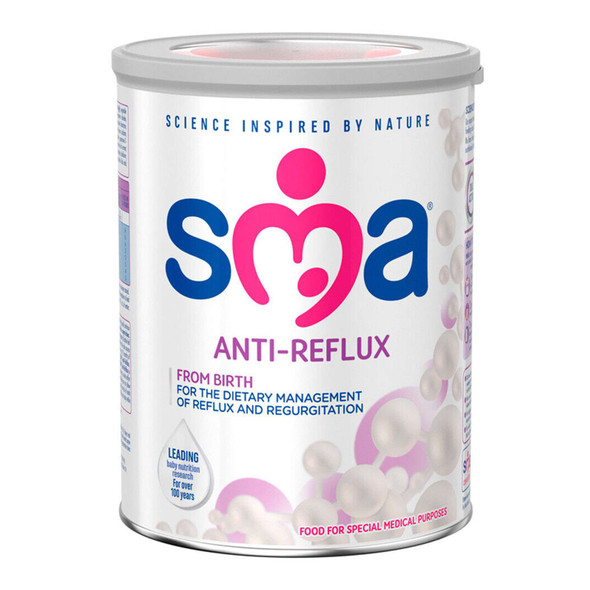
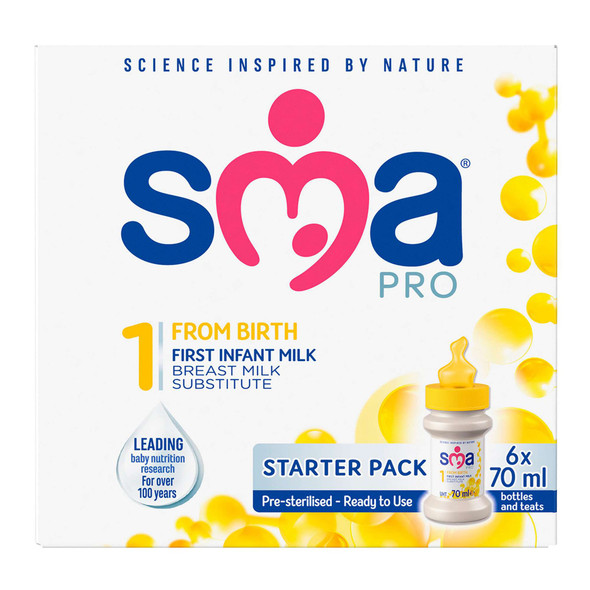
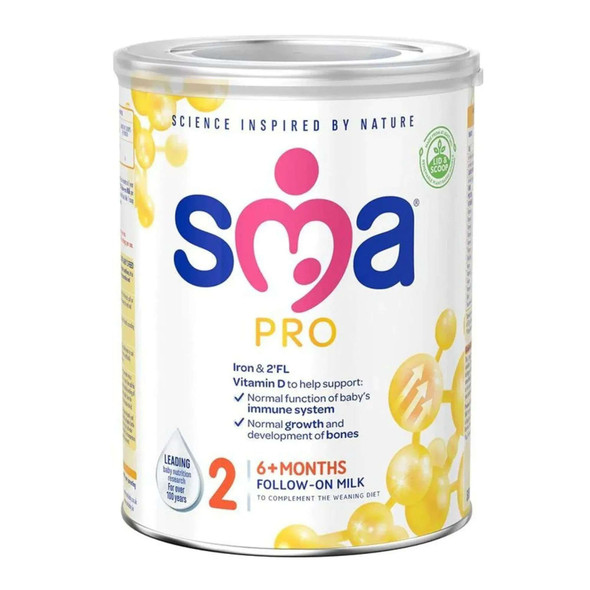
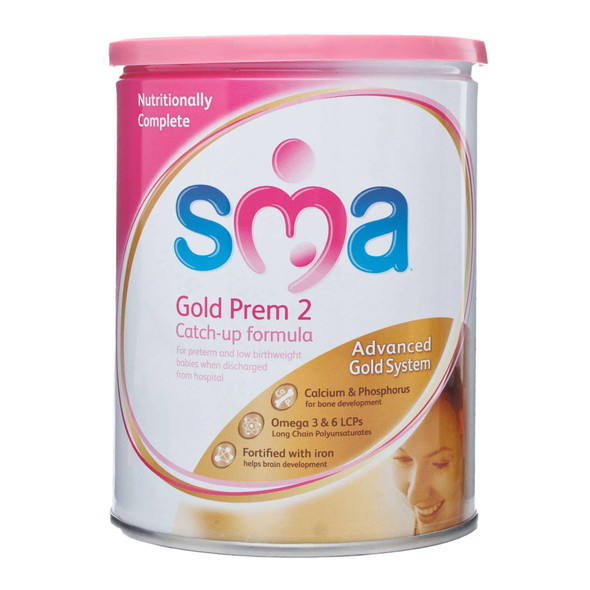
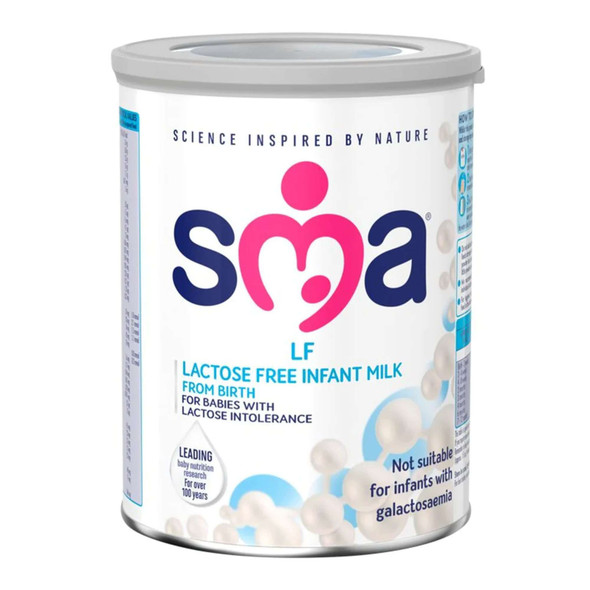
Shop SMA infant formula and baby milk by stage and format in one place. This brand page is designed for parents and carers who want to quickly find the right option—whether you’re buying SMA First Infant Milk from birth, moving on to SMA Follow On milk (6+ months), or selecting SMA Toddler Milk (1–3 years). You can also compare specialist formats such as anti-reflux infant milk, easy-to-digest formula, extra hungry, lactose-free infant milk, soya-based infant formula, and preterm catch-up milk. Choose from powder tubs, ready-to-feed 1L bottles, or a convenient starter pack for travel and nursery routines.
WithAID is a UK based and regulated pharmacy, offering fast, free delivery on orders over £20 and discreet Royal Mail packaging. Use the quick links below to shop by age stage first, then refine by format and feeding needs. If you’re uncertain about switching formula, reflux symptoms, intolerance, or specialist preterm feeding, the FAQs can help you plan your next step and explain when to seek advice.
Shop by SMA product type
Popular SMA products
Why choose SMA
- Clear stage options – shop by “from birth”, “6+ months”, and “1–3 years” to match your child’s age.
- Powder and ready-to-feed formats – compare tubs, 1L bottles, and a starter pack for flexibility.
- Specialist choices available – including anti-reflux, easy-to-digest, lactose-free, soya, and preterm catch-up options.
- Easy reordering – consistent product naming and pack sizes help you reorder the same item confidently.
- Trusted UK pharmacy supply – buy from a UK regulated online pharmacy with discreet delivery.
Quick links: brand needs
FAQs
Which SMA milk is right for my baby’s age?
Start by matching the age stage on the product name and label (for example, “from birth”, “6+ months”, or “1–3 years”). If you’re moving stages or you’re unsure, a pharmacist, midwife, health visitor, or GP can advise what’s appropriate for your baby.
What’s the difference between SMA powder, ready-to-feed bottles and starter packs?
Powder needs measuring and mixing with sterilised equipment. Ready-to-feed bottles are pre-prepared for convenience. Starter packs provide smaller ready-to-feed bottles for short-term use. Always follow the label instructions for safe preparation, feeding and storage.
How do I switch between formulas or stages?
Some babies transition smoothly, while others may need a gradual change. Follow the manufacturer guidance on the pack and consider speaking with a healthcare professional—especially if switching due to symptoms such as reflux, persistent tummy discomfort, or suspected intolerance.
When is anti-reflux formula used?
Anti-reflux formulas are designed for babies who bring back feeds and may need a thicker formula. If your baby has frequent vomiting, distress, poor feeding, or you’re concerned about weight gain, seek advice from a pharmacist or GP to rule out other causes.
When should I consider lactose-free or soya-based infant milk?
These options can be used for specific dietary needs, but they aren’t suitable for every situation. If you suspect intolerance or allergy, speak with a pharmacist, GP or health visitor before changing formula, particularly for young infants.
How do I prepare infant formula safely?
Follow the pack instructions exactly, including sterilisation, water temperature, measuring and discard times. If you’re unsure about safe preparation or storage, ask a pharmacist for practical guidance.
What are the red flags that need urgent medical advice?
Seek urgent advice if your baby is very sleepy, has breathing difficulty, signs of dehydration, blood in stools, persistent vomiting, fever, poor feeding, or poor weight gain—or if you’re worried at any point.
Important: Breastfeeding is recommended where possible. Infant formula and foods for special medical purposes should be used as directed on the label. This page provides general information and does not replace personalised advice—speak to a pharmacist, health visitor, midwife, or GP before changing formula, especially for reflux, suspected intolerance or allergy, or preterm feeding.