Anal itching (pruritus ani) is a common, uncomfortable symptom that can be linked to everyday irritation (wiping, moisture and sweating, fragranced products), digestive changes (diarrhoea or constipation), threadworms, haemorrhoids (piles) or sensitive skin. On this WithAid category page you can browse pharmacy products that may help soothe itching and soreness, support gentler cleansing and reduce friction. If you’d like to explore other symptom pages, you can browse the Health Condition A–Z hub.
To help you choose, start by matching the format to your main need: itching mainly after bowel movements (consider wipes plus a barrier ointment), soreness from frequent wiping (a gentle cream or protective ointment), a cooling feel (a gel), low-touch application (a spray), or symptoms that feel internal (suppositories). Always read the label and use medicines only as directed. WithAid is a UK based and regulated pharmacy, with fast delivery options (including free delivery over £20) and orders sent by Royal Mail in discreet packaging.
Shop by Anal Itching type
Popular types of anal itching products
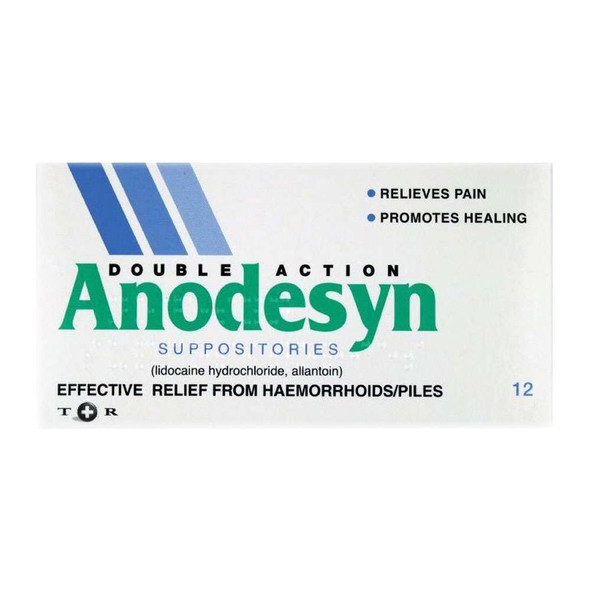
- Suppositories for symptoms that feel internal and targeted support
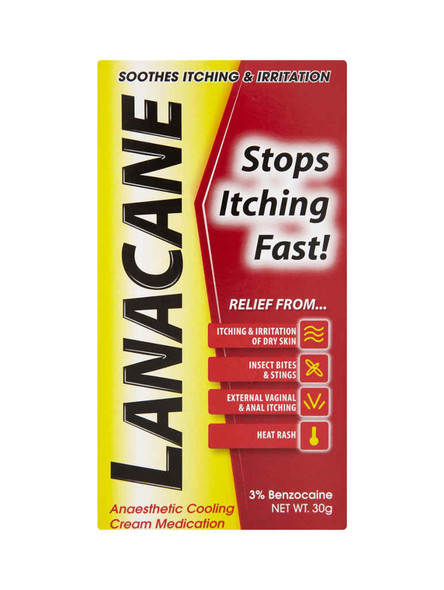
- Creams for soothing external itching and soreness
- Ointments to form a protective barrier and help reduce friction and chafing
- Cooling gels for a soothing, refreshing feel
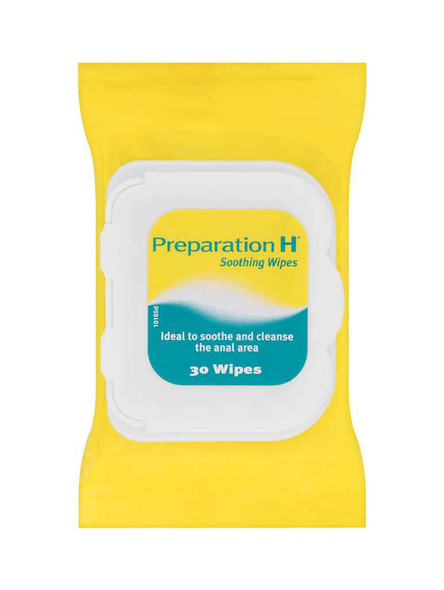
- Wipes and sprays for gentle cleansing and lower-mess application when the area is very sore
How to choose the right option
- External vs internal: creams, ointments and gels are typically used externally; consider suppositories if discomfort feels internal.
- Itching after bowel movements: gentle cleansing with wipes and patting dry can help reduce irritation; a barrier ointment may help protect sore skin from friction.
- Cooling vs barrier: gels can feel cooling and soothing; ointments can help protect and reduce chafing.
- Low-touch application: sprays can be easier to use if the area is too sore for rubbing.
- Check suitability: follow the label and patient information leaflet, and ask a pharmacist if you are pregnant or breastfeeding, buying for a child, have allergies, or take other medicines.
- Know when to get advice: if symptoms are persistent, recurring, or you notice new skin changes, seek clinical advice.
FAQs
What causes anal itching (pruritus ani)?
Anal itching can be triggered by irritation from wiping, moisture and sweating, fragranced products, diarrhoea or constipation, haemorrhoids (piles), threadworms, or sensitive skin. Sometimes it can be linked to skin conditions such as eczema or contact dermatitis. If you’re unsure of the cause or symptoms keep returning, speak to a pharmacist or GP.
Which format is best: cream, ointment, gel, wipes, spray or suppositories?
Creams are often chosen for everyday soothing of external irritation, ointments for a protective barrier (helpful if skin feels sore or chafed), and gels for a cooling feel. Wipes can support gentle cleansing after toileting, and sprays can be useful for low-touch application. Suppositories may be more appropriate if symptoms feel internal. Always follow the label.
What can I do at home to reduce irritation?
Keep cleansing gentle and avoid over-washing. Use lukewarm water or suitable wipes, pat dry rather than rub, avoid fragranced soaps, and wear breathable cotton underwear. Reducing moisture and friction can help alongside an appropriate product.
Could soaps or perfumed wipes be making it worse?
Yes. Fragrance, alcohol and deodorising ingredients can irritate sensitive skin. If symptoms began after a product change, stop using it and switch to gentle, non-perfumed options. If irritation persists, ask a pharmacist for advice.
How long should I try an over-the-counter option?
Follow the directions on the label and patient information leaflet. If you’re not improving after a few days, symptoms keep returning, or you feel you need to use treatments repeatedly, speak to a pharmacist or arrange a GP review to check for an underlying cause.
When should I contact a GP or NHS 111 urgently?
Seek urgent advice if you have heavy bleeding, severe pain, fever, pus or discharge, a new or worsening lump, unexplained weight loss, or a persistent change in bowel habit. If symptoms are severe, unusual, persistent or not improving with self-care, get medical advice.
Important: This page provides general guidance and product options for symptom support and is not a diagnosis. Always read the label and patient information leaflet and use medicines only as directed. If you are pregnant or breastfeeding, treating a child, have other health conditions, or symptoms are severe, persistent or recurrent, ask a pharmacist or GP for personalised advice.