Breast pain (mastalgia) is common and can affect one or both breasts. Causes include hormonal changes (often before a period), pregnancy or breastfeeding, chest wall muscle strain, an ill-fitting bra, or certain medicines such as contraception or HRT. This category offers safe, everyday pain relief options with clear guidance on formats and ingredients, so you can choose what’s right for your needs.
withaid is a UK regulated pharmacy, delivering in discreet Royal Mail packaging with fast, free delivery on orders over £20. If you are unsure which product is suitable—especially if pregnant, breastfeeding, taking regular medicines, or if symptoms persist—speak to a pharmacist for personalised advice.
Shop by Breast Pain type
Popular types of Breast Pain products
- Paracetamol tablets/capsules: for mild to moderate pain, taken as directed.
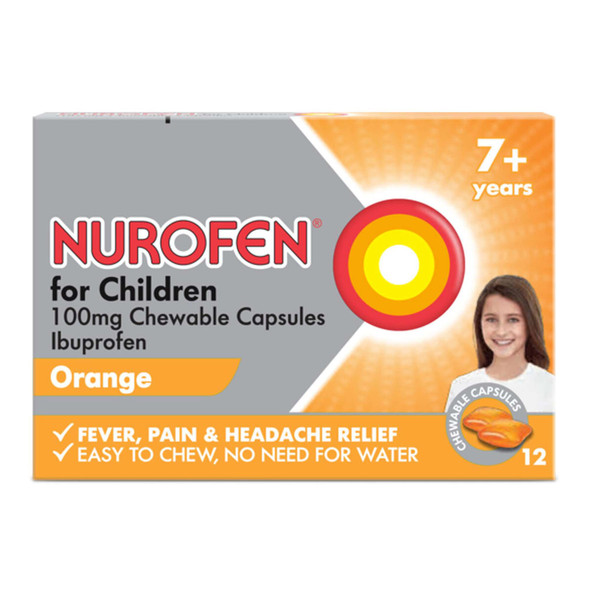
- Ibuprofen tablets/capsules: anti-inflammatory option; check suitability and interactions.
- Soluble/effervescent tablets: dissolve in water for easy ingestion.
- Meltlets/orodispersible tablets: dissolve on the tongue for convenience.
- Combination products/sachets: may include paracetamol plus other ingredients—always check labels and avoid duplicates.
How to choose the right option
- Start with suitability: paracetamol for mild/moderate pain; ibuprofen may help some people if safe.
- Check for duplicates: avoid multiple products with the same active ingredient.
- Consider health conditions: NSAIDs may not suit stomach, kidney, asthma, heart, or blood pressure issues, or if taking certain prescriptions.
- Pregnancy and breastfeeding: always check labels and speak to a pharmacist if unsure.
- Pick a format you’ll use correctly: tablets, soluble options, meltlets, or topical products.
- Follow dosing guidance: lowest effective dose for shortest time, observe maximum daily limits.
Quick links: common needs
FAQs
What causes breast pain (mastalgia)?
Hormonal changes, pregnancy, breastfeeding, muscle strain, ill-fitting bras, or medicines like contraception or HRT can cause breast pain. Seek advice if pain is new, persistent, or worrying.
What self-care can help alongside pain relief?
Wear a supportive bra, reduce friction during exercise, and track symptoms against your cycle. Noting triggers such as new medicines or activities helps when speaking to a pharmacist or GP.
Which over-the-counter pain relief is commonly used?
Paracetamol is commonly used for mild to moderate pain. Ibuprofen may suit some people. Always read labels, follow dosing instructions, and check interactions.
Do I need combination cold/flu sachets for breast pain?
Not usually. These may include paracetamol plus other ingredients for cold/flu symptoms. If breast tenderness is the main issue, extra ingredients are often unnecessary—check labels and avoid duplicate paracetamol.
Can I take pain relief if I’m pregnant or breastfeeding?
Not all pain relief is suitable. Check product information and speak to a pharmacist before using anti-inflammatory or combination products.
What are the red flags that need urgent advice?
Seek medical advice if you notice a new lump, skin dimpling, redness/heat, swelling, nipple discharge, nipple changes, fever, or feel unwell. Contact your GP or NHS 111 if concerned.
How long should I try self-care before getting checked?
If symptoms persist, return, or require frequent pain relief, speak to a pharmacist or GP for assessment and next steps.
Important: This page provides general information and is not a substitute for medical advice. Always read labels and leaflets before use. If pregnant, breastfeeding, have long-term conditions, take regular medicines, or symptoms persist or worsen, speak to a pharmacist or GP.