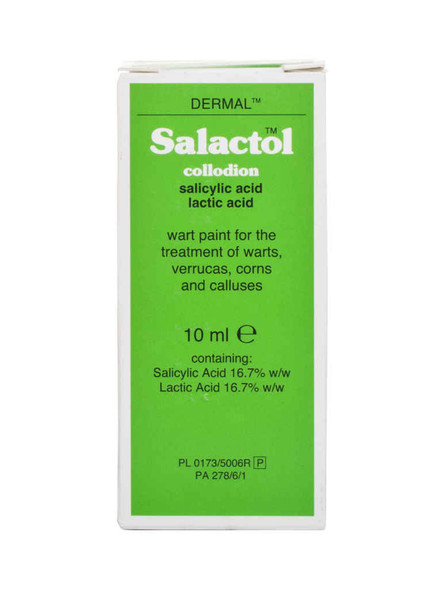
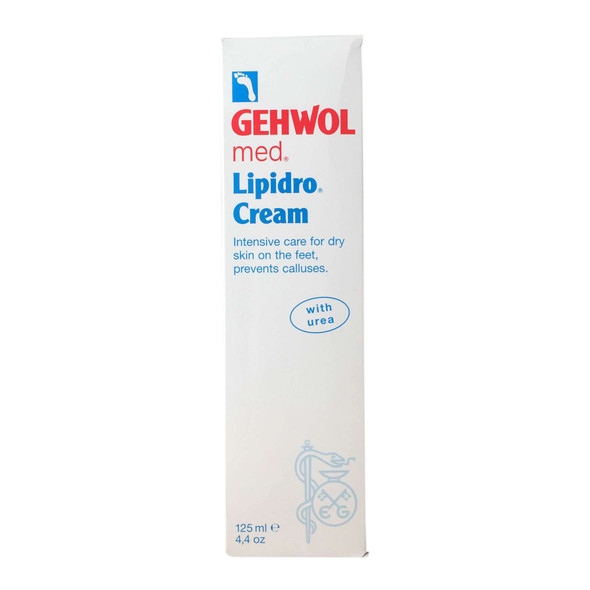
Shop pharmacy-ready callus treatment for feet and hands, with options designed to help manage thickened, hardened skin caused by repeated friction and pressure. Many people land here looking for support with a callus on heels, the ball of the foot, or sore patches from shoes—especially when hard skin starts to feel uncomfortable during everyday walking. This category includes popular UK formats such as intensive callus creams and richer balms for regular moisturising, hard skin remover liquids or gels for targeted areas, and callus plasters to cushion pressure points in footwear.
For most people, a simple routine helps: soften the area, maintain it gently, then reduce rubbing so it’s less likely to return. Choose a format you’ll use consistently (daily moisturiser, targeted treatment, or protective padding), follow the product directions carefully, and avoid treating broken or irritated skin. If you have diabetes, poor circulation, or reduced sensation in your feet, get professional advice before self-treating.
Shop by Callus type
Popular types of callus products
- Callus creams for daily moisturising to soften dry, rough skin
- Hard skin & callus balms for richer, intensive care (often used at night)
- Hard skin remover liquids for targeted application to stubborn patches (use as directed)
- Callus gels and paints for precise spot treatment (use as directed)
- Callus plasters to cushion pressure points and reduce rubbing in shoes
How to choose the right option
- Match the need: moisturise for general roughness, cushion if shoes rub, or choose a targeted treatment for thicker patches.
- Use a simple routine: soak (optional) → dry well → gently file/pumice → moisturise → protect with padding if needed.
- Choose what you’ll stick with: creams for daily use, balms for intensive care, plasters for on-the-go comfort, liquids/gels for small areas.
- Follow directions closely: some treatments contain active ingredients and should be applied only to affected skin.
- Avoid broken or inflamed skin: don’t use hard-skin treatments on cracks, bleeding, weeping, or infected-looking areas.
- Reduce recurrence: check shoe fit, consider cushioning/insoles, and moisturise regularly to keep skin supple.
Quick links: common needs
FAQs
What causes calluses on feet?
Calluses usually develop when skin thickens to protect itself from repeated rubbing or pressure—often from tight or ill-fitting shoes, standing for long periods, high-impact activity, or pressure points on the heel or ball of the foot.
What’s the difference between a callus and a corn?
A callus is typically a broader area of thickened skin. Corns are often smaller and more localised and can feel more tender due to a concentrated pressure point. If you’re unsure which you have, a pharmacist can advise on suitable options.
Do callus creams and balms help?
Moisturising creams and balms can help soften dry, hardened skin when used consistently. They’re often a good first step for ongoing maintenance, especially alongside reducing friction from footwear.
How should I use a foot file or pumice stone safely?
Use gentle pressure on softened skin and remove small amounts at a time—avoid aggressive scraping. Stop if the skin becomes sore, and don’t use tools on broken, bleeding, or infected-looking skin.
Are hard skin remover liquids, gels or paints safe to use?
They can be suitable for some people when used exactly as directed. Apply only to the affected area, avoid healthy surrounding skin if advised, and stop use if you develop significant irritation, burning, or pain.
How can I stop calluses coming back?
Focus on the cause: wear well-fitting shoes, use cushioning or insoles to reduce pressure points, keep skin moisturised, and maintain hard skin gently rather than removing too much at once.
When should I speak to a pharmacist or GP?
Get advice if the callus is very painful, cracked and bleeding, hot, swollen, oozing, or if you suspect infection (spreading redness or discharge). Seek prompt advice before self-treating if you have diabetes, poor circulation, nerve problems, or reduced sensation in your feet.
Important: This content is general information and does not replace personalised medical advice. Always read and follow the product label and any patient information leaflet. If you are pregnant, breastfeeding, taking medicines, or have an underlying condition (including diabetes), ask a pharmacist, podiatrist or GP before using callus or hard-skin treatments.