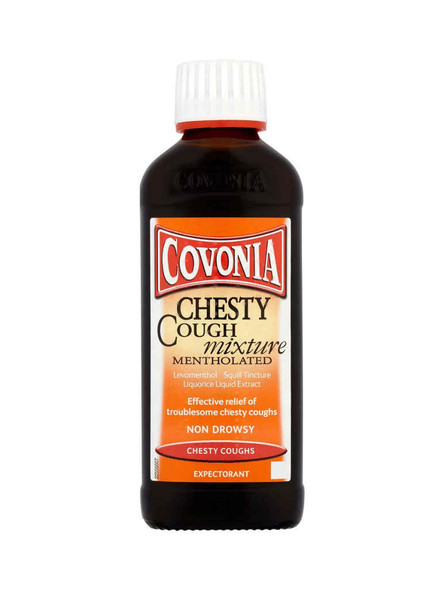
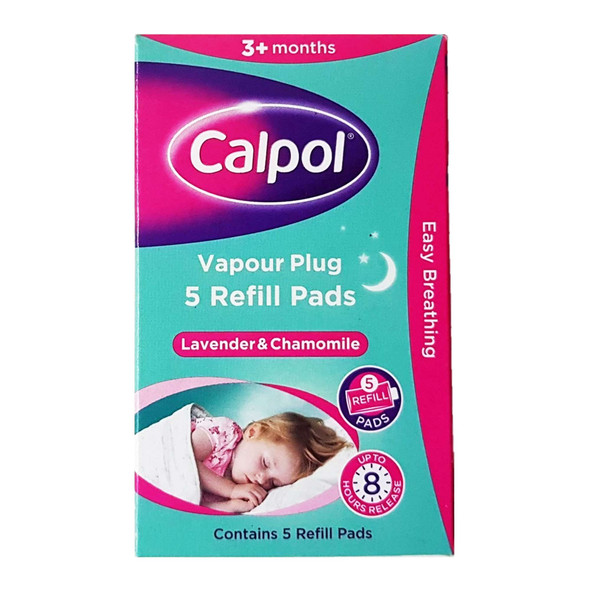
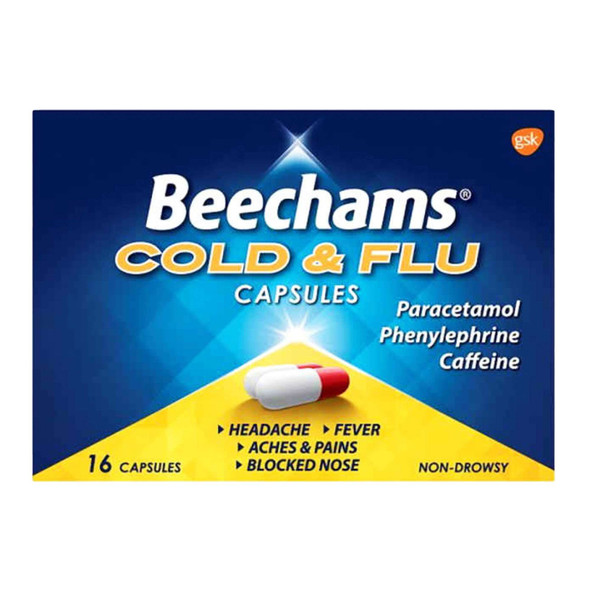
Looking for catarrh relief? Catarrh is a build-up of mucus in the nose, sinuses or throat that can leave you feeling blocked up, snuffly, or bothered by post-nasal drip (“mucus in the throat”). On this page you’ll find a range of OTC catarrh medicines and supportive formats commonly chosen for nasal congestion, sinus pressure, throat irritation and cough symptoms that can come with excess mucus.
Because catarrh can be linked to colds, allergies or irritants, the best option depends on your main symptom and what’s safe for you. Compare formats such as nasal sprays, tablets/capsules, liquids, lozenges and vapour products, and always check the label for age guidance, interactions and ingredient overlap (especially with multi-symptom cold & flu remedies). If you’re unsure what to choose with long-term conditions, pregnancy/breastfeeding, or regular medicines, a pharmacist can help you select a suitable option.
Shop by Catarrh type
Popular types of catarrh products
- Nasal sprays: decongestant sprays for short-term blockage, plus saline/steroid nasal sprays for ongoing nasal symptom support where suitable.
- Tablets and capsules: oral options often chosen for congestion or sinus pressure (check suitability and interactions).
- Liquids and syrups: formats sometimes selected when catarrh comes with a cough (follow dosing directions).
- Hot drink sachets: multi-symptom cold & flu comfort (watch for overlapping ingredients, including pain relief).
- Lozenges and pastilles: on-the-go throat comfort when post-nasal drip irritates the throat.
How to choose the right option
- Start with your main symptom: blocked nose, sinus pressure, post-nasal drip, sore throat irritation, or cough.
- Check ingredient overlap: avoid taking multiple products with the same active ingredient (common with cold & flu combinations).
- Consider the likely trigger: if symptoms are seasonal or allergy-linked, antihistamines or an appropriate nasal spray may be more suitable than decongestants alone.
- Use decongestant sprays safely: follow the maximum duration on the label to reduce the risk of rebound congestion.
- Review suitability: check age limits and pregnancy/breastfeeding advice, and take extra care with long-term conditions (for example high blood pressure) or regular medicines.
- Pick a format you can use correctly: sprays for targeted nasal relief, tablets for convenience, or lozenges/liquids for throat and cough comfort.
Quick links: common needs
FAQs
What is catarrh?
Catarrh is a build-up of mucus in the nose, sinuses or throat. It can happen with colds, allergies (including hay fever) or irritation, and may feel like a blocked nose, post-nasal drip, or “mucus in the throat”.
How long does catarrh usually last?
Catarrh often improves as the underlying cause settles (for example, a cold). If symptoms last more than a few weeks, keep returning, or are getting worse, speak to a pharmacist or contact your GP.
What’s the difference between catarrh and sinusitis?
Catarrh describes mucus build-up and congestion. Sinusitis involves inflammation of the sinuses and may include facial pressure/pain, blocked nose and discoloured mucus. If symptoms are severe or not improving, seek medical advice.
Can I use a decongestant nasal spray for a blocked nose?
Decongestant sprays can be suitable for short-term blockage relief for some people, but they must be used exactly as directed and not for longer than the label recommends, as overuse can worsen congestion. Ask a pharmacist if you’re unsure.
Can I take decongestants if I have high blood pressure or heart problems?
Some decongestants may not be suitable for people with certain cardiovascular conditions, including high blood pressure, or for those taking specific medicines. Check the label carefully and speak to a pharmacist or GP before using if you have concerns.
What if I’m pregnant or breastfeeding?
Not all cold, flu and decongestant products are suitable during pregnancy or breastfeeding. Always check the label and seek advice from a pharmacist or GP so you can choose an appropriate option.
When should I speak to a GP or seek urgent help?
Get medical advice if symptoms are severe, worsening, unusual or persistent, or if you have significant facial pain/swelling, breathlessness, chest pain, coughing up blood, or a high fever that doesn’t settle. For urgent concerns, contact NHS 111; in an emergency call 999.
Important: This content is for general guidance and does not replace medical advice, diagnosis or treatment. Always read the label and patient information leaflet and use medicines as directed. If you are pregnant or breastfeeding, buying for a child, have a long-term condition, or take regular medicines, speak to a pharmacist or GP before choosing a catarrh remedy.