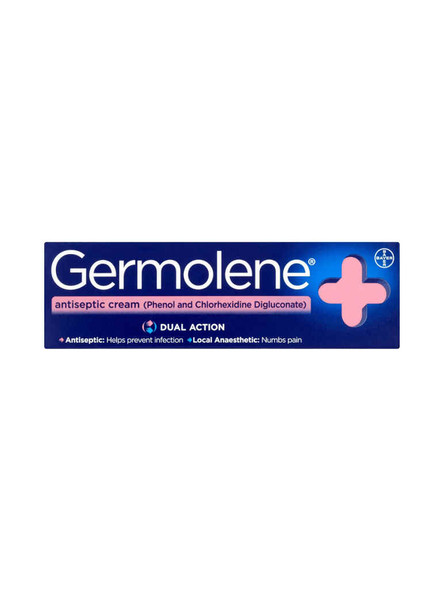
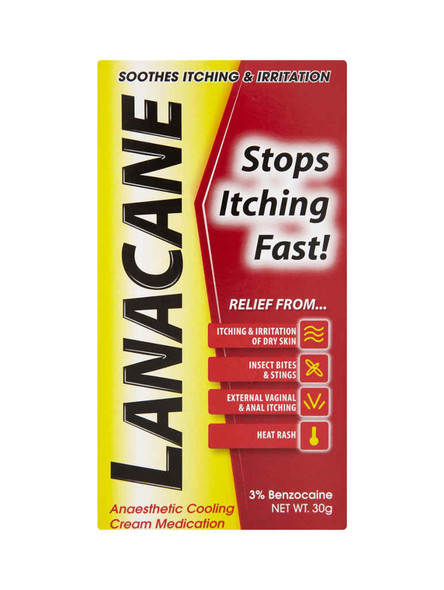
Stock up on cut and graze care essentials from withaid, a UK based and regulated pharmacy. This category is designed for common “need it now” searches—choosing an antiseptic cream for cuts, an antiseptic liquid/solution for cleansing (used as directed), or a gentle wound care cream or healing gel for everyday first aid. Whether you’re treating a minor kitchen nick or topping up your household kit before travel and sport, you can compare options by format, pack size, and how you prefer to apply.
Browse popular formats including antiseptic and antibacterial creams, wound care creams, antiseptic solutions/liquids (some may require dilution—always check the label), advanced healing gels, and specialist wound-care options such as medical-grade honey products. If you’re buying for a child, have sensitive skin, are pregnant or breastfeeding, or take regular medicines, use the product directions and warnings to choose the most suitable option, and ask a pharmacist if you’re unsure.
Shop by cuts type
Popular types of products
- Antiseptic creams for minor cuts, grazes and scrapes
- Wound care creams for gentle, everyday application
- Antiseptic solution / antiseptic liquid formats for cleansing when used as directed
- Advanced healing gels designed to cover and support moist wound care
- Medical-grade honey wound care for specialist first-aid use
How to choose the right option
- Start with the job: cleanse, protect, cover, or soothe—choose a product intended for that purpose.
- Choose a format you’ll use correctly: creams for targeted application; liquids/solutions for cleansing; gels for wound coverage.
- Follow directions exactly: some antiseptic liquids may need dilution or specific use instructions—check the label/leaflet.
- Check suitability: look for age guidance, allergy warnings, and pregnancy/breastfeeding advice where relevant.
- Match the area: hands and joints may need re-application and extra protection; delicate areas may suit gentler options.
- Know when to get help: deep wounds, heavy bleeding, bites, signs of infection, or slow healing should be checked by a pharmacist, GP or NHS 111.
Quick links: common needs
FAQs
What should I do first for a minor cut or graze?
Rinse the area gently with clean water, remove visible debris if you can do so safely, and pat dry. Cover with a clean dressing and change it regularly. If you’re unsure what to use, ask a pharmacist.
Is it better to use an antiseptic cream or an antiseptic liquid/solution?
It depends on the product and your needs. Creams are often chosen for targeted application, while liquids/solutions can be used for cleansing when used exactly as directed. Always follow the label or leaflet.
Do antiseptic liquids need diluting?
Some antiseptic liquids require dilution or have different directions depending on intended use. Check the product label carefully and ask a pharmacist if you’re unsure before using on skin.
What’s the difference between a wound care cream and a healing gel?
Wound care creams are typically applied to the skin as directed, while healing gels are often designed to cover the wound and help maintain a moist environment. Choose based on label guidance, the area, and how you prefer to apply.
What should I avoid putting on a cut?
Avoid using products that are not intended for broken skin or not labelled for that purpose. If something stings badly, causes irritation, or you’re unsure, stop and ask a pharmacist for guidance.
How can I tell if a cut might be infected?
Signs can include increasing redness, warmth, swelling, worsening pain, pus, red streaks, or feeling unwell. Seek medical advice promptly if you’re concerned.
When should I seek medical help instead of self-treating?
Get advice if bleeding won’t stop, the wound is deep, caused by a bite, you can’t clean it properly, you have diabetes or poor circulation, or it isn’t improving as expected.
Safety information: This page provides general guidance only and does not replace medical advice. Always read the label or leaflet and use products as directed. For deep wounds, heavy bleeding, suspected infection, bites, or symptoms that are severe or persistent, speak to a pharmacist or contact your GP/NHS 111.